Why did we stop in Plasencia? It was half past noon, way past monsoon, en route between Merida and Avila in Spains Cáceres region. We needed food, and to avoid hangryness, we took a chance at Plasencia.
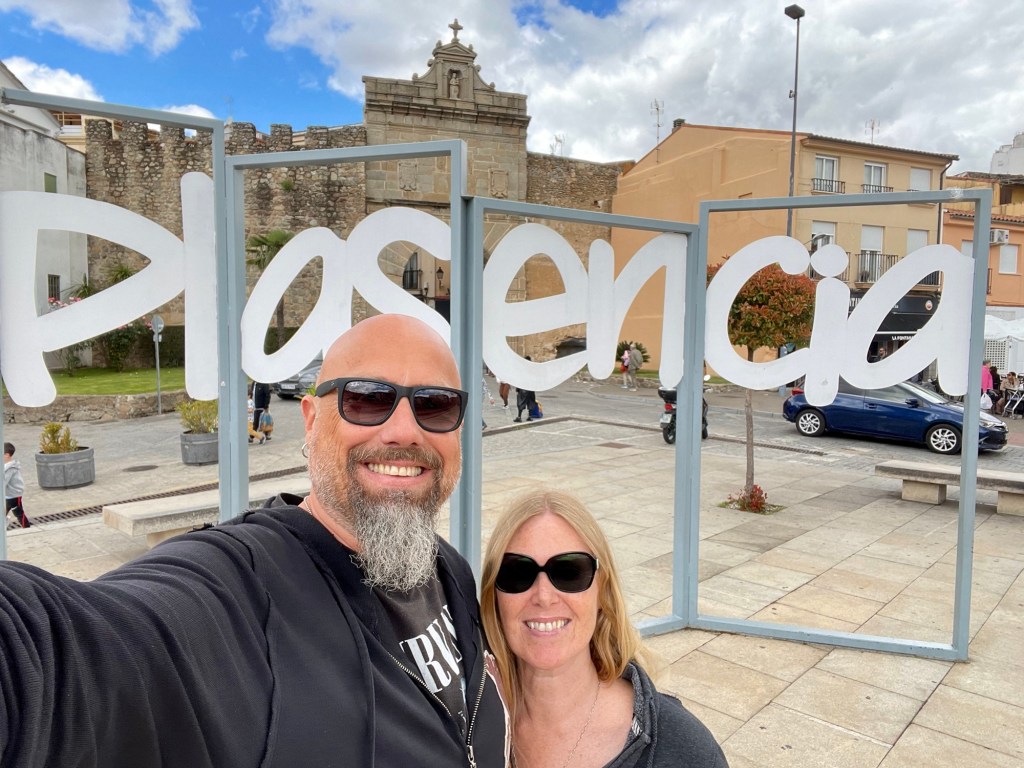
We did not know anything about the city. From the parking there was an elevator and some escalators that brought us up to the very cool gate of an old city wall.
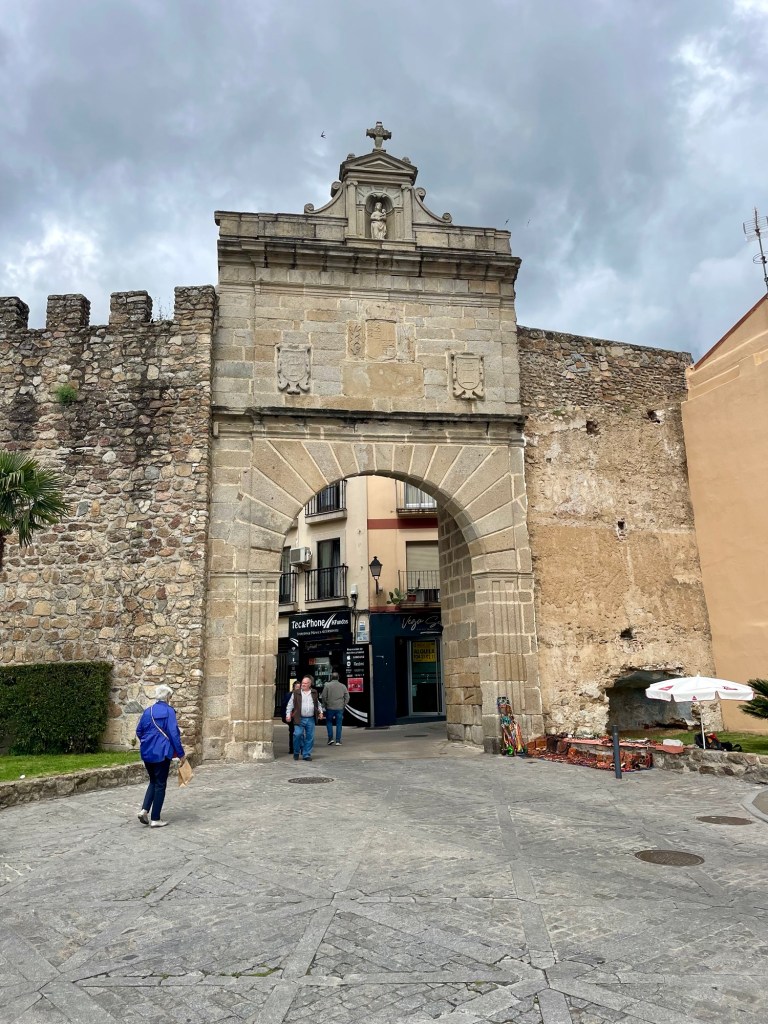
We found out that this was an important city, situated on the banks of the Jerte River and is known for its rich history, well-preserved medieval architecture, and its strategic location along the old Roman “Silver Route” (Vía de la Plata).
Plasencia was founded in 1186 by King Alfonso VIII of Castile as a military stronghold to defend against the Moors and to help consolidate Christian control in the region during the Reconquista. Its motto, “Ut placeat Deo et hominibus” (So that it pleases both God and men), reflects its religious and strategic importance.

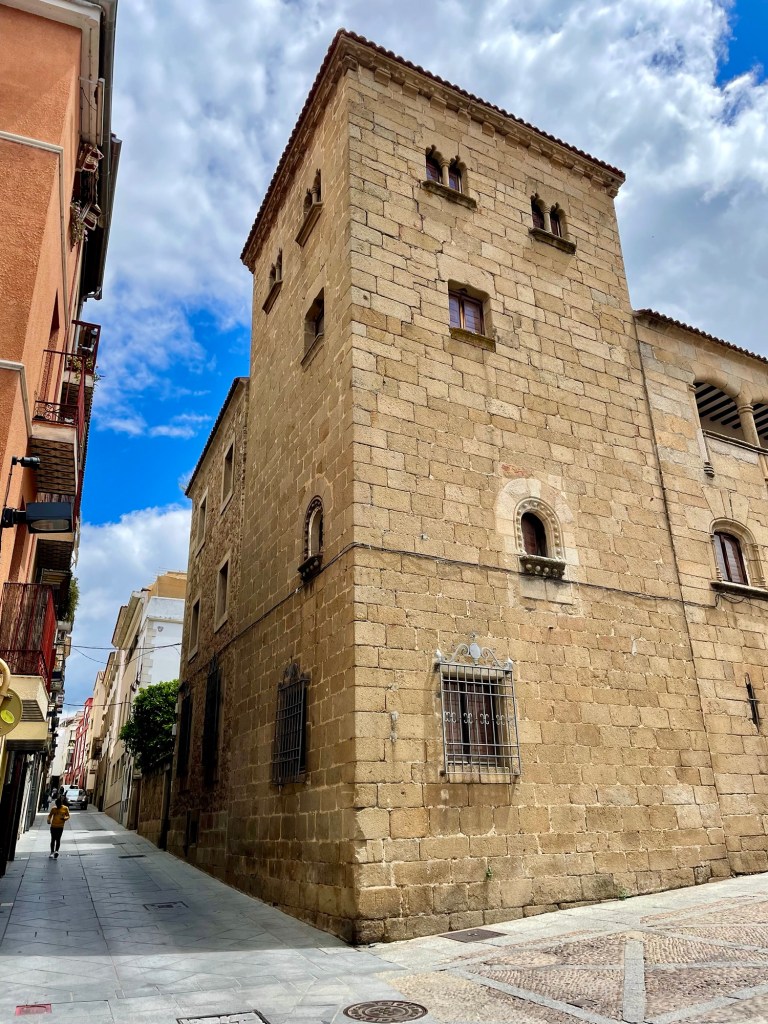
Throughout the centuries, Plasencia played a crucial role in various conflicts and was an important stop for trade and travelers on the Vía de la Plata. The city’s wealth and influence grew, especially during the Middle Ages and the Renaissance.
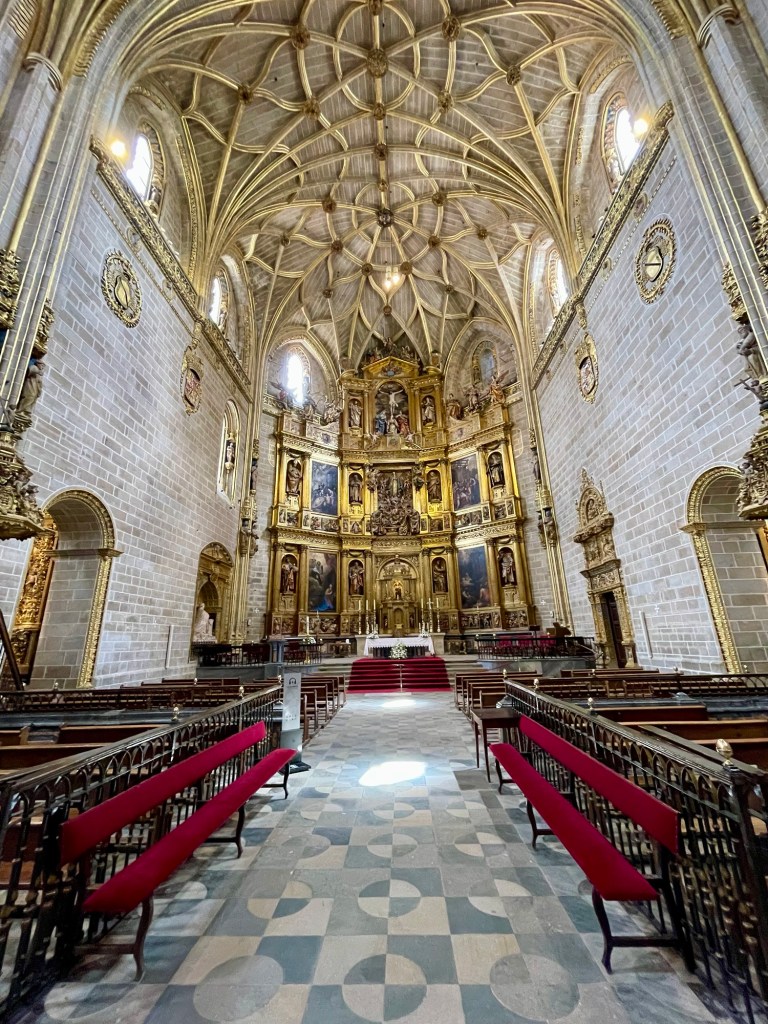
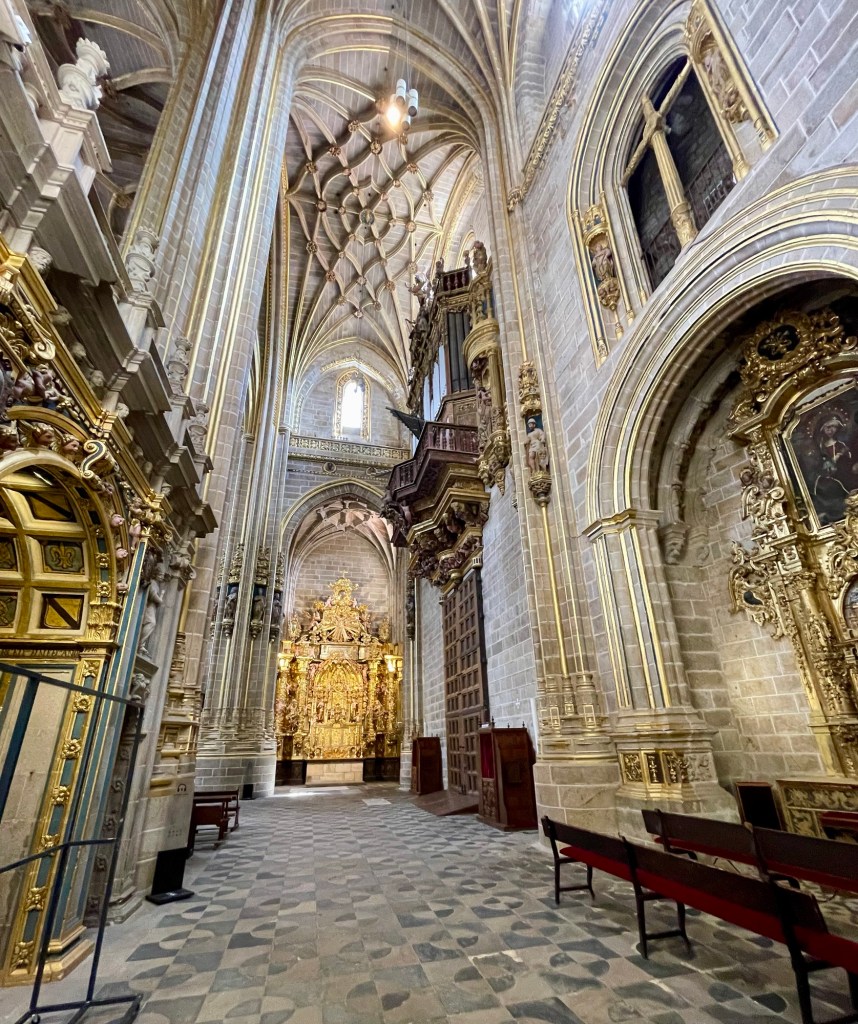
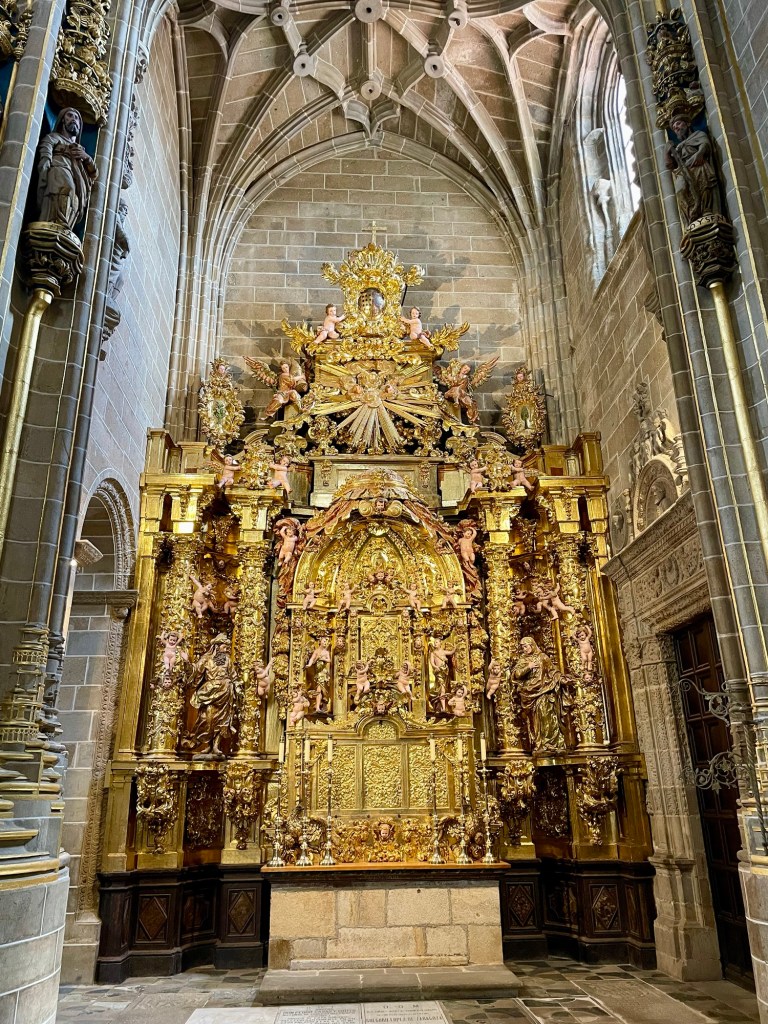
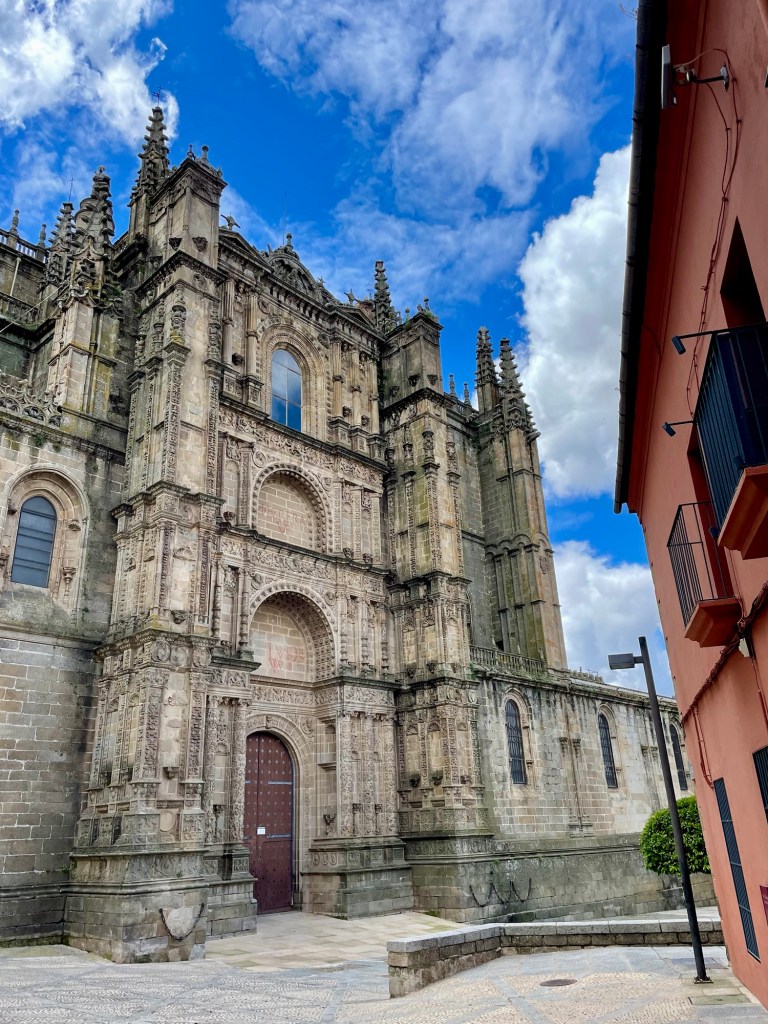
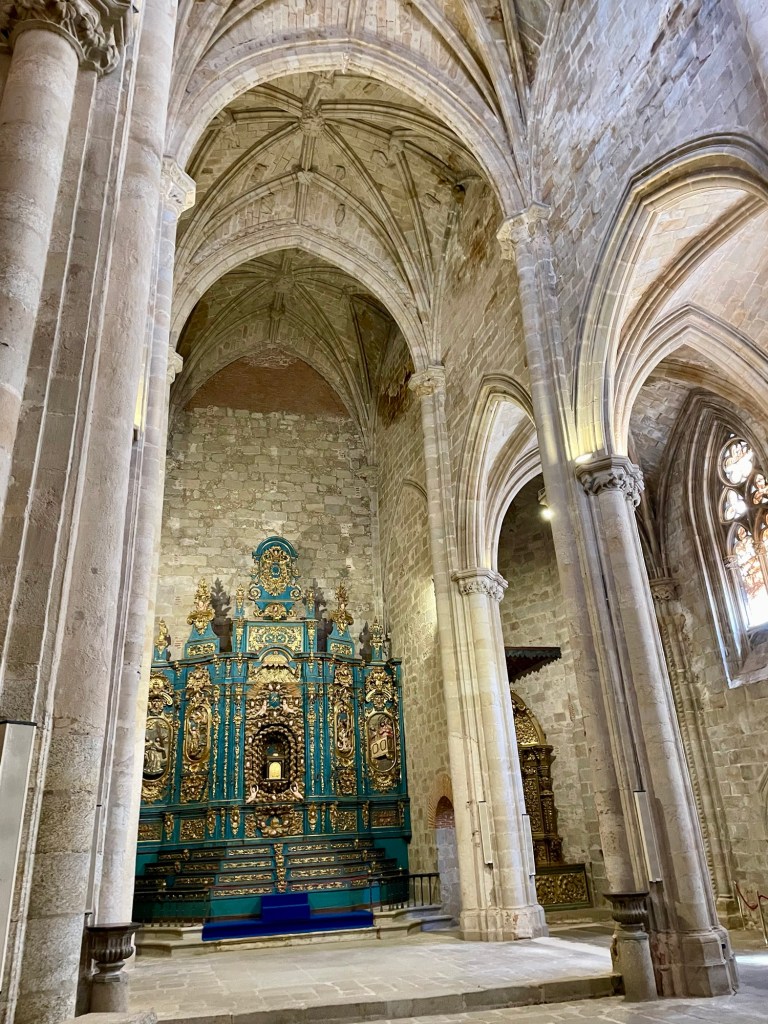
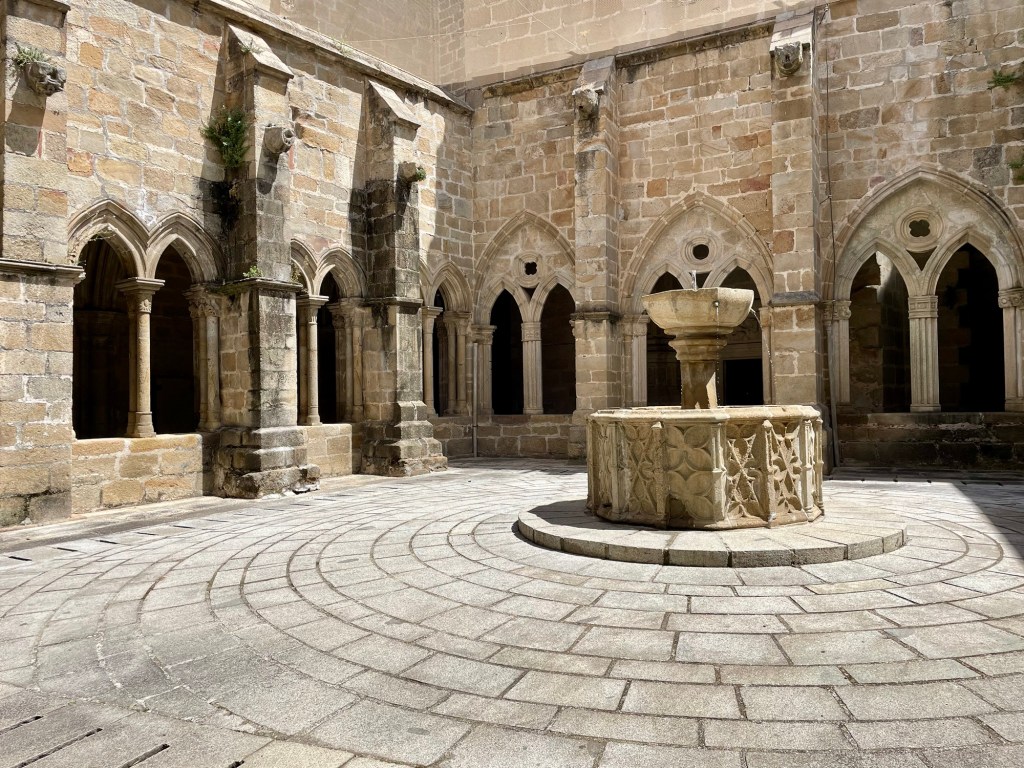
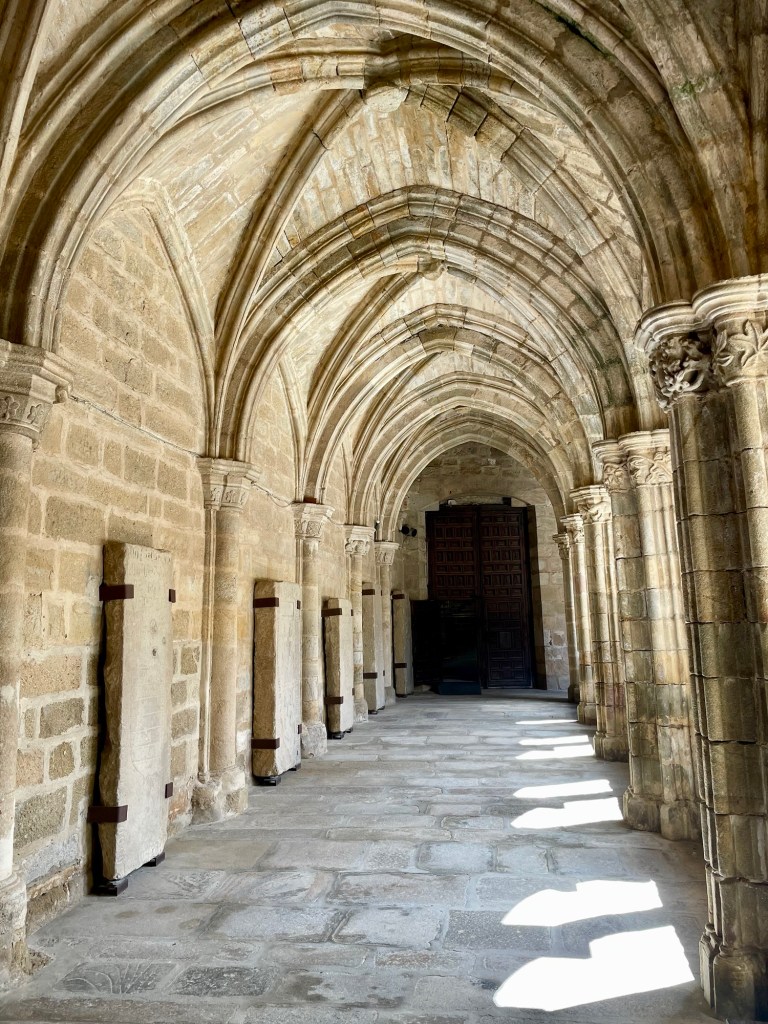
We visited the very cool Catedral de Plasencia, unique in having two cathedrals built on the same site: the Old Cathedral (13th century) and the New Cathedral (16th century). The Old Cathedral is Romanesque, while the New Cathedral is Gothic-Renaissance in style, with an impressive façade and intricate stonework. The inner courtyard was like Hogwarts, and the 16th century part of the Cathedral had just undergone a total renovation. It was dazzeling will all guildings shimmering like new, it gave us an impression of how it would have looked when it was new.
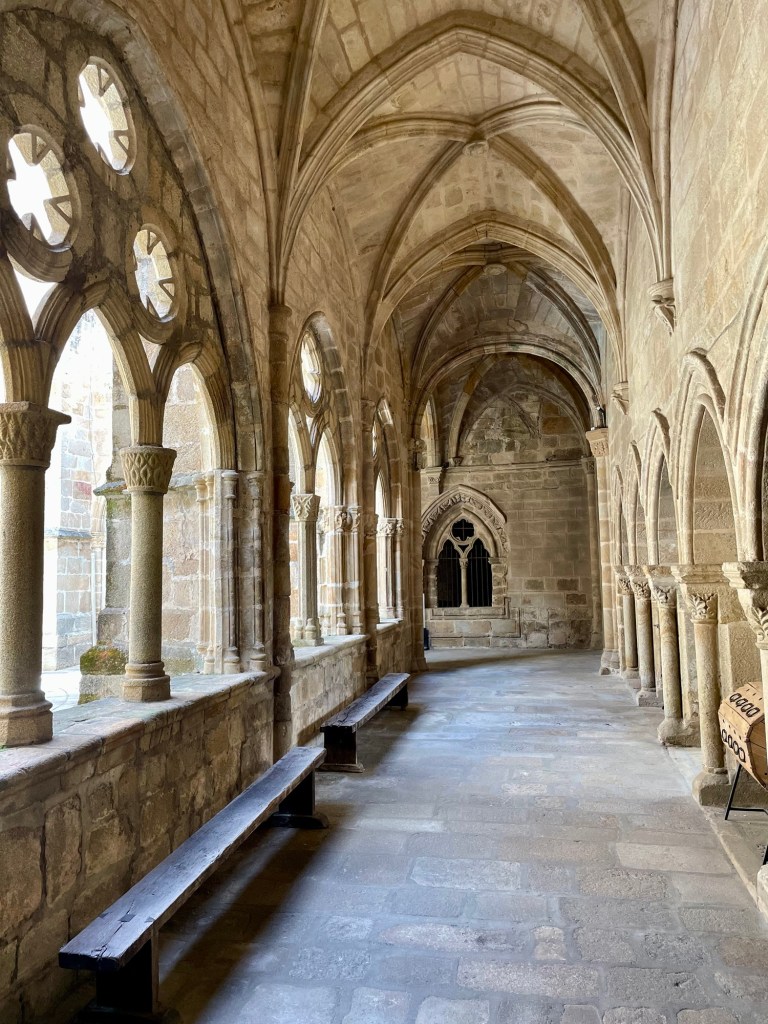
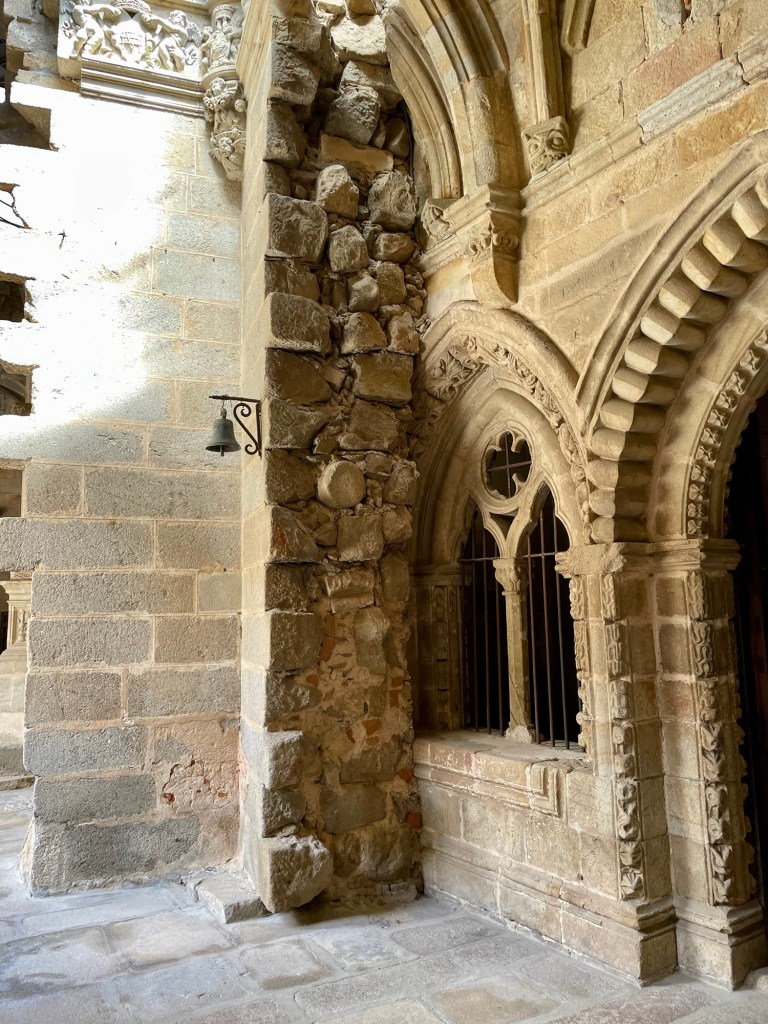

The medieval walls, built in the 12th century, surround much of the old town and include 68 towers and numerous gates. These walls helped protect the city during its turbulent past.
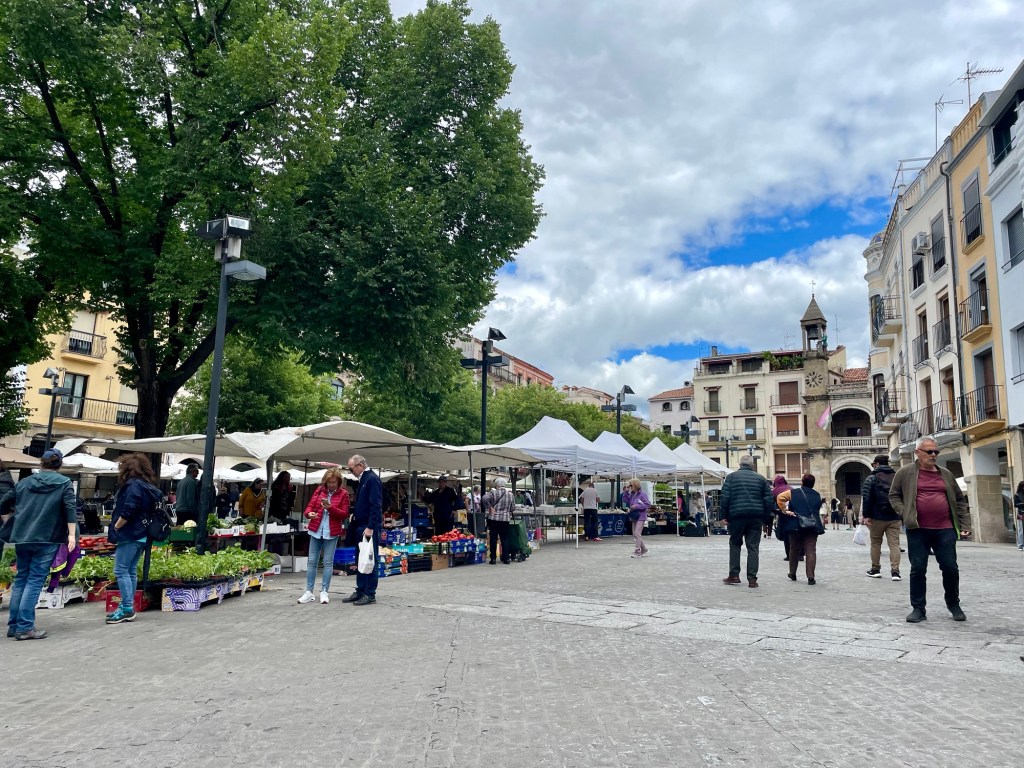
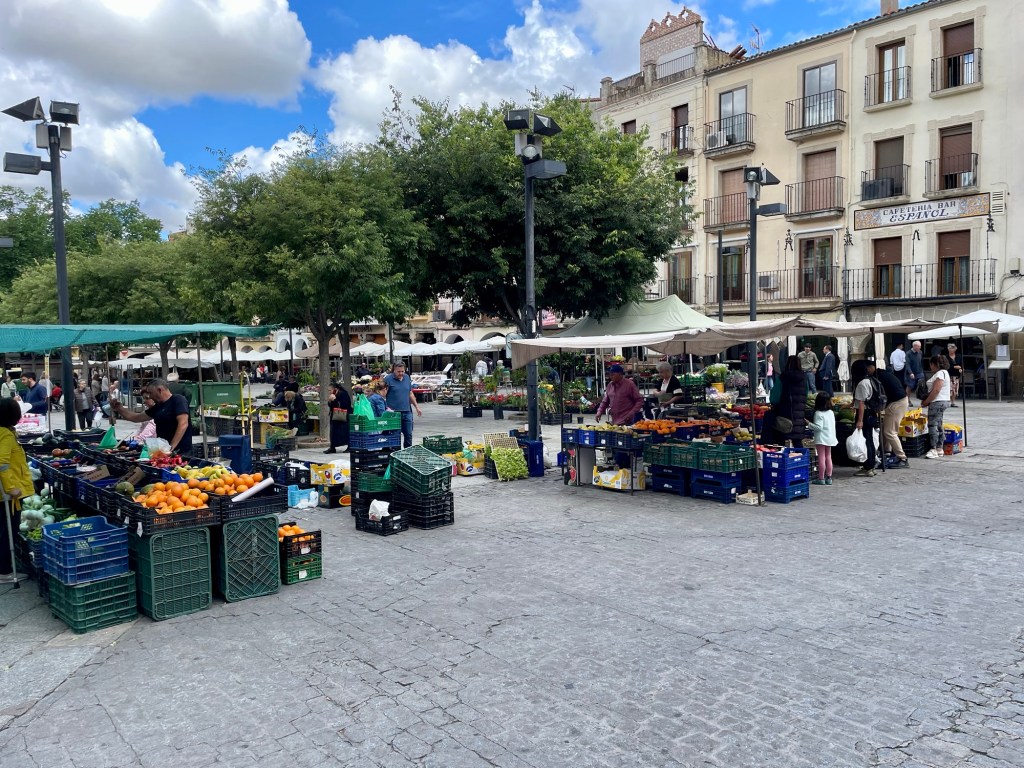
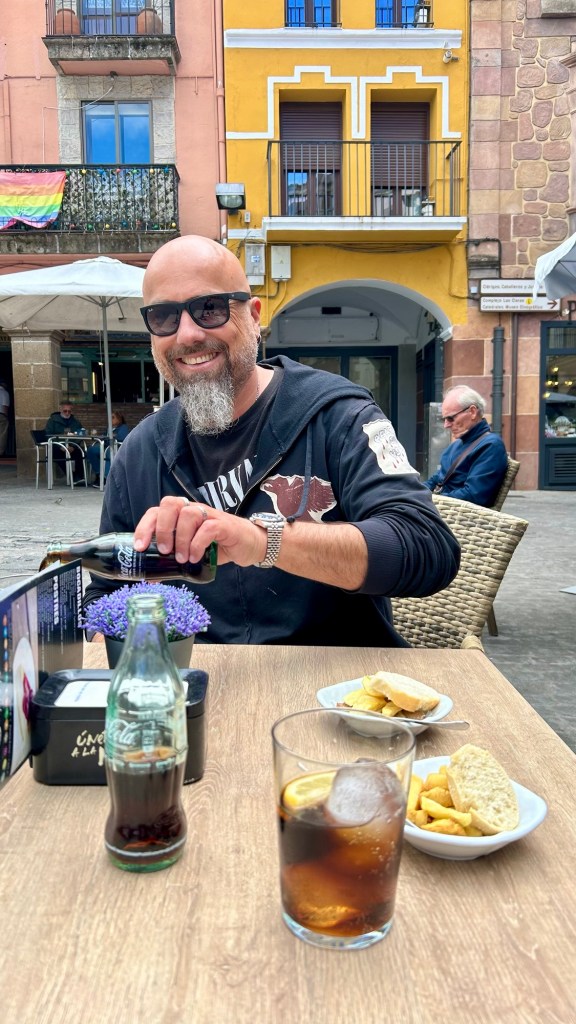
We had lunch at Plaza Mayor, the city’s main square, a lively spot surrounded by historic buildings, including the Town Hall with its 16th-century clock tower and bell-ringer (known as “El Abuelo Mayorga”). The local marked was in full swing while we ate bocadillos with coke, and even the soft drinks came with a free tapa here!

Plasencia is set in a beautiful landscape, surrounded by natural parks, mountains, and rivers. The Jerte Valley, known for its cherry blossoms in spring, is especially famous. Other nearby natural attractions include the Monfragüe National Park, a UNESCO Biosphere Reserve known for its wildlife and birdwatching.
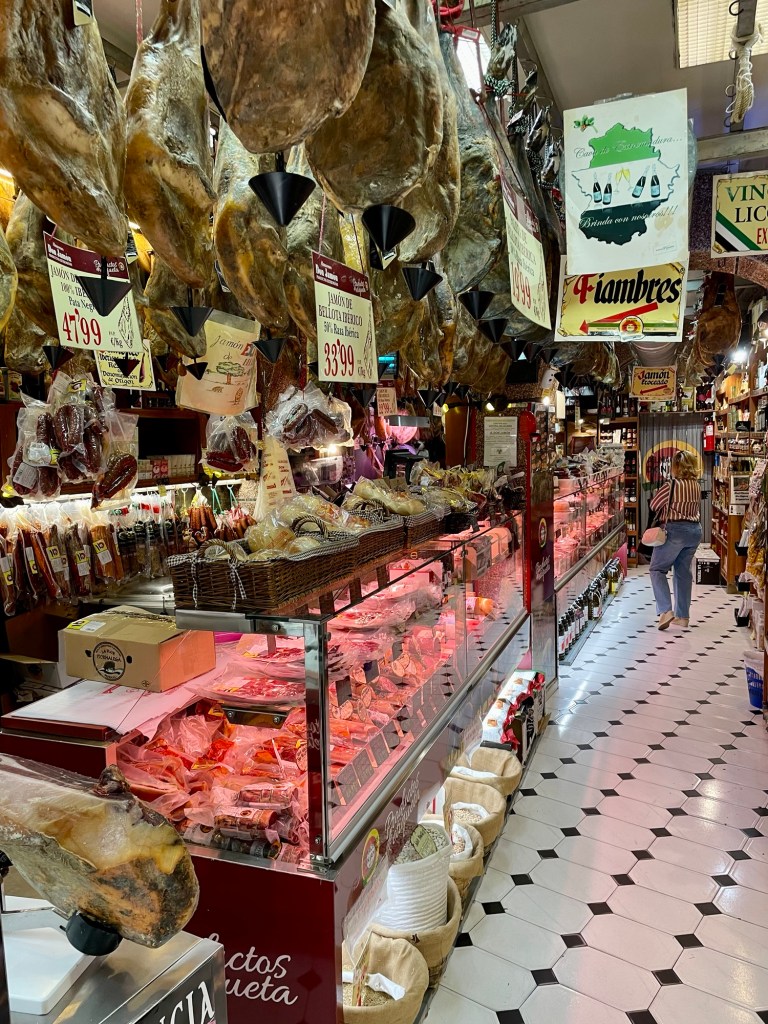

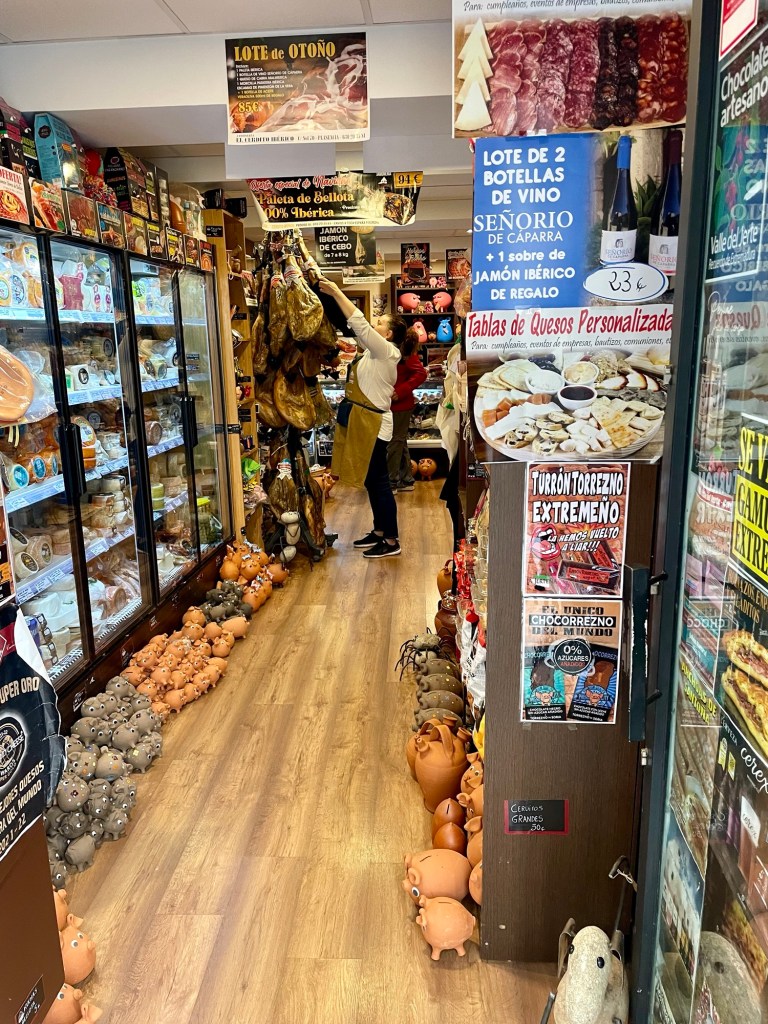

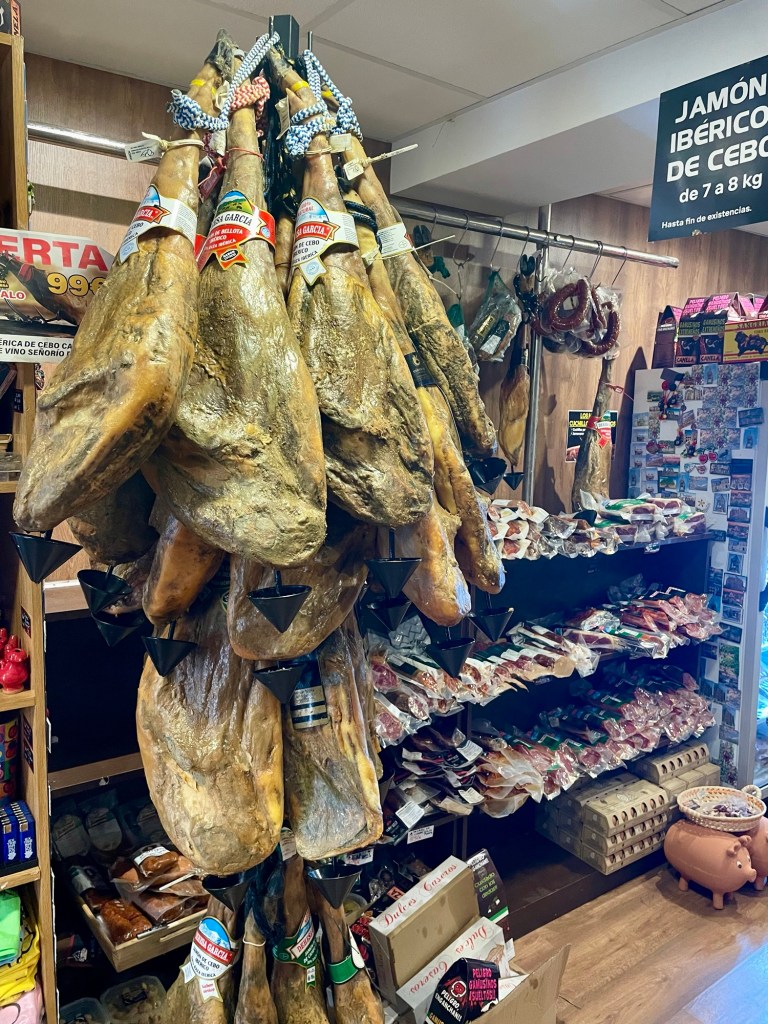
Local specialties include jamón ibérico (Iberian ham), migas (a dish made from breadcrumbs, garlic, and chorizo), and various game meats. The nearby Jerte Valley is also famous for its cherries, which are used in various desserts and dishes. We had to try the jamon at a local butcher, and it was delish. Plasencia was a cool random stop, great food, and great atmosphere!




 Wremer Travels (yes, we do!)
Leave a comment