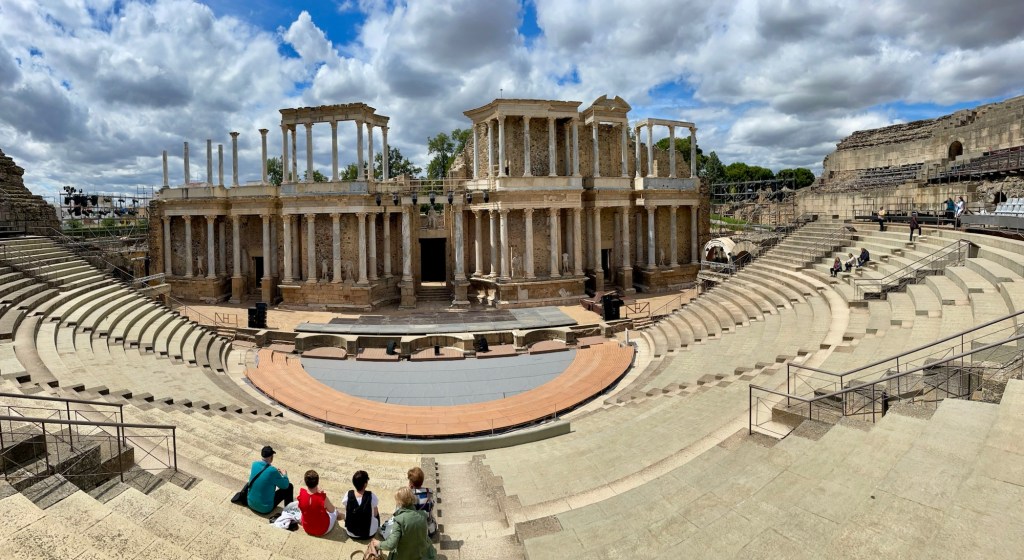
Mérida was founded in 25 BC as Emerita Augusta by Emperor Augustus (yes, that dude!) for retired Roman soldiers. It became one of the most important cities in the Roman Empire, and today, it’s home to some of the best-preserved Roman ruins in Spain.
Due to its extensive collection of Roman monuments, Mérida was declared a UNESCO World Heritage Site in 1993. The Roman Theatre, Amphitheatre, and Aqueduct of Los Milagros are some of its most famous landmarks.
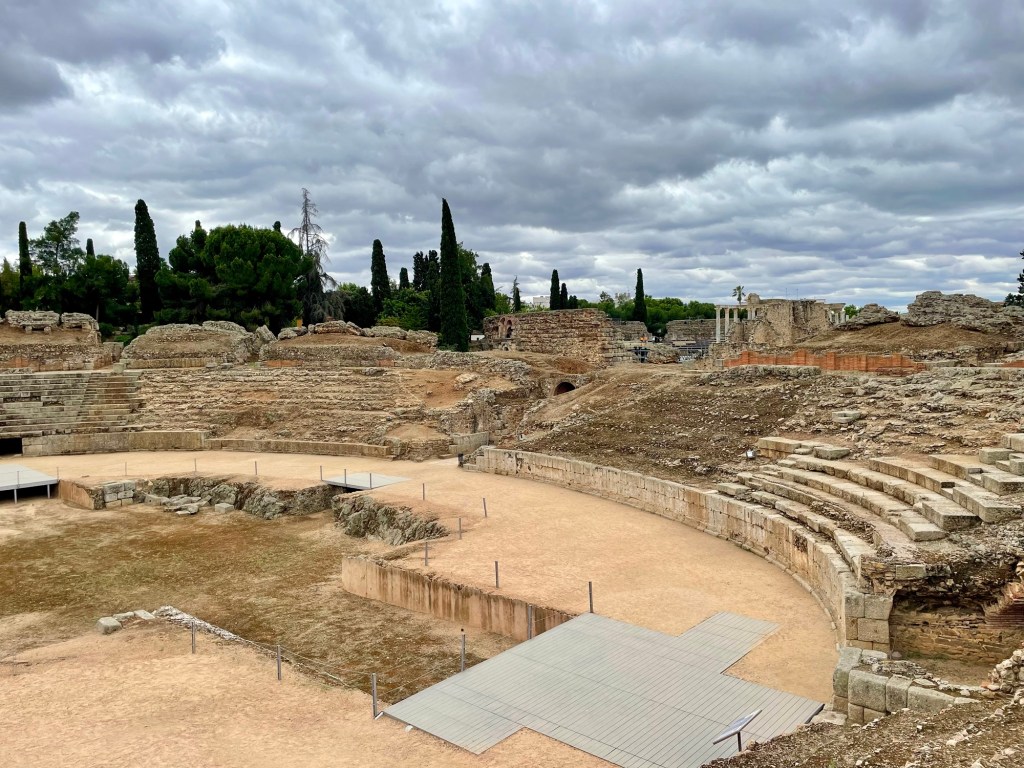


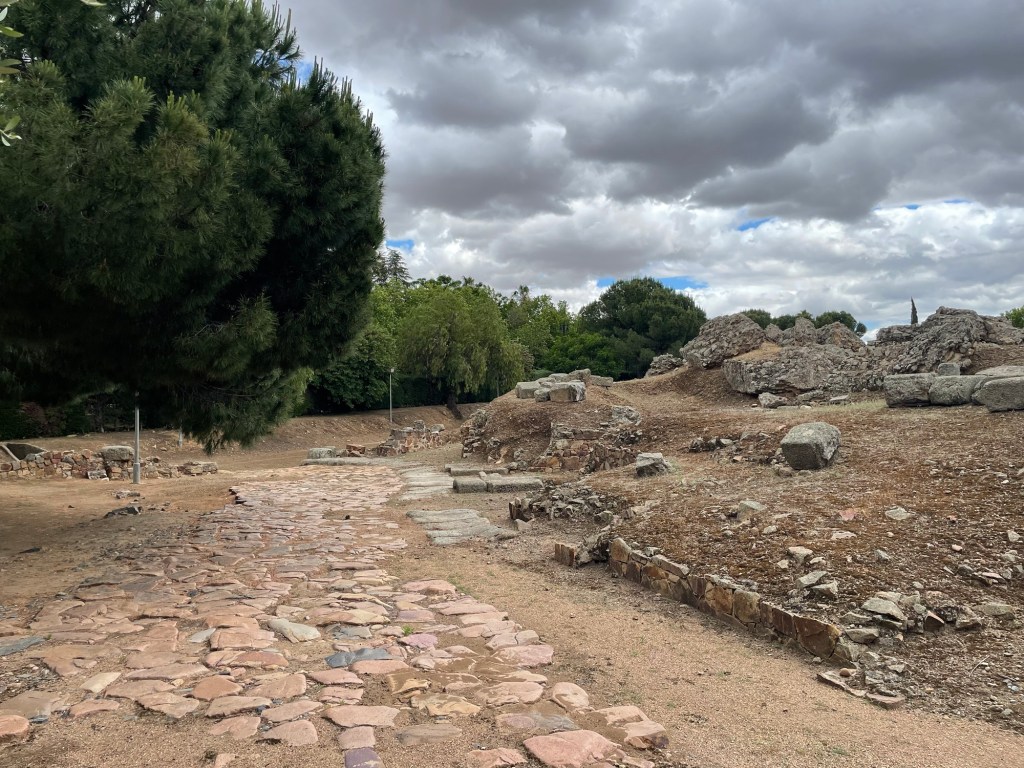
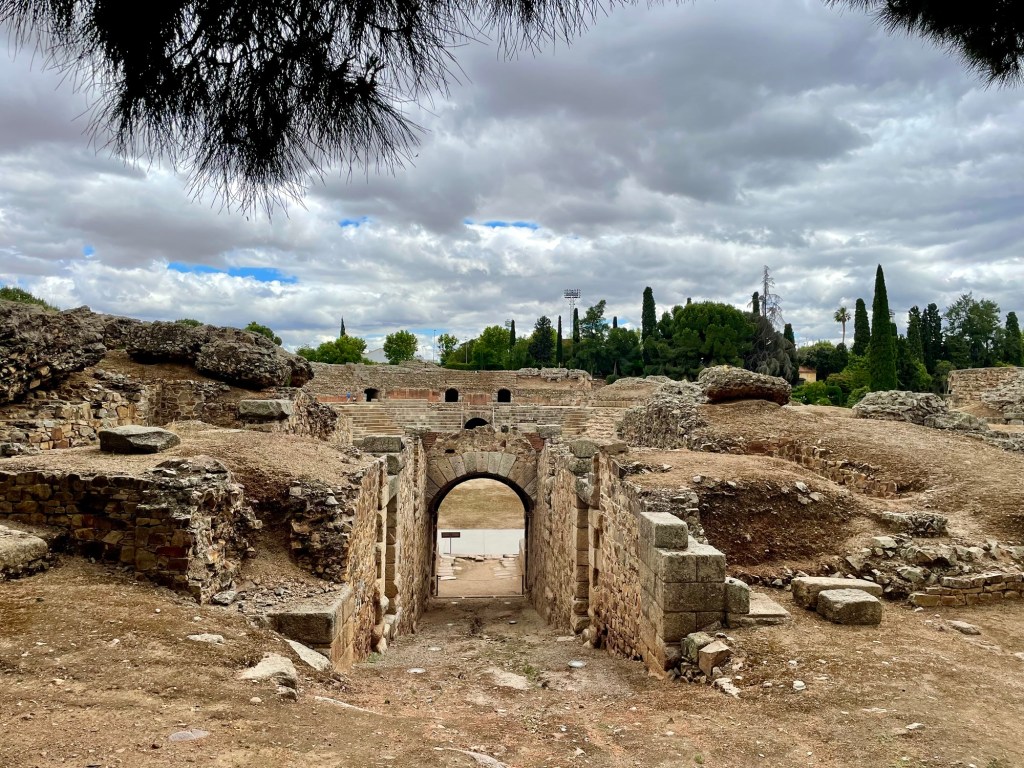
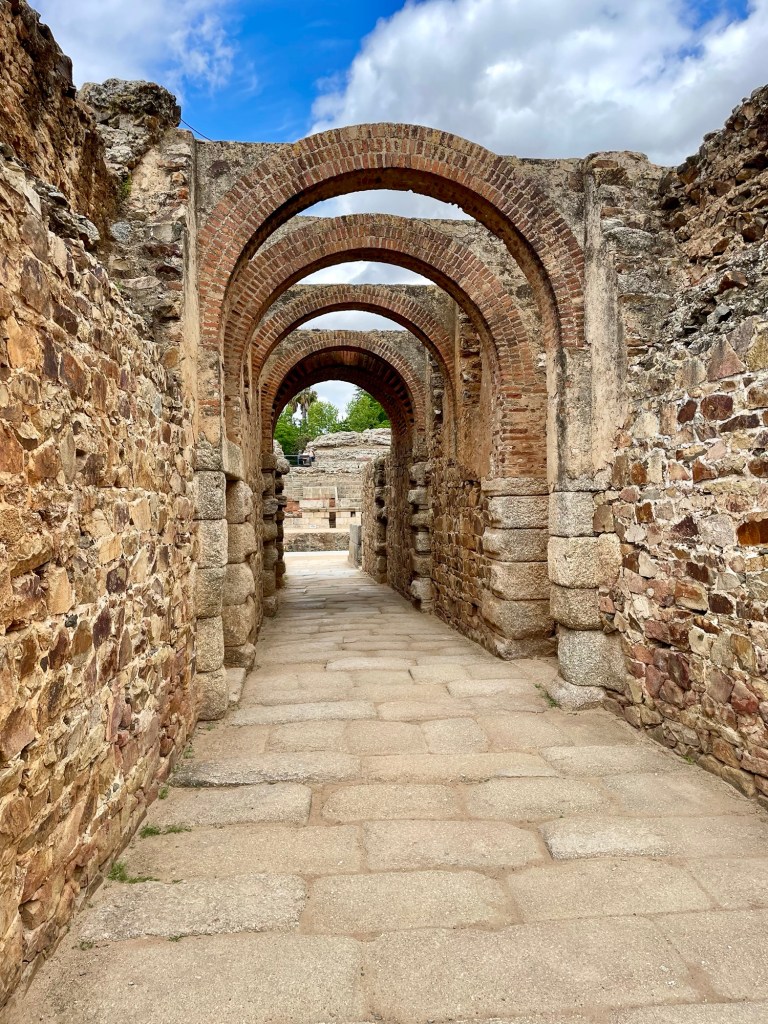
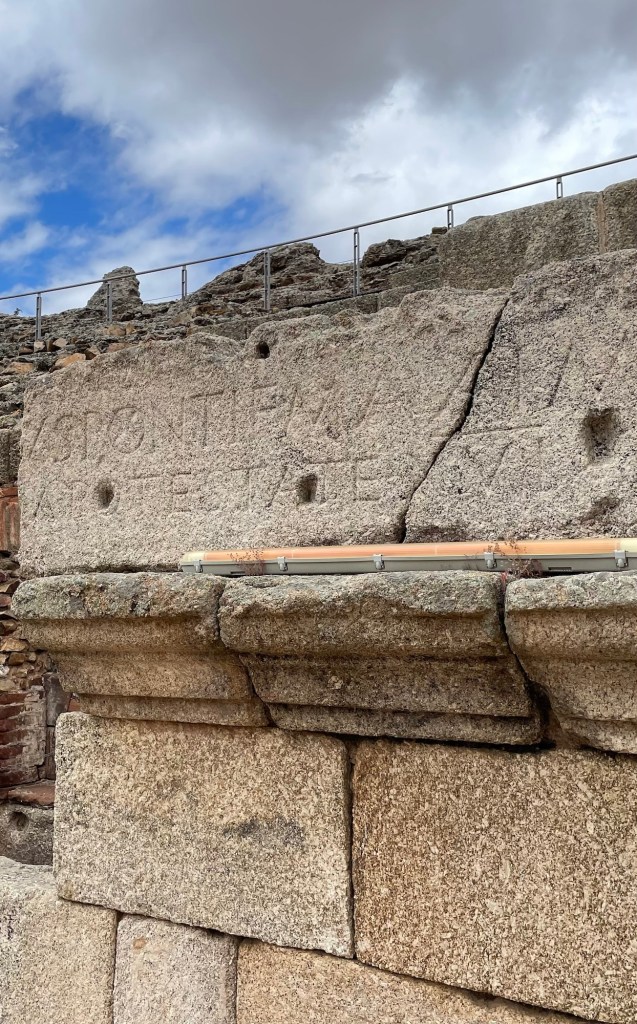
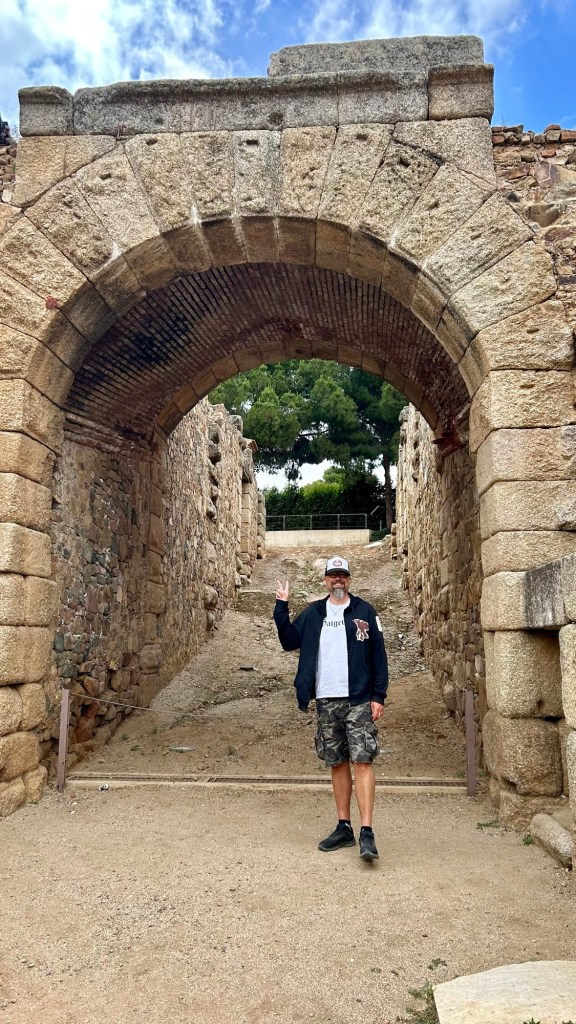
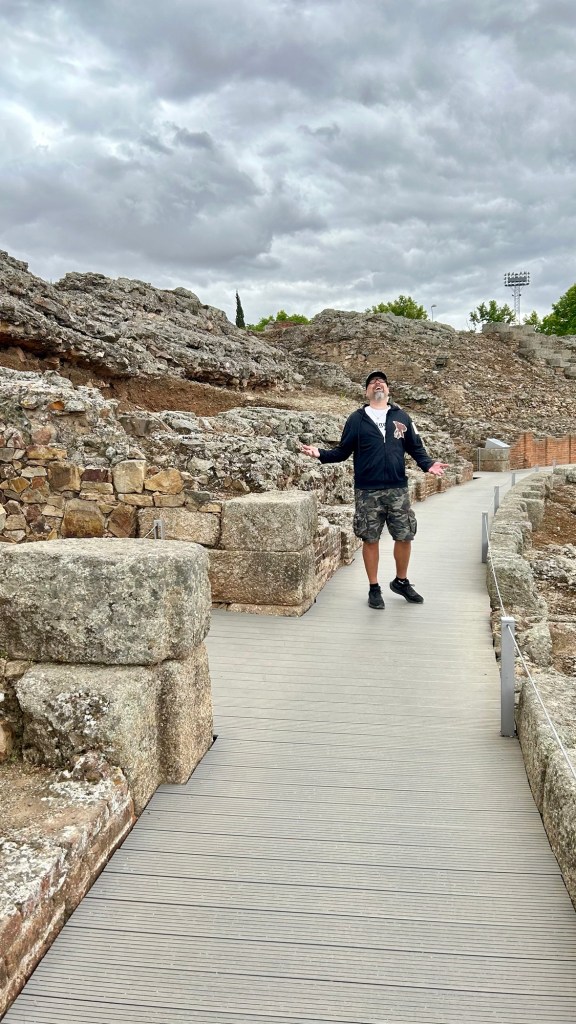
We started our tour of the city at the ruins of the amphitheatre, situated next to the Roman Theatre. It was spectacular, maybe not as cool as Italica but still very awe inspiring. The coolest thing was all the stairs, archways and antechambers you could walk into and through. The information on small plaques was great, and gave a good introduction to the inner workings of a Roman amphitheatre.

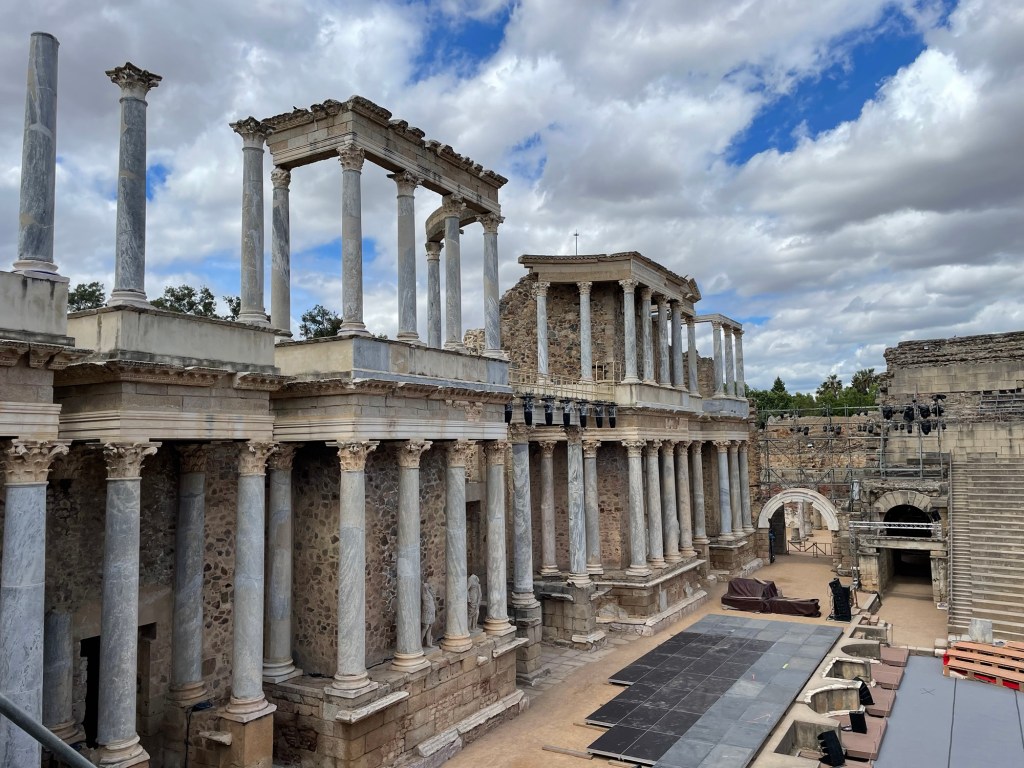
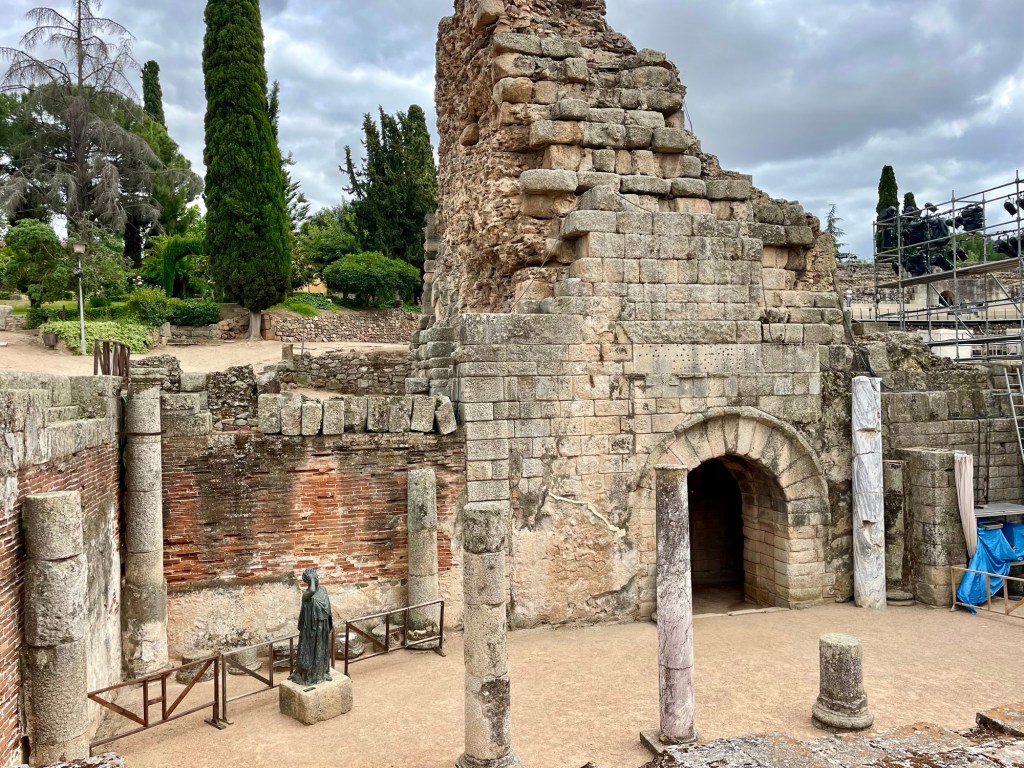
The Roman Theatre in Mérida, built around 16 BC, still hosts performances today. Every summer, the city holds the Festival Internacional de Teatro Clásico (International Classical Theatre Festival), where plays are performed in the ancient venue. It was the absolute highlight for us, to sit at the original stairs gazing upon columns and statues, seeing the stage where Roman plays would have been acted out 2000 years ago, was amazeballs!


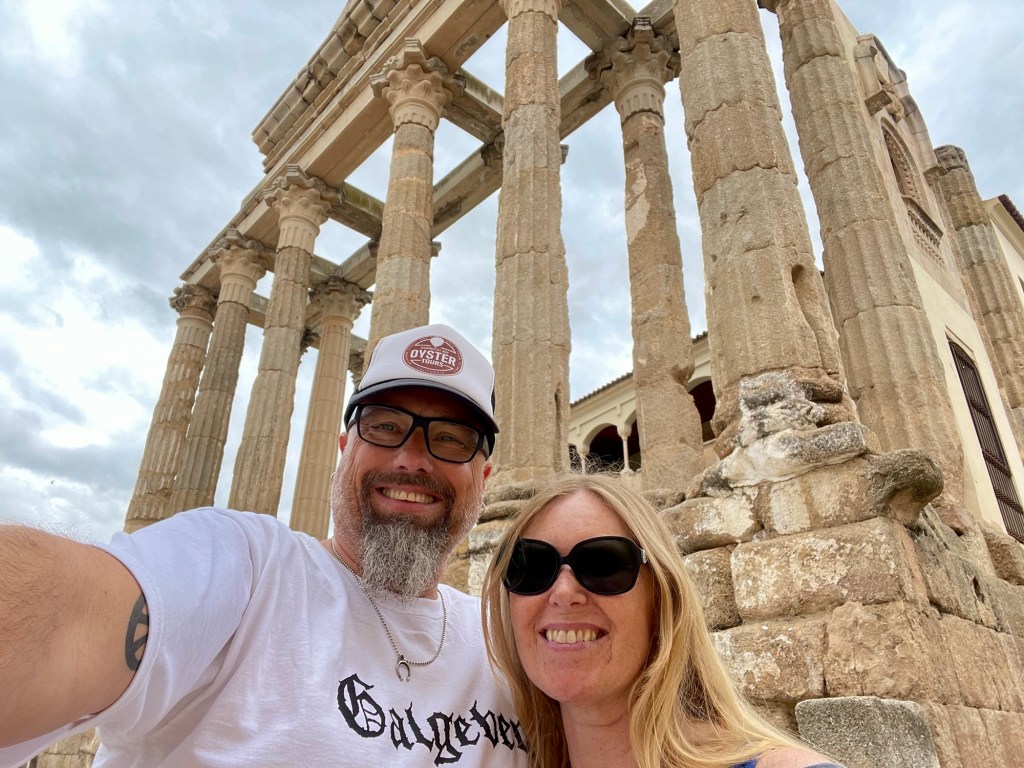
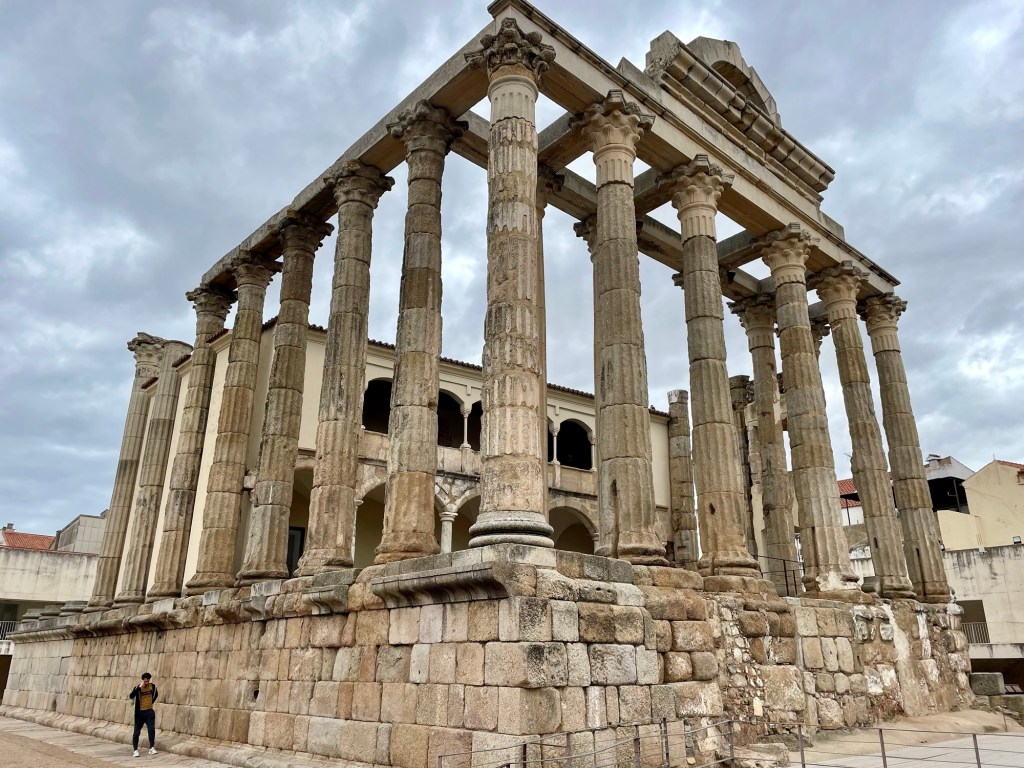
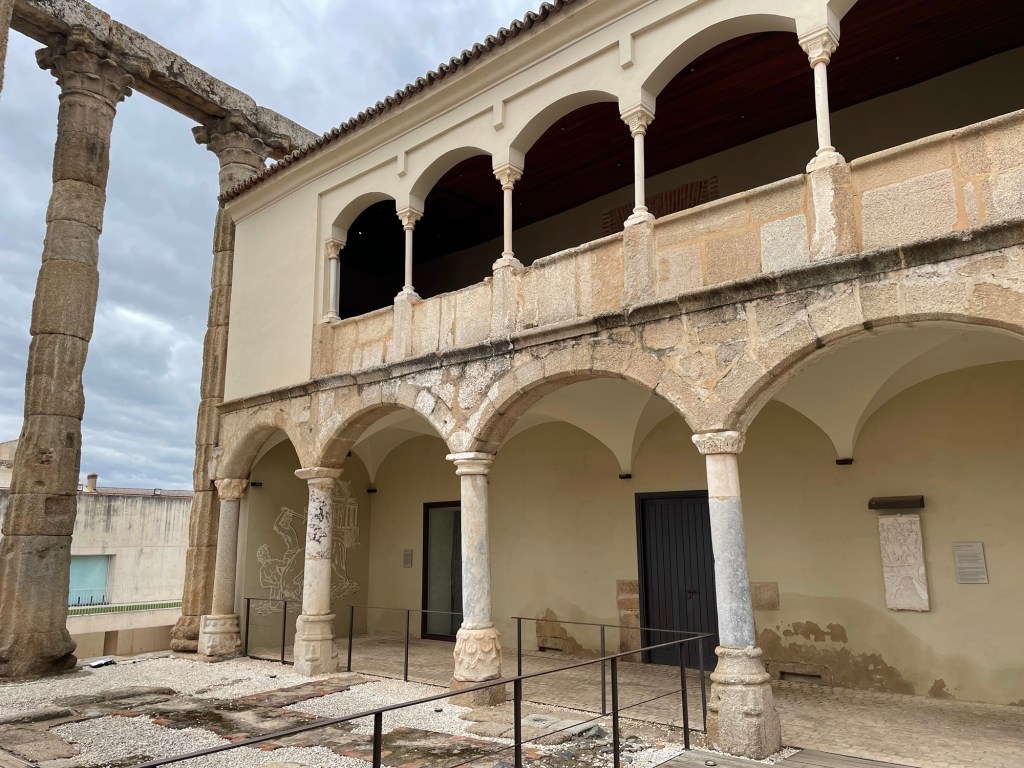
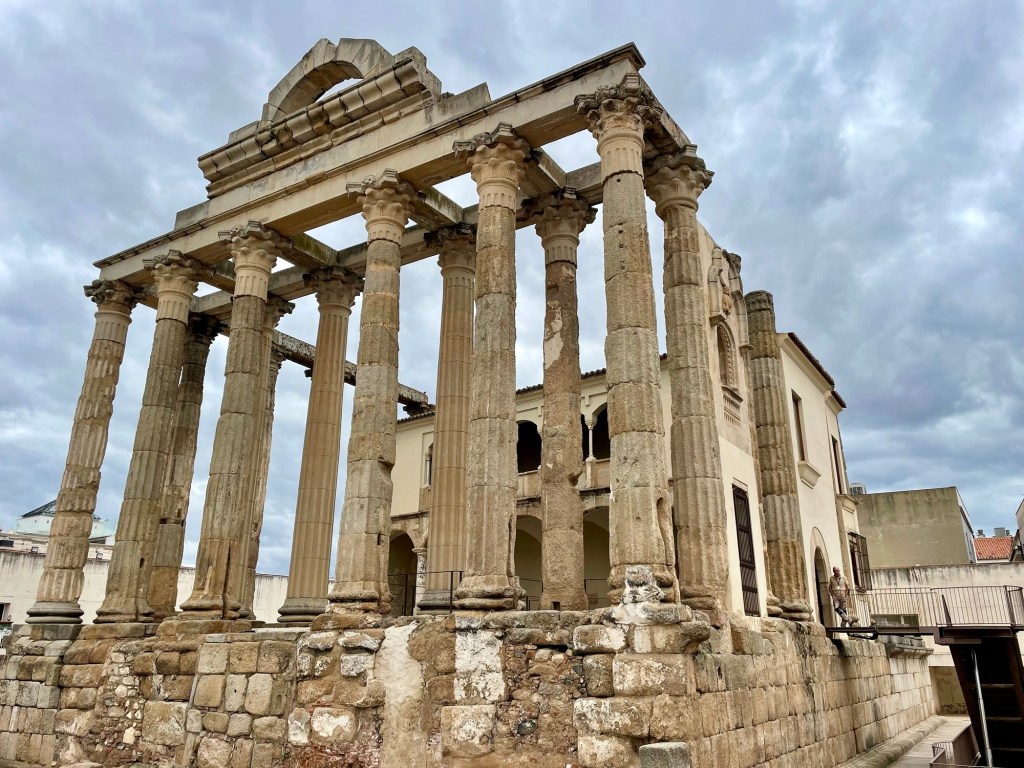
The Temple Of Diana, is an ancient Roman temple that dates back to the 1st century BCE. It is one of the most well-preserved Roman structures in the city and stands as a testament to the grandeur of Roman architecture in the region. During the 16th century, the temple was incorporated into the palace of the Count of Corbos, a noble family of the region, which explains the structure’s excellent preservation. The palace, now mostly dismantled, was built around and within the ancient ruins.


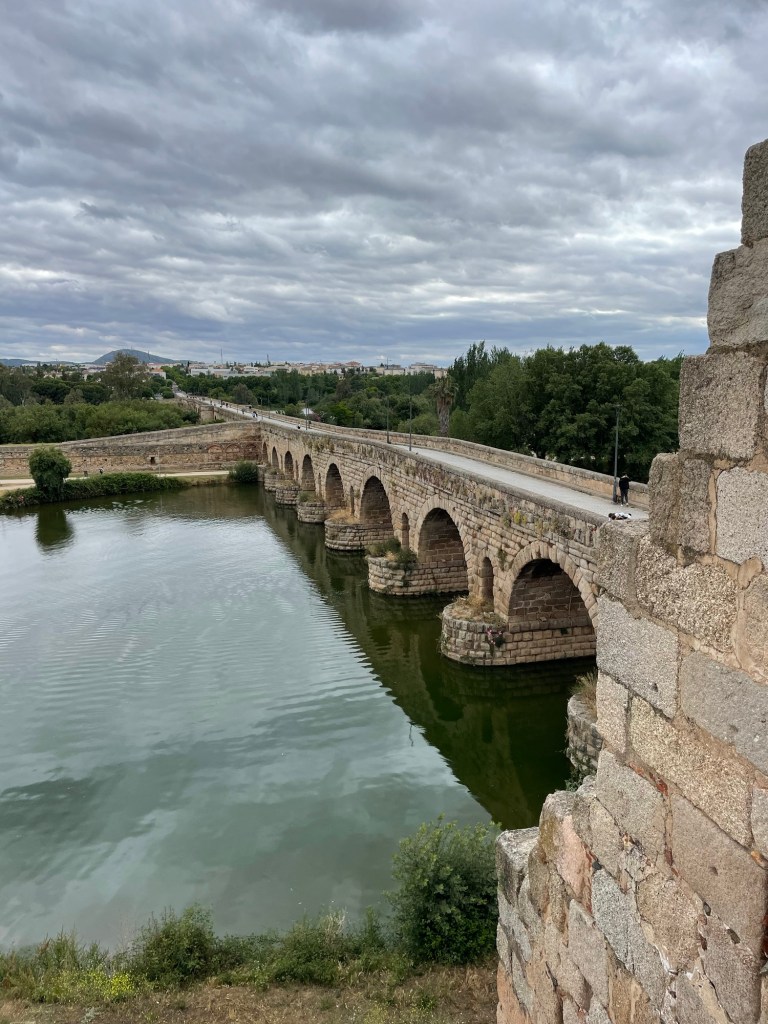
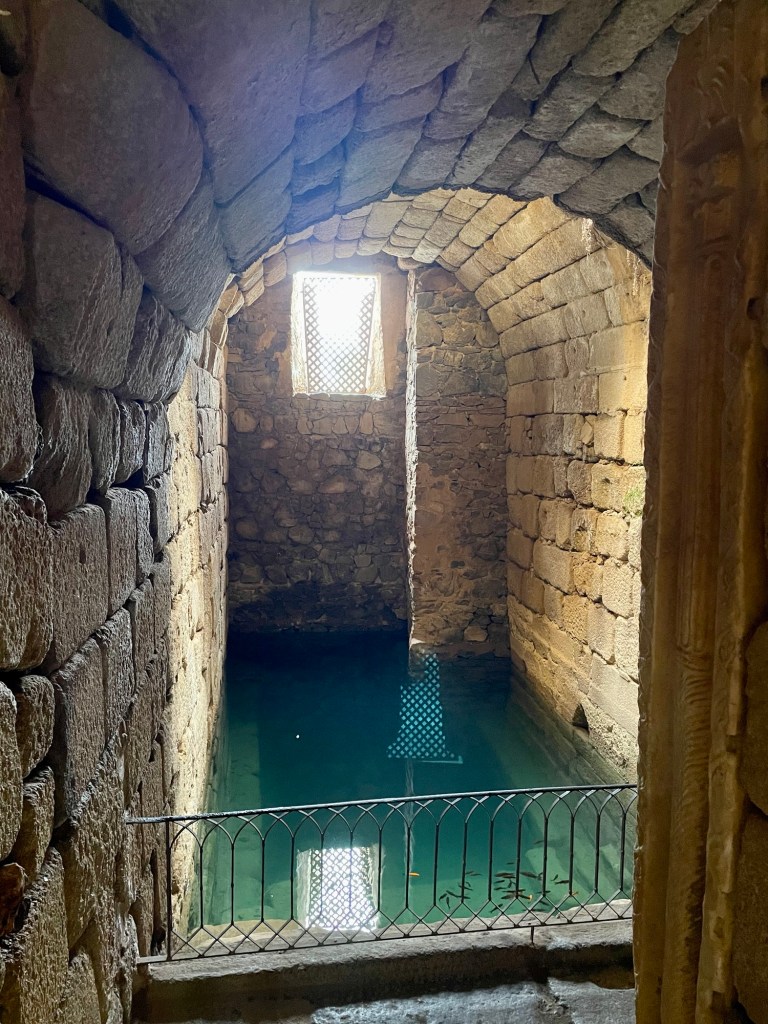
The Puente Romano (Roman Bridge) over the Guadiana River is one of the longest surviving Roman bridges in the world, stretching over 792 meters (2,598 feet). It’s still walkable today! The adjacent fortress of Alcazaba de Mérida is a cool visit as well. It was a Roman fortification originally, then rebuilt by the Moors and eventually reconquered by the Christian Spanish. A true layered cake, do no miss the cistern with its dual staircase, very cool!




The Aqueduct of Los Milagros is one of the city’s most striking and well-preserved Roman structures.

Built during the Roman period (likely in the 1st century AD), the aqueduct was used to transport water from the Proserpina reservoir, located about 5 kilometers (3 miles) away, into the city of Emerita Augusta (now Mérida).
It was part of a complex water system that supplied the Roman colony with fresh water. The arches, which stand on massive pillars, are up to 25 meters (82 feet) tall in some sections. The contrast between the reddish bricks and the grayish stones is a notable feature.
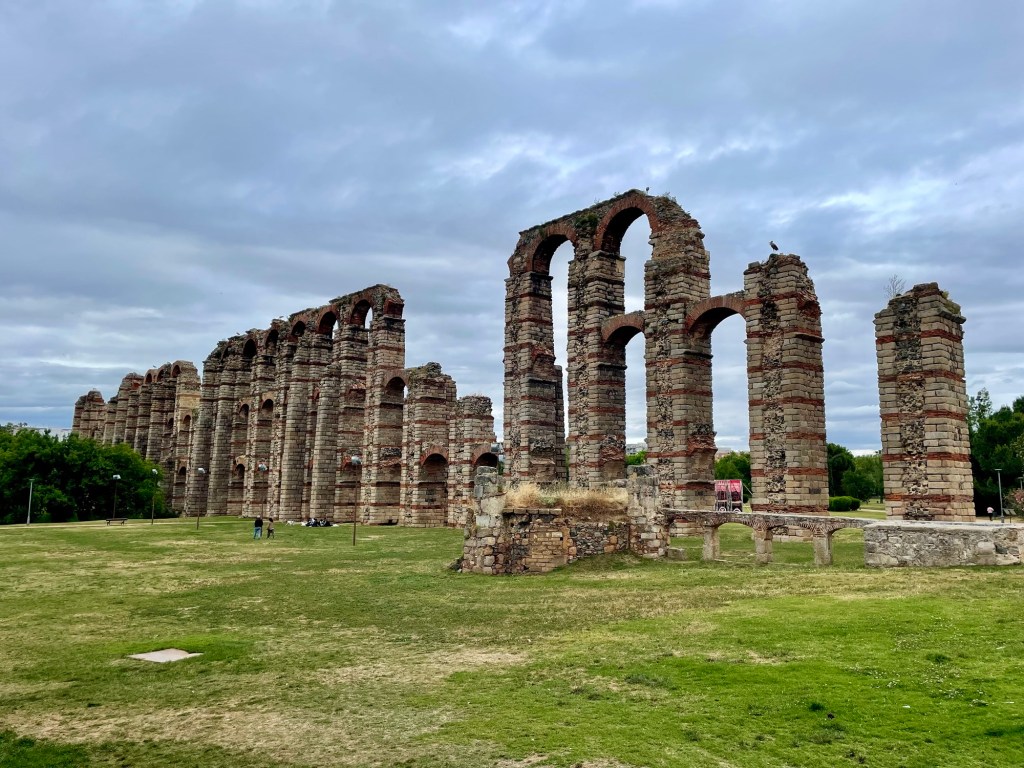


Interestingly, the ruins of the aqueduct have become a haven for storks. Their large nests can often be seen perched atop the columns, adding a natural element to the ancient Roman structure. When we visited i May, the storks were in full swing making nests and partnering up at their huge mounds of twigs atop the aqueduct remains.
Mérida is a treasure trove for history buffs and travelers interested in ancient civilizations, the amazing layers of Roman, Moor and Christian rulers are fantastic. We did not have time to see the well preserved circus unfirtunately, the city demands two days visit, we only had one.
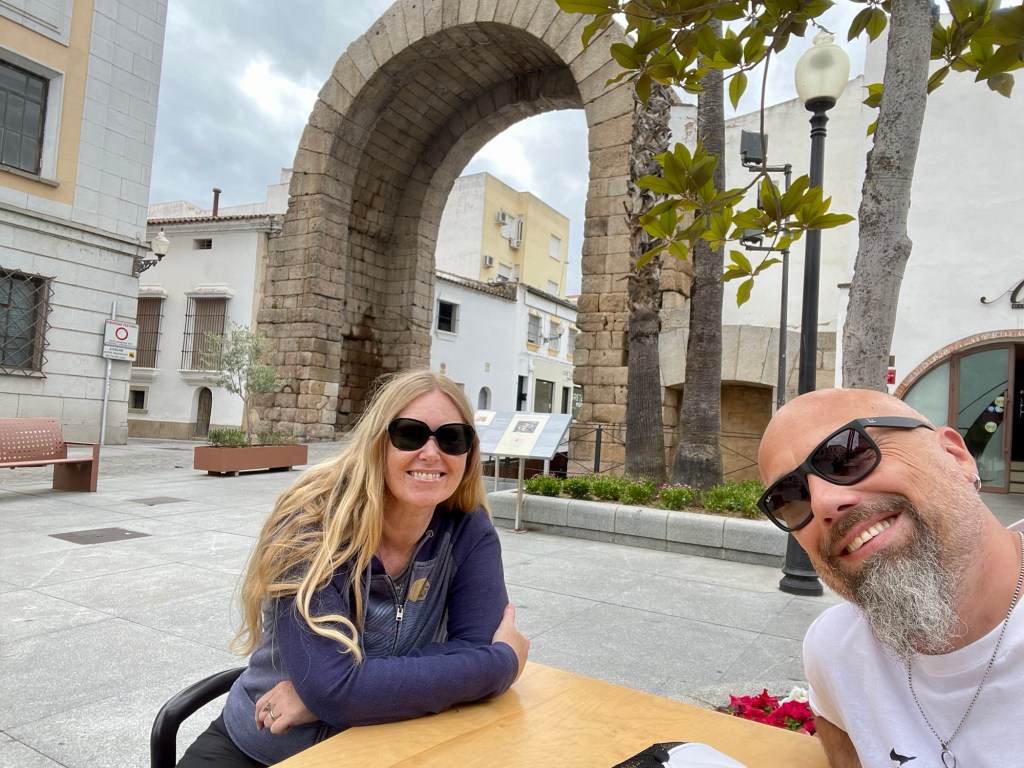
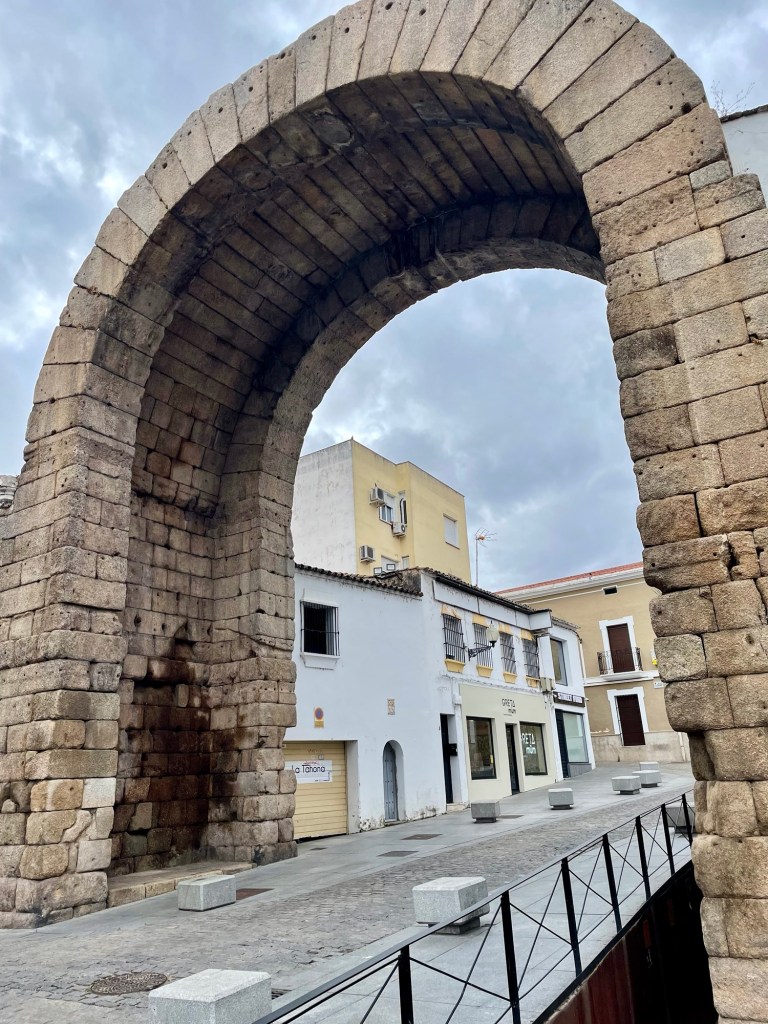
Just walking randomly around town you will find ancient ruins (like Trajans arch), cool squares with bars and restaurants, the whole city felt really different to many other Spanish cities we have visited. We stayed at the cheap and quirky Hotel Paula Films Collection, a movie themed hotel with a handy car park just around the corner.
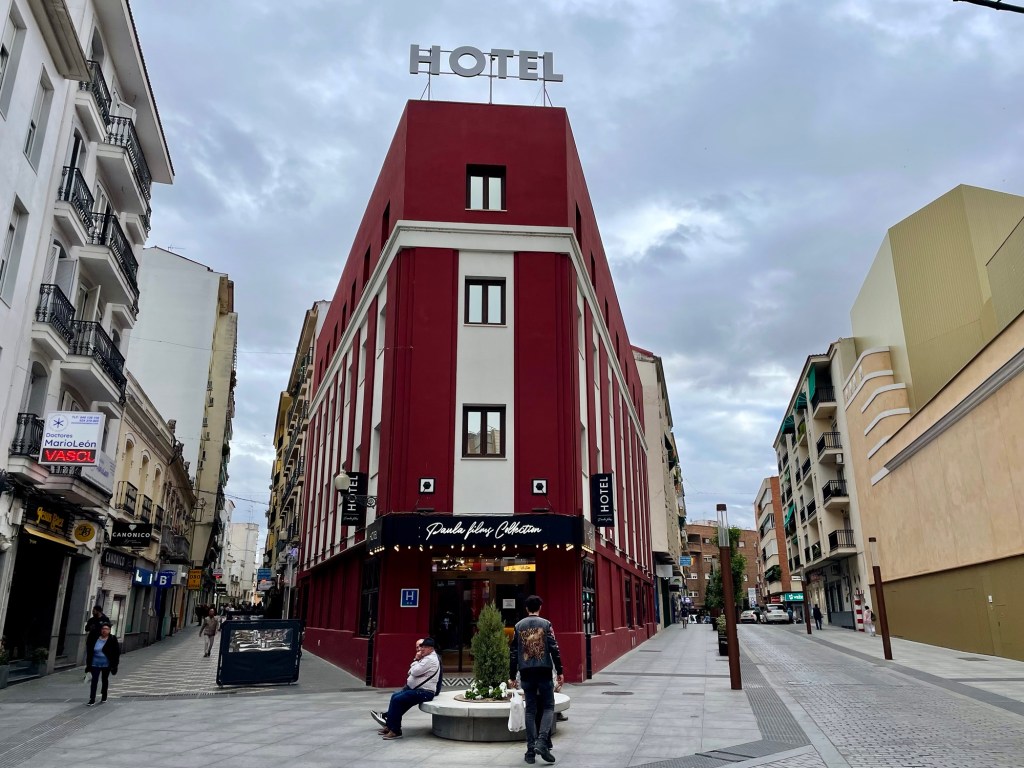
A great tip is to buy a ticket at your first point on sightseeing route, that covers all entrance fees (8 euro reduction) to what you want to see, read more here.
Mérida is one of those towns we feel we need to visit again, just to see more stuff, and have a little longer doing so. A cool town with centuries of history layered for all to see and marvel at.





 Wremer Travels (yes, we do!)
Leave a comment