Nestled along Tasmanias northeastern coast lies a stretch of coastline so striking, so vividly colorful, that it almost feels otherworldly. Welcome to the Bay of Fires — a destination that deserves a top spot on any traveler’s itinerary.

The Bay of Fires isn’t named for actual flames, but for the brilliant orange lichen that blankets the granite boulders along the shore. When the sunlight hits just right — especially during sunrise or golden hour — the rocks appear to glow with a fiery hue, creating a dramatic contrast against the white-sand beaches and crystalline blue waters.
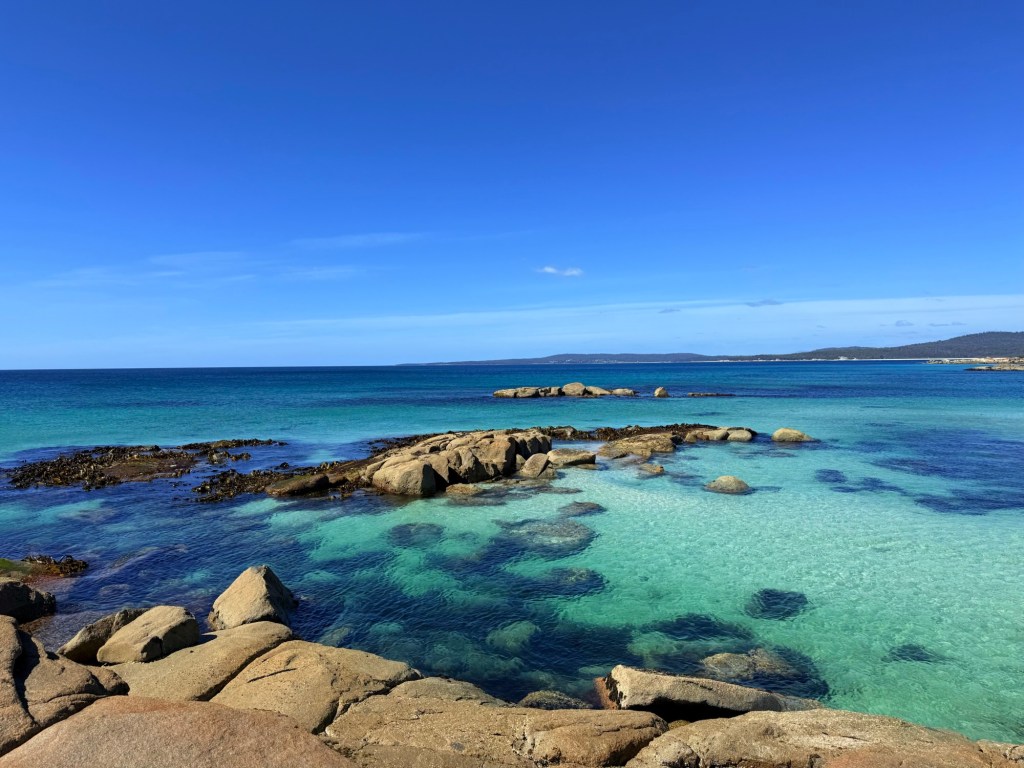
The Bay of Fires stretches for about 50 kilometers, from Binalong Bay in the south to Eddystone Point in the north. It’s easily accessible from the charming town of St Helens, which serves as a great base for exploring the region.
The beaches here are untouched, clean, and inviting. Popular spots like Jeanneret Beach, Swimcart Beach, and The Gardens offer safe places to swim, sunbathe, and take in the peaceful surroundings.

We stopped first in the small hamlet of Binnalong Bay, and parked at the Skeleton Bay Reserve free parking lot. There is a cool platform with great views there but the most awesome thing was the beach hidden behind the brushes to the east. It is a spectacular spot for swimming in the calm rock pools, sheltered from the ocean swell.

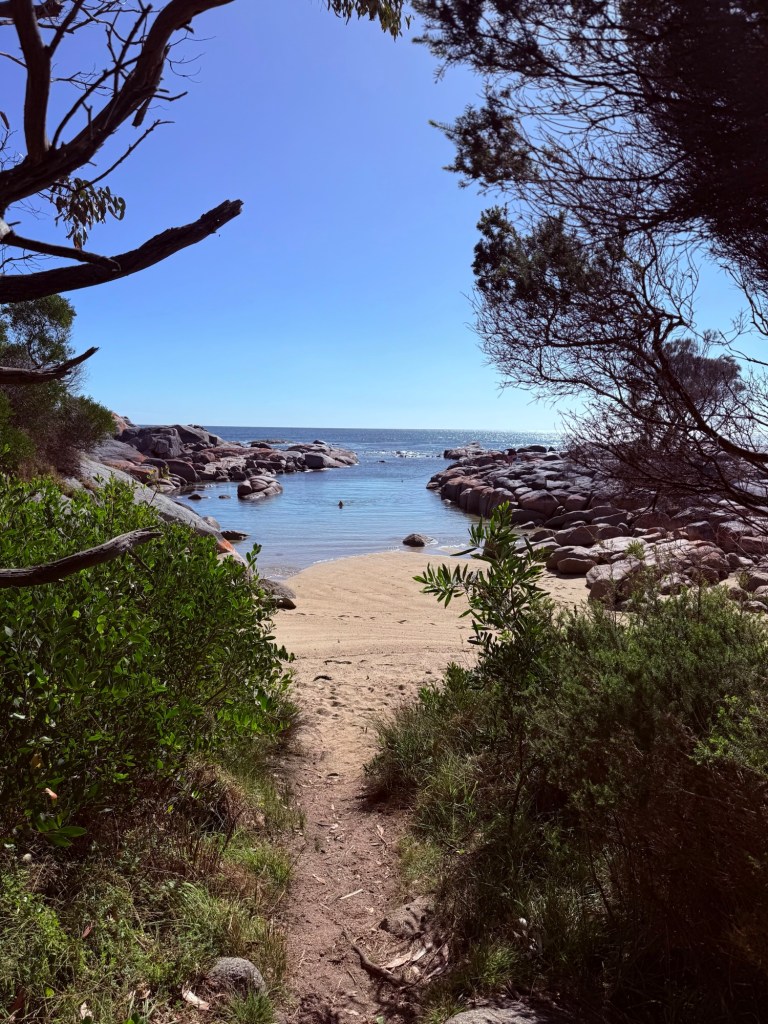
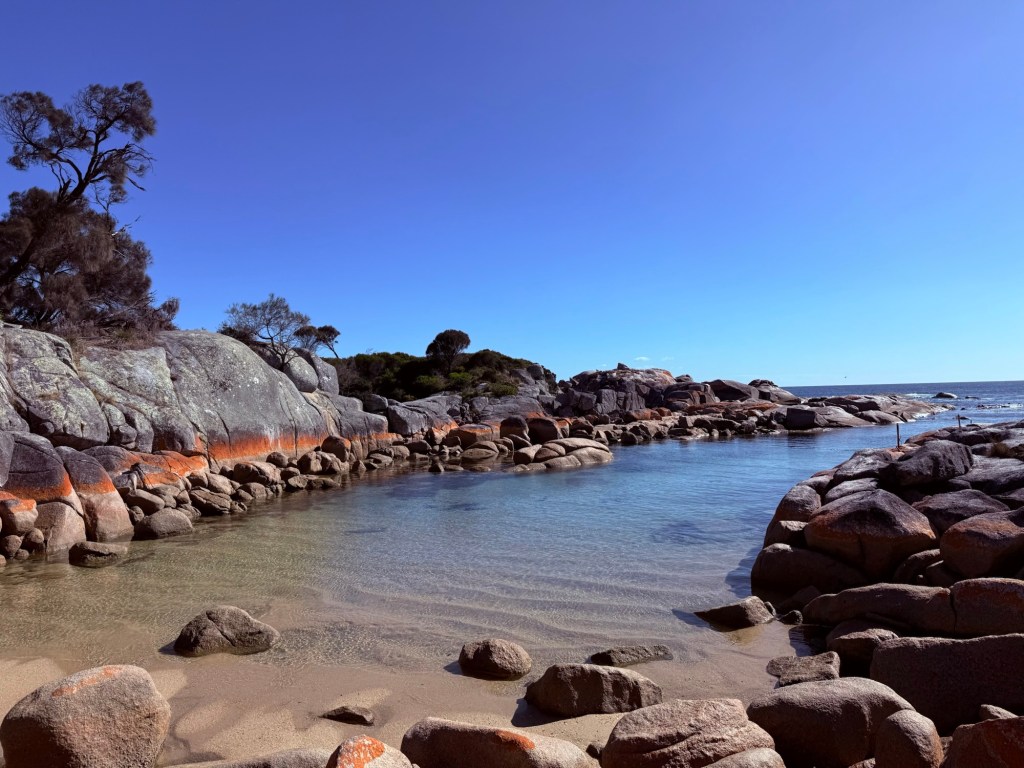
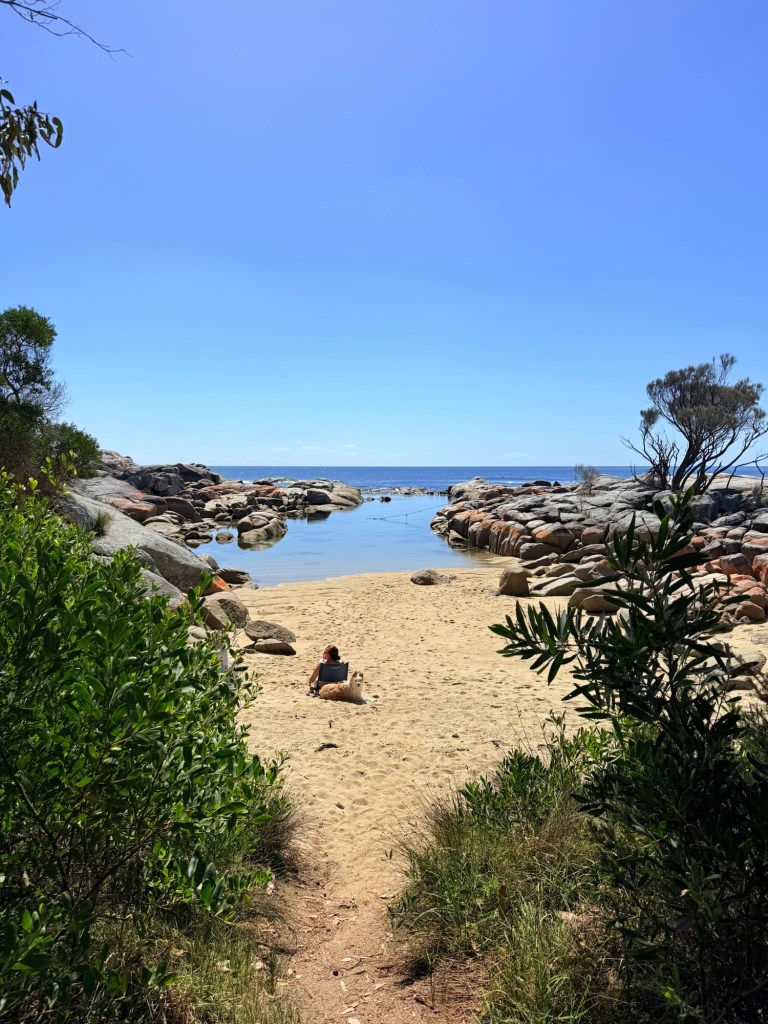


We drove up the coast towards The Gardens, probably the most spectacular site to see the red fiery rocks up close. The parking here is rather small and we were lucky to get a spot, even in low season, so it must be really hard in peak season.

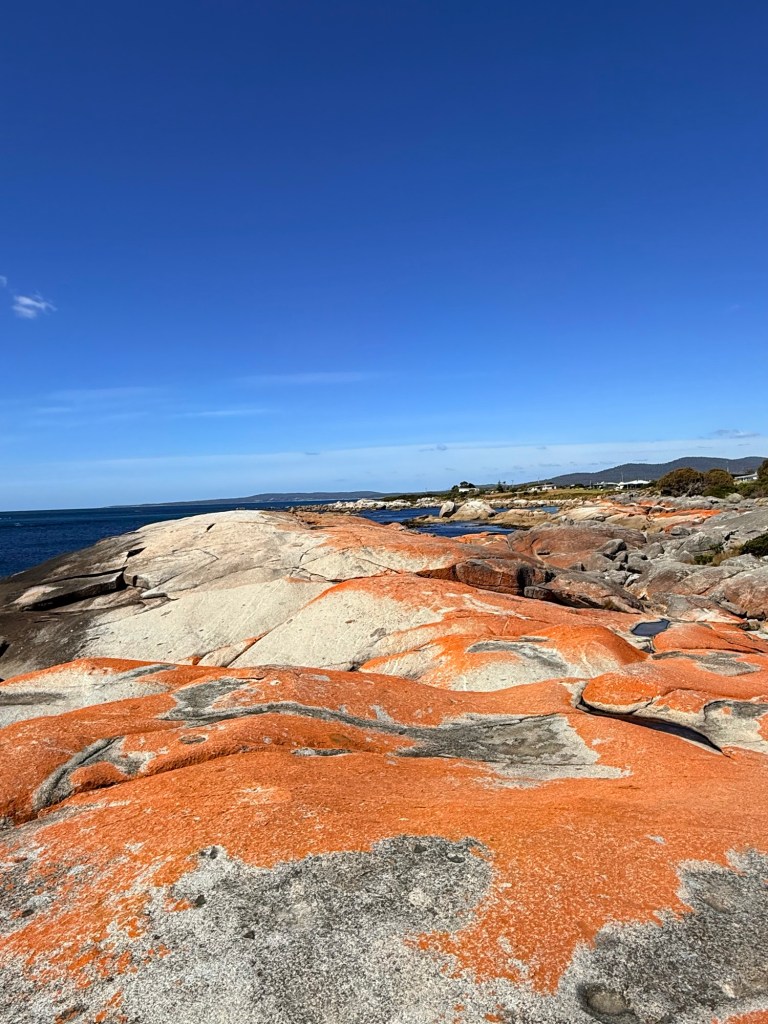
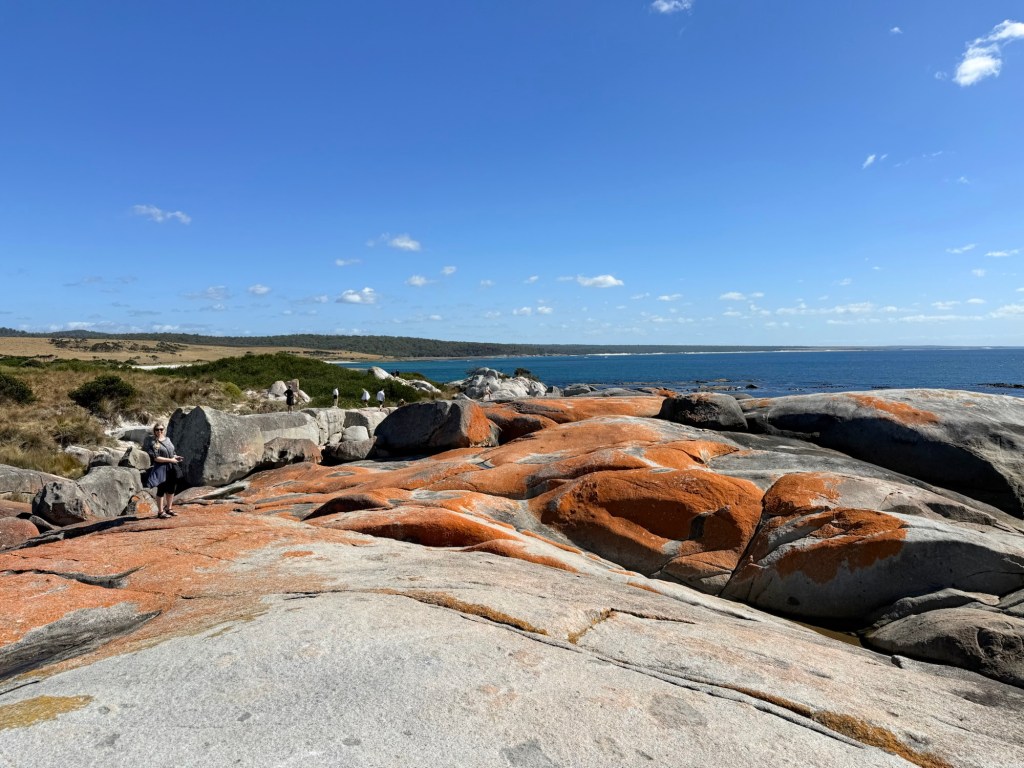
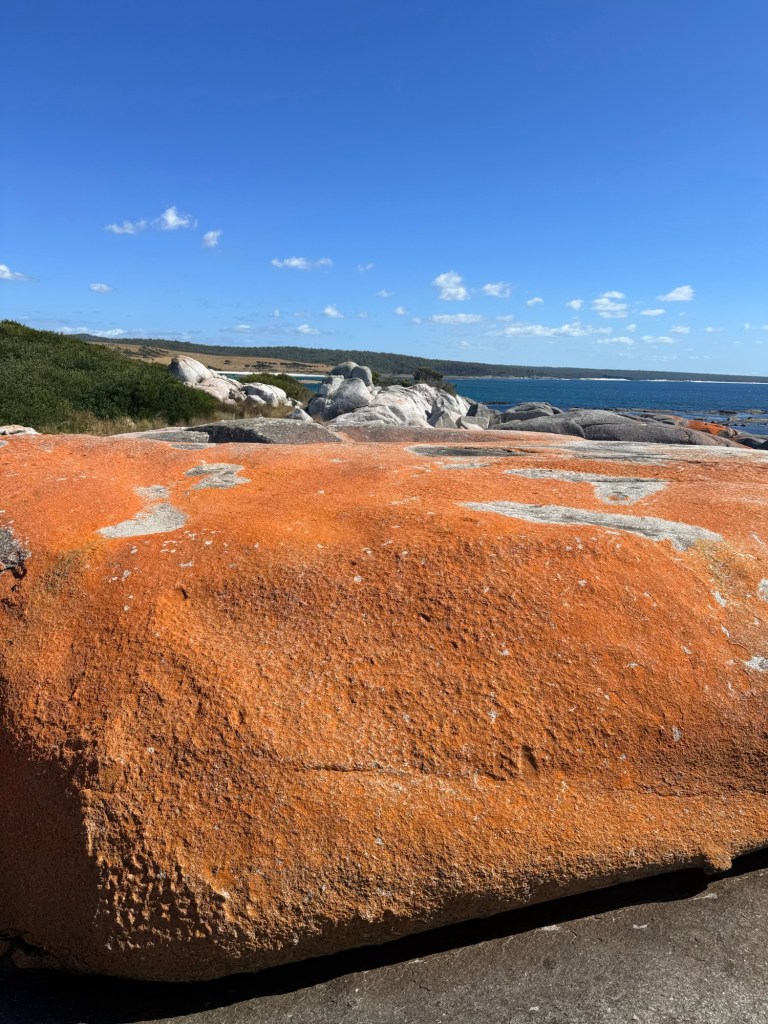
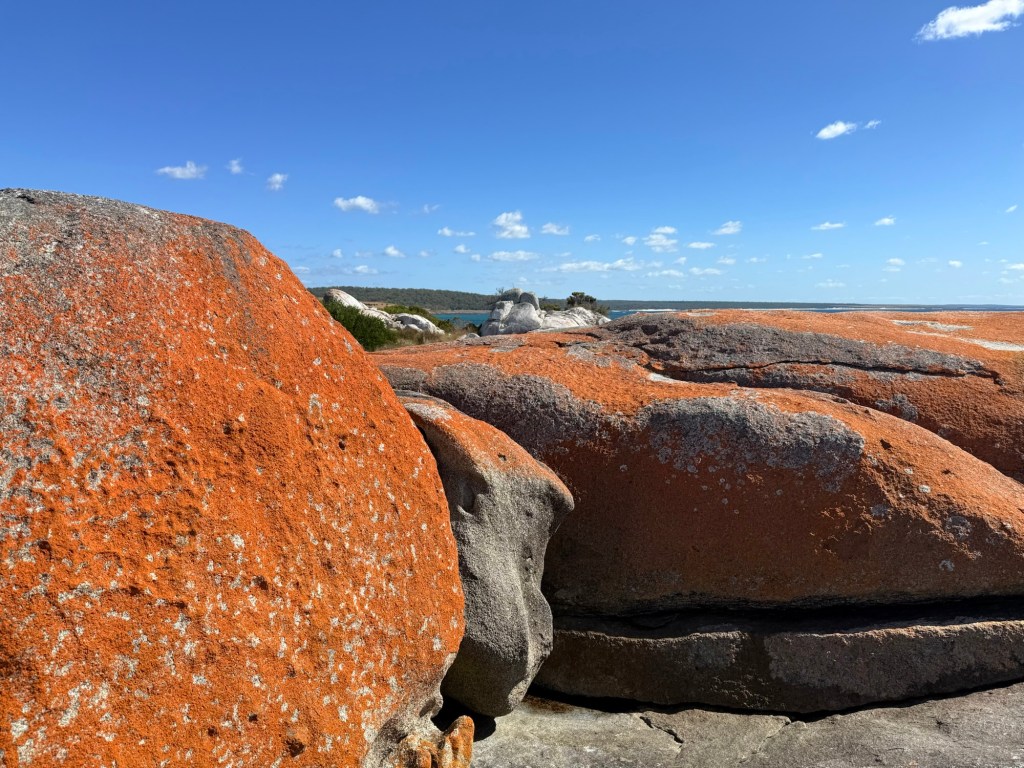
The walk on the rocks was awesome, the water crystal clear and even though it was noon, the redness of the rocks were quite vibrant.


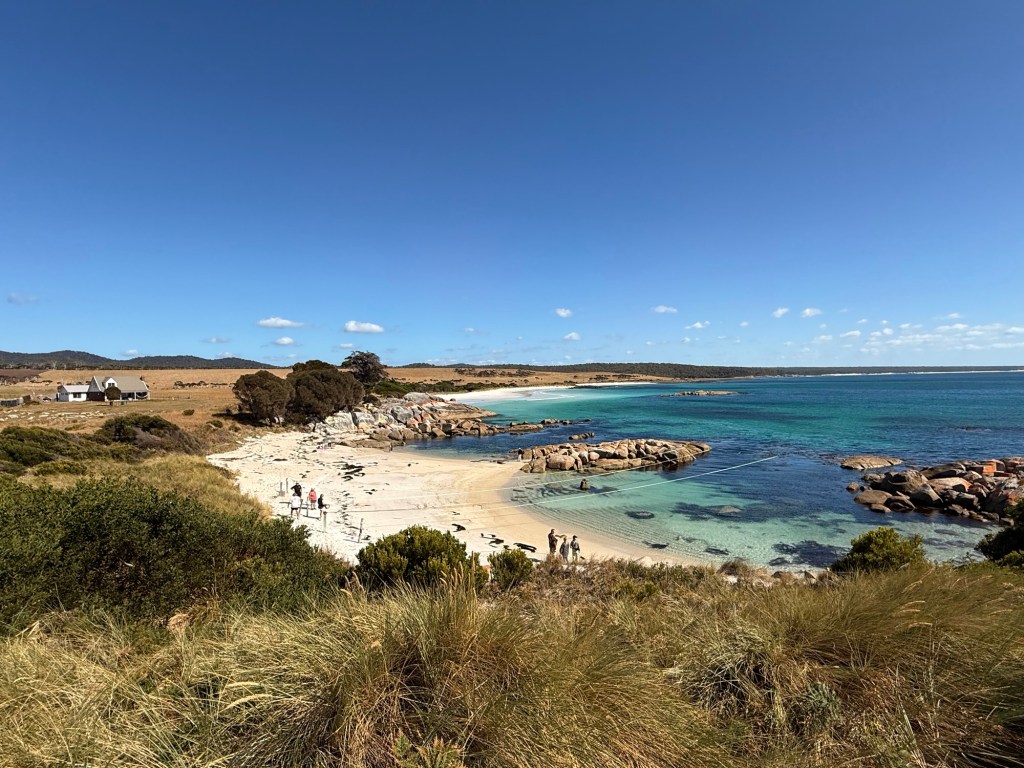
All along the coast there were pristine white beaches, the amount of stops we made along the road was countless. The times we said «wow, that is stunning!» were plentiful, it was a scenic overload of the senses.

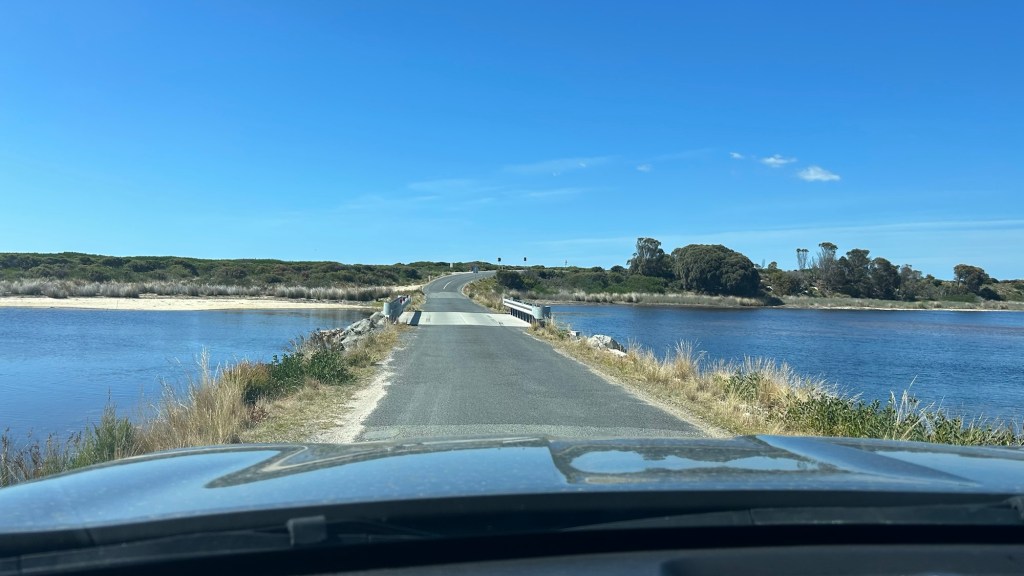
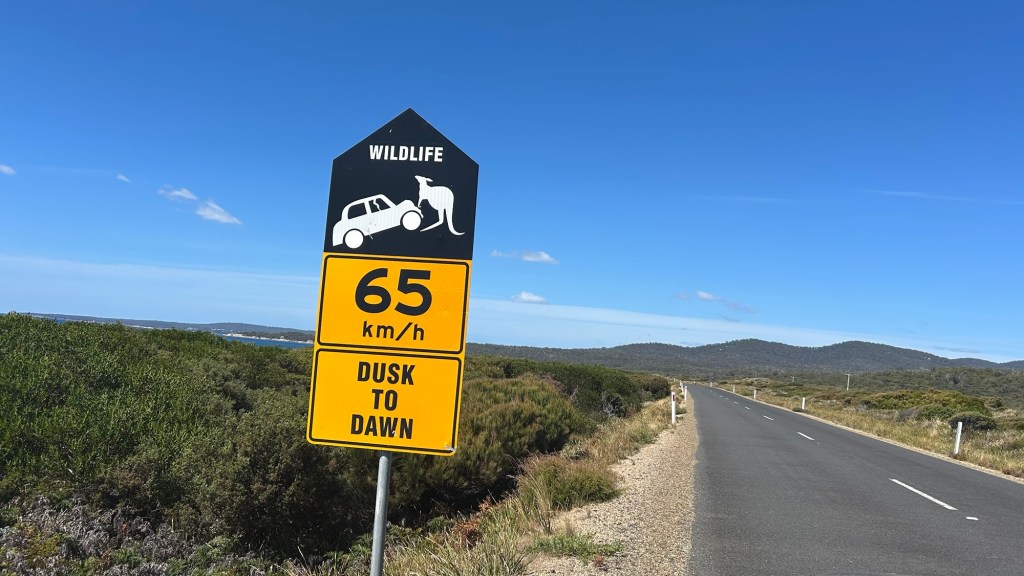

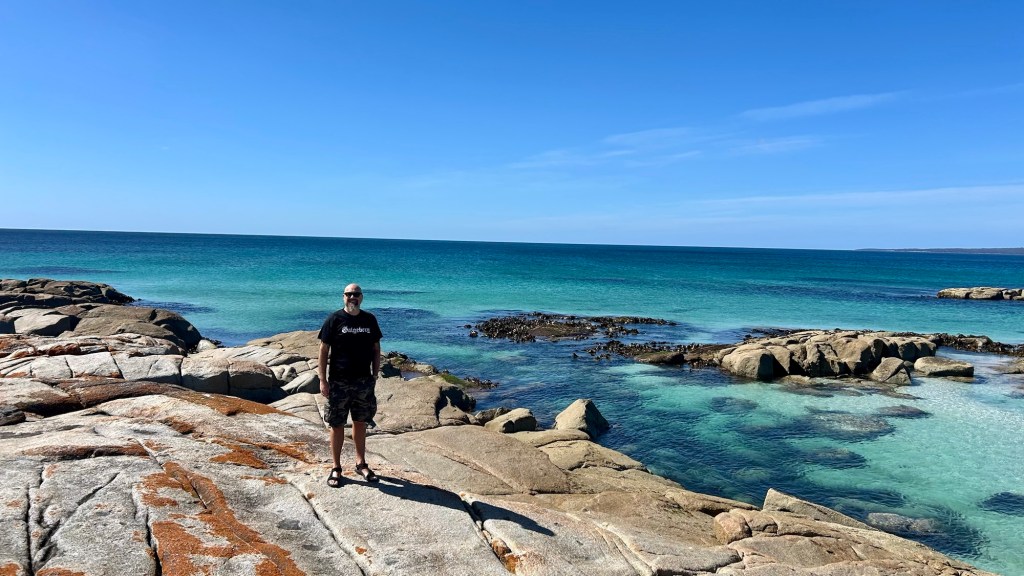


We used the town of St Helens as a base and spent the night there, it had good restaurants and coffee shops.


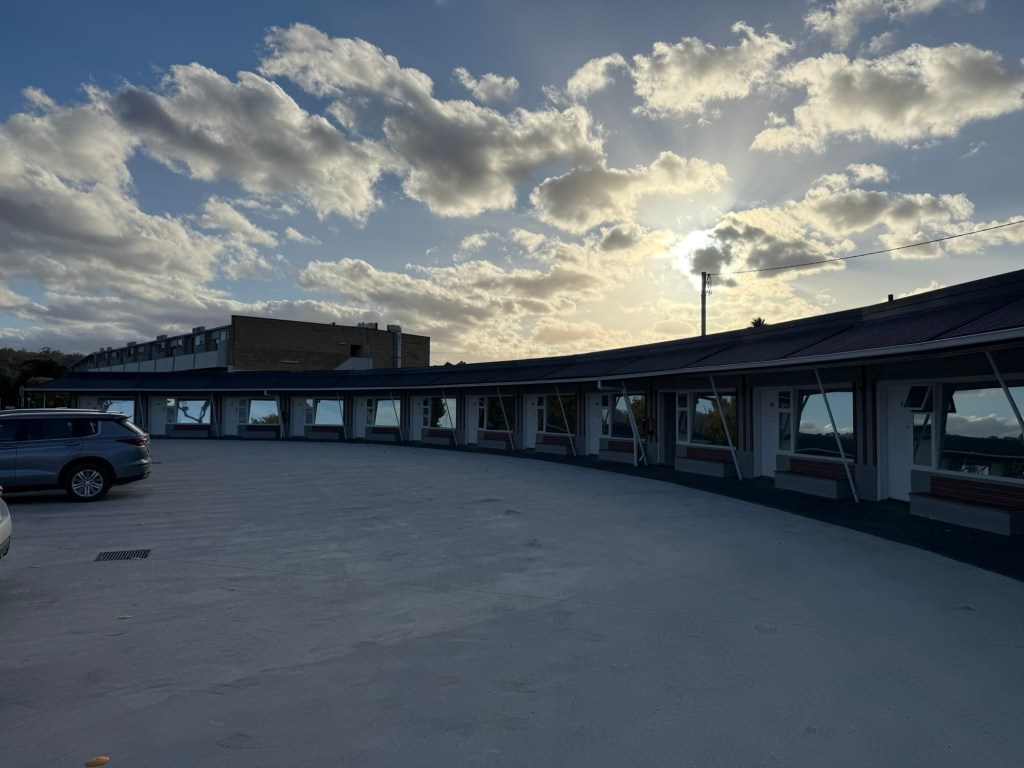

There are several beachside campgrounds within the conservation area. With no light pollution, the night skies here are spectacular — a stargazer’s dream.
Best Time to Visit: Summer (December to February) is ideal for swimming, but the shoulder seasons (spring and autumn) offer fewer crowds and equally stunning views. We visited late February and it was the perfect combo of warm weather and smaller crowds.
Respect the Land: This region has cultural significance to the Palawa people, the Aboriginal custodians of the area. Be mindful of signage and always follow Leave No Trace principles.
The Bay of Fires is a reminder that some of the world’s most beautiful places are still quiet, wild, and unspoiled. With its fiery rocks, sapphire waters, and peaceful beaches, it’s more than just a scenic spot — it’s an invitation to slow down and reconnect with nature.
If you’re planning a trip to Tasmania, carve out time for the Bay of Fires. Whether you stay for a few hours or a few days, it will leave a glowing impression that lasts a lifetime.




 Wremer Travels (yes, we do!)
This place looks amazing! I didn’t know about the Bay of Fires before, but now I really want to go. The orange rocks, clear water, and white sand look like a dream. Thanks for the tips about where to go and when to visit. I also appreciate that you mentioned respecting the land and its meaning for the local people. Great post!
LikeLike
Hi! Thank you, the Bay of Fires was truly spectacular and an absolute must if you go really down under to Tasmania. Respecting the tribal owners of all land is important.
LikeLiked by 1 person