Changing Plans on the South Island
After spending a little over a week on the South Island, it was time to cross over to the West Coast. Our original plan had long since been abandoned when we decided to make a great pivot — from Kaikōura all the way south to Milford Sound — to take advantage of good weather. Eventually, though, we needed to head west.

The West Coast forecast looked predictably wet — but this time it was torrentially wet. Still, we booked three nights in what looked like a stunning townhouse in Hokitika. We saw it as an opportunity to relax for a few days, and if the weather cleared, we could take day trips south or explore other nearby spots. If not, we were perfectly happy to stay indoors and read.

Overnight in Methven
After visiting Edoras, we stayed the night in Methven, where we found cheap accommodation in what felt like an off-season ski town.
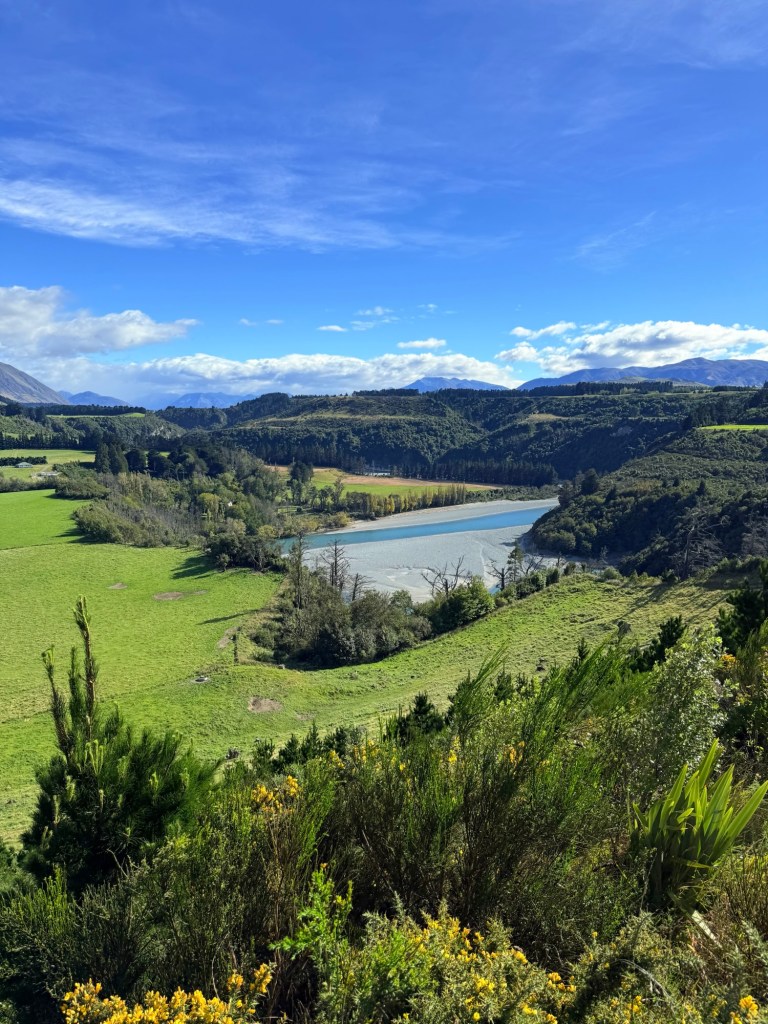

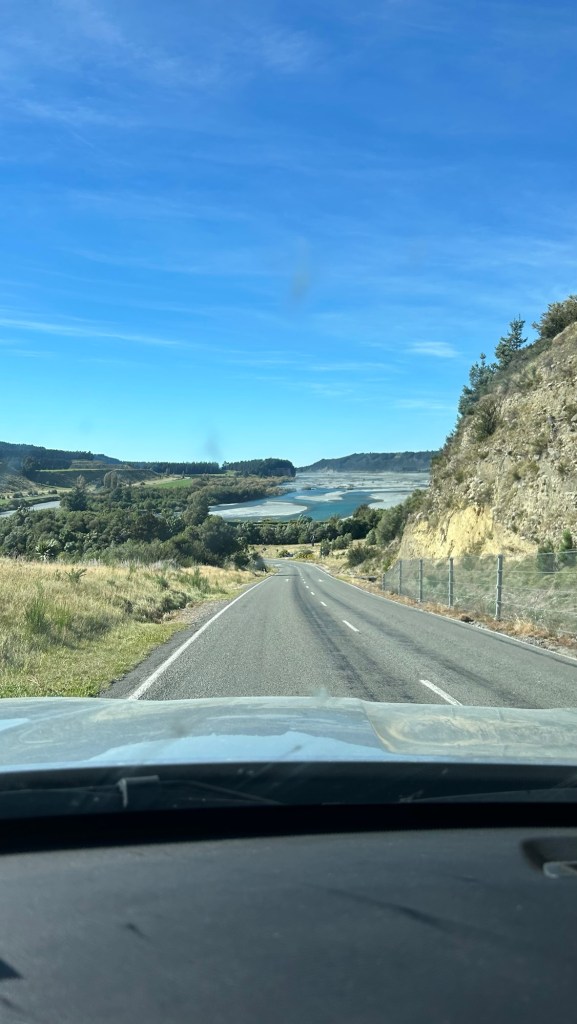
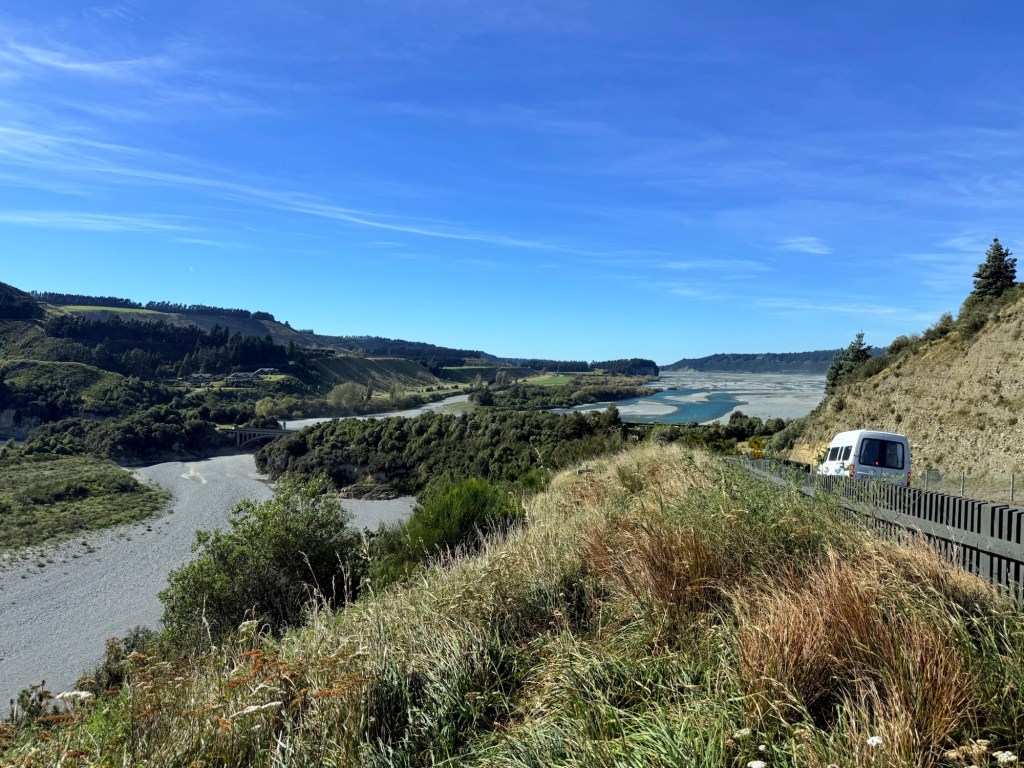
The next morning, we crossed the Rakaia Gorge, a place steeped in Māori legend and perfect for a few scenic photos. Shortly after, we got caught in a classic New Zealand traffic jam — hundreds of sheep filling the road, herded expertly by dogs.
Exploring Castle Hill and Kura Tāwhiti
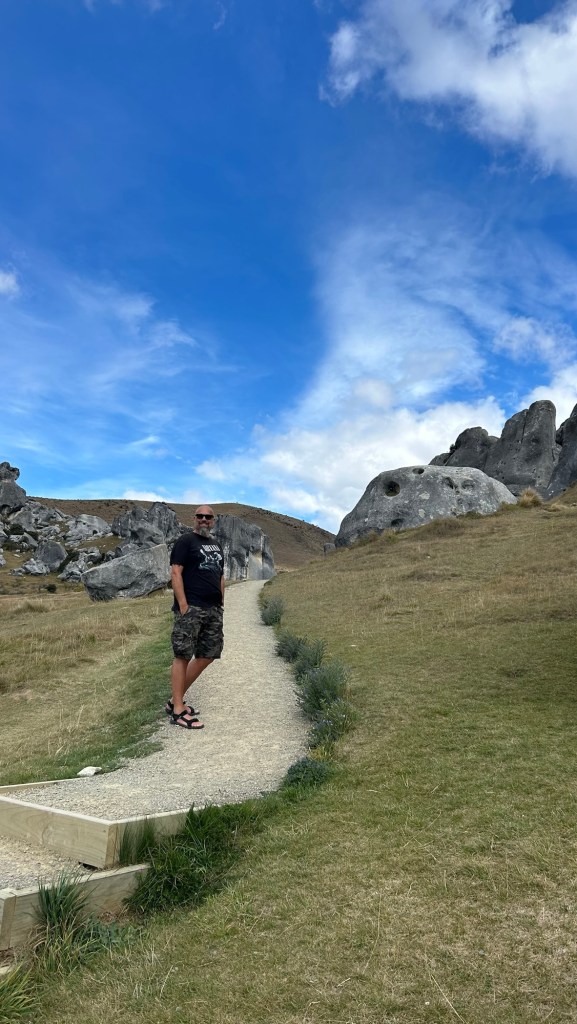
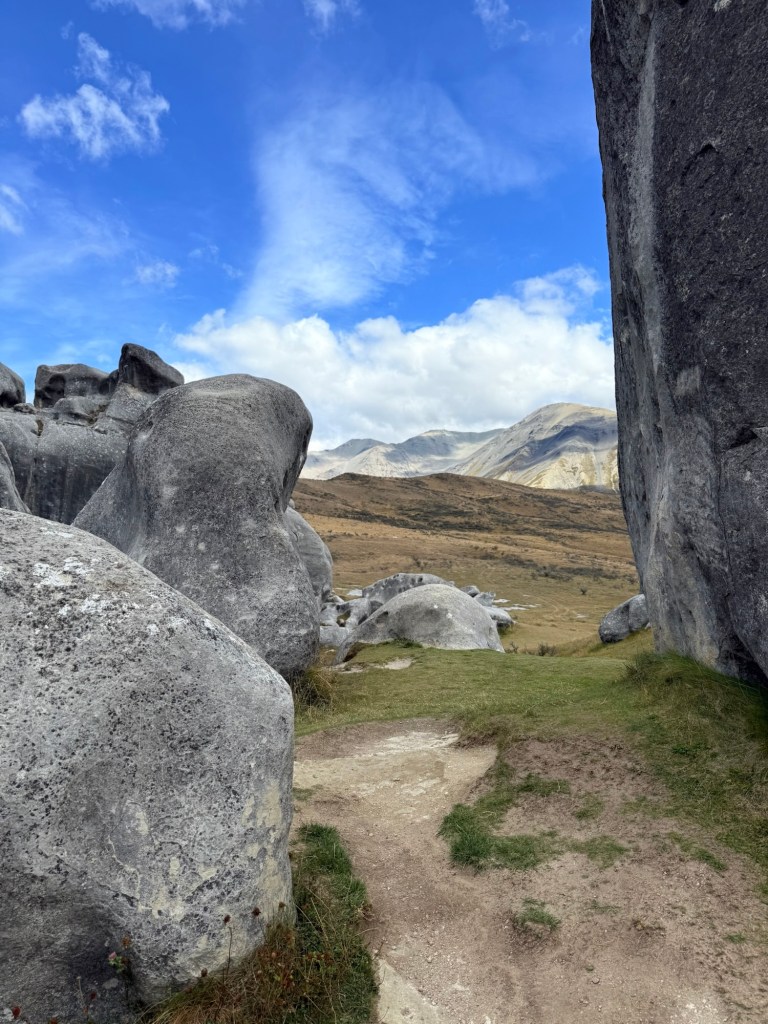
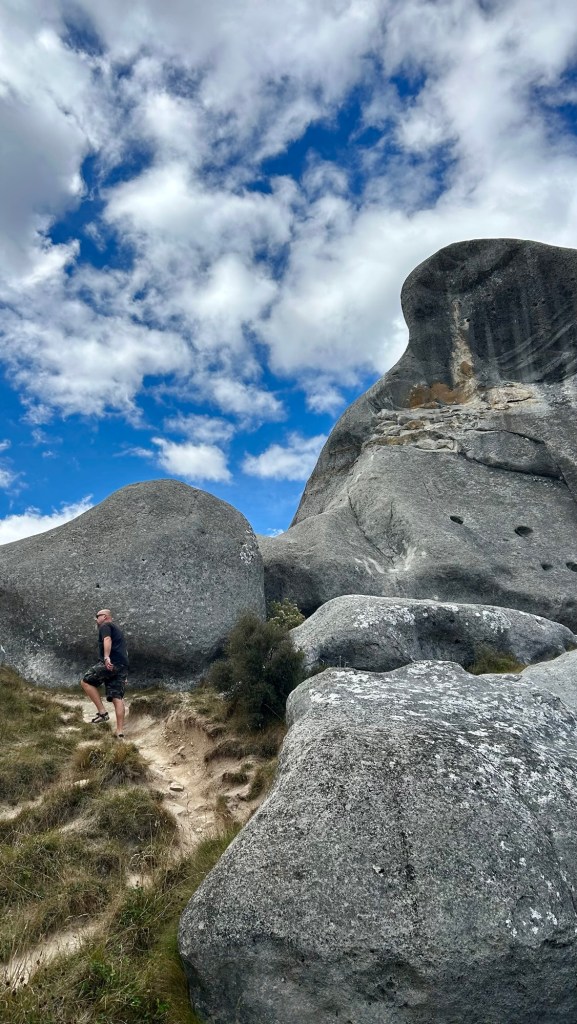
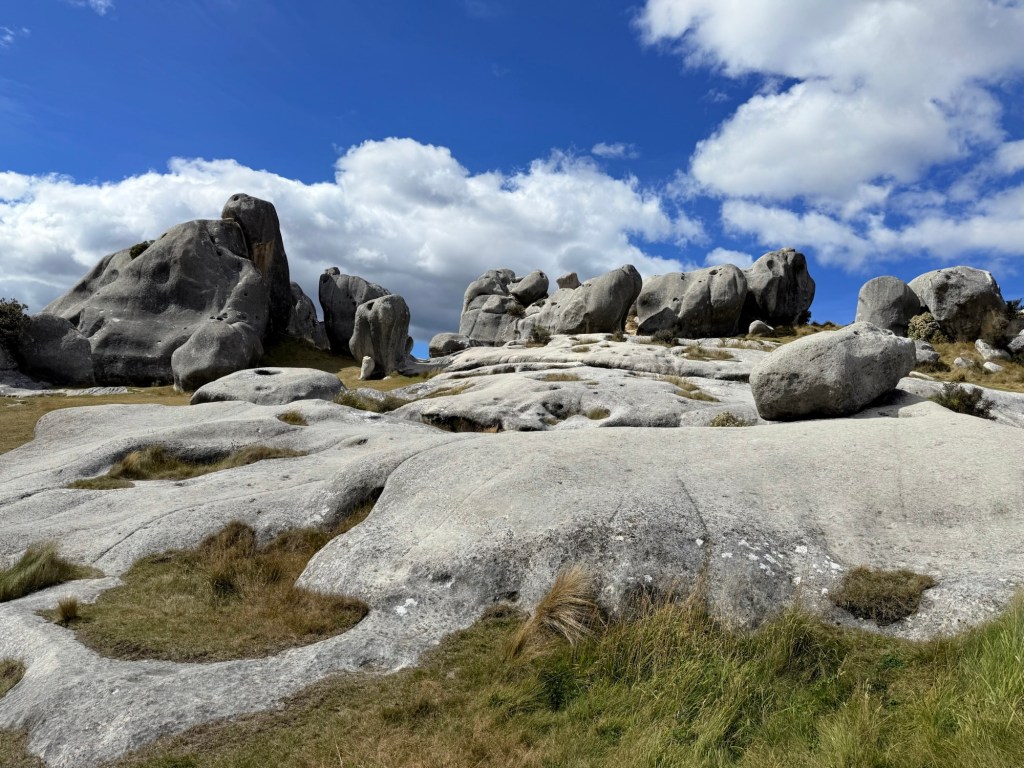
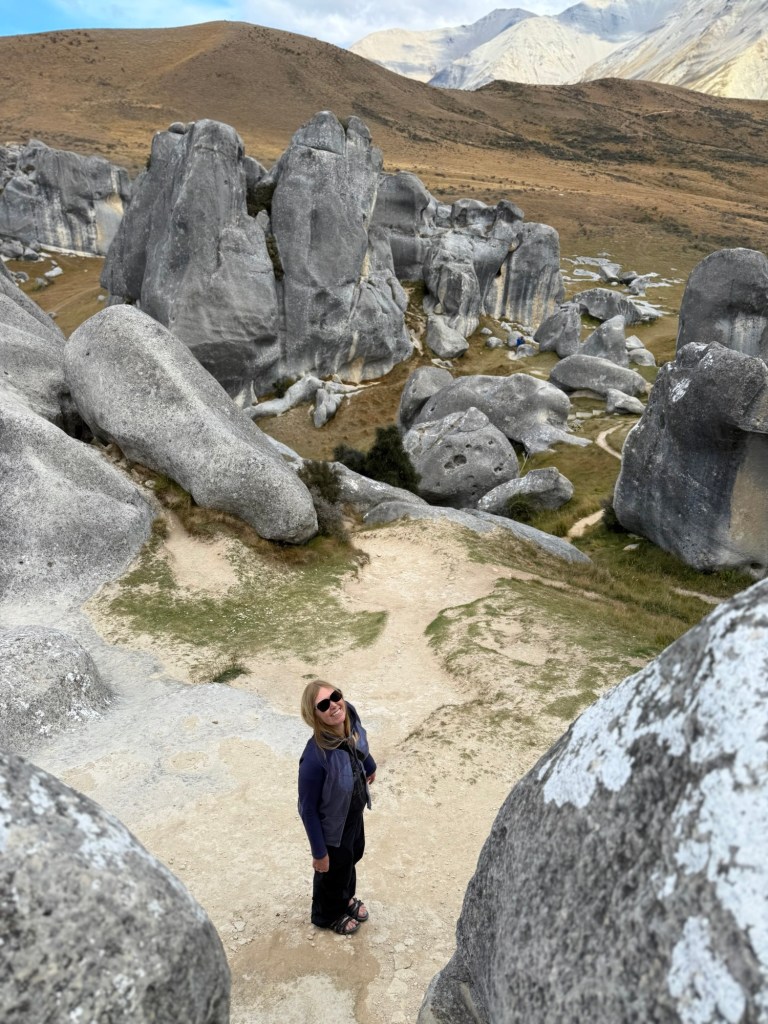
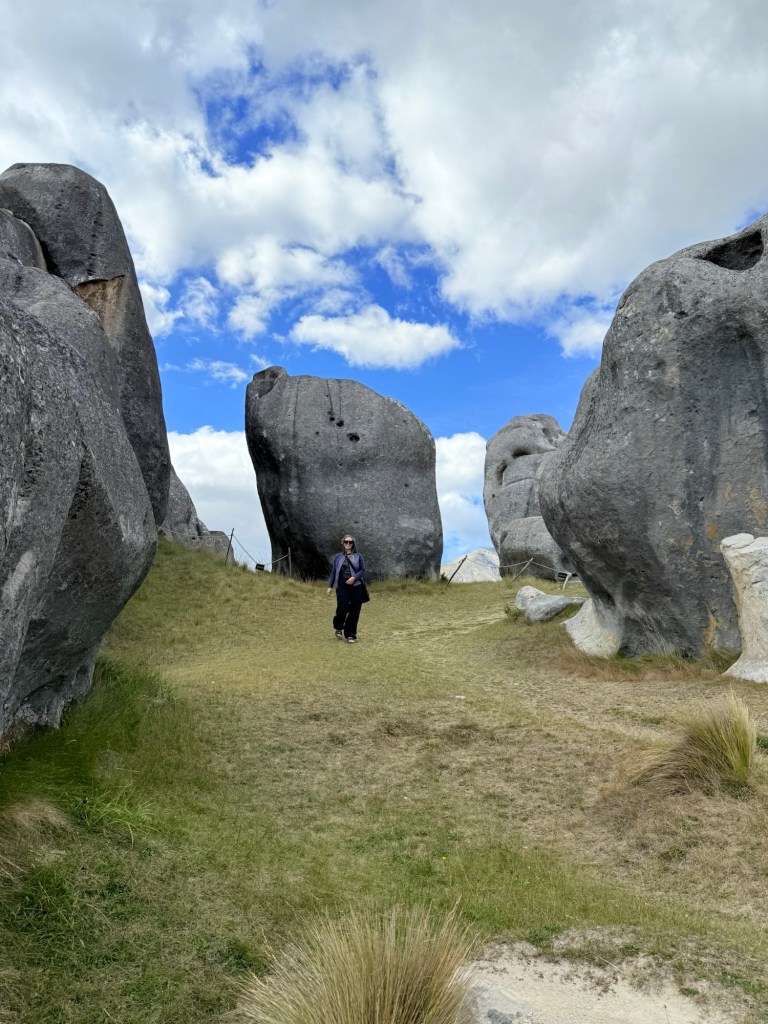
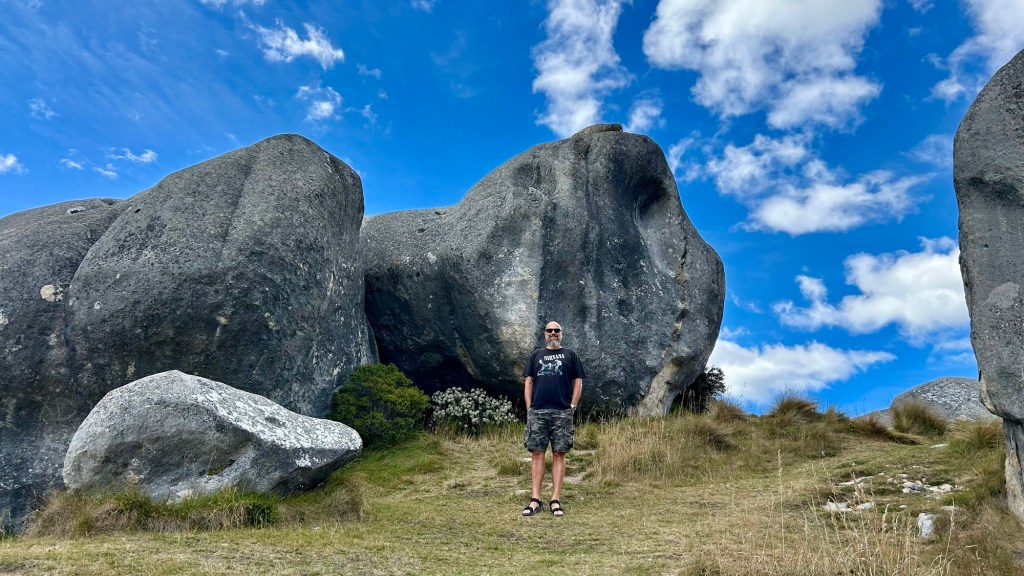
We joined the West Coast Road toward Arthur’s Pass, but our first spectacular stop was Castle Hill Rocks in the Kura Tāwhiti Conservation Area.
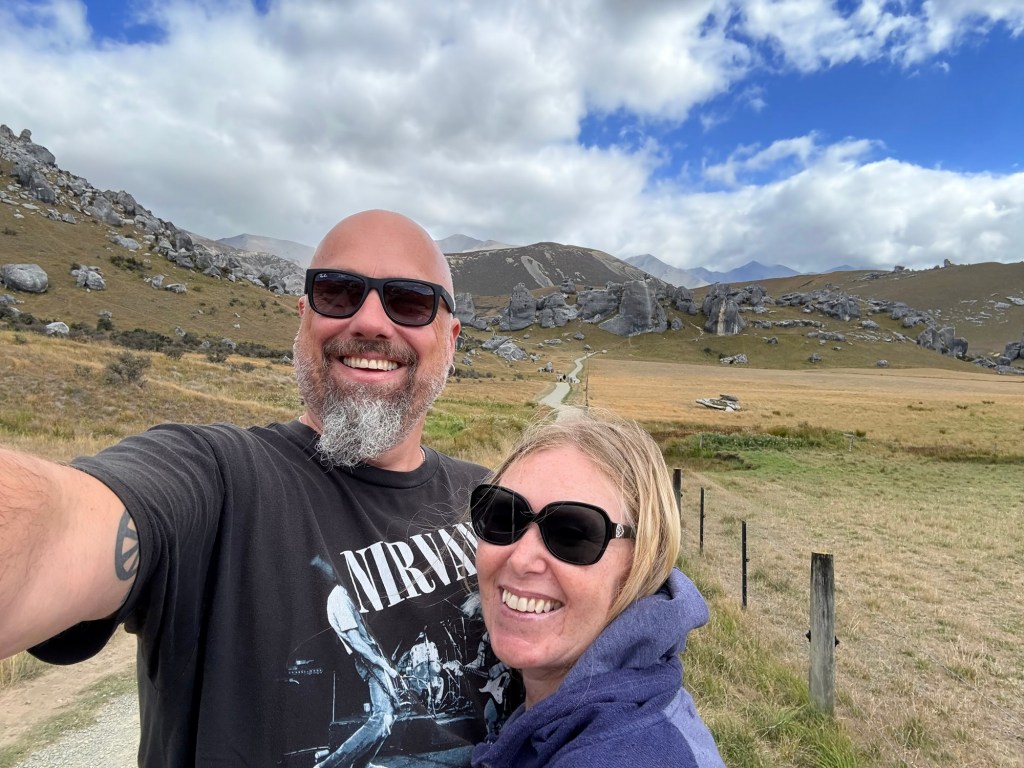

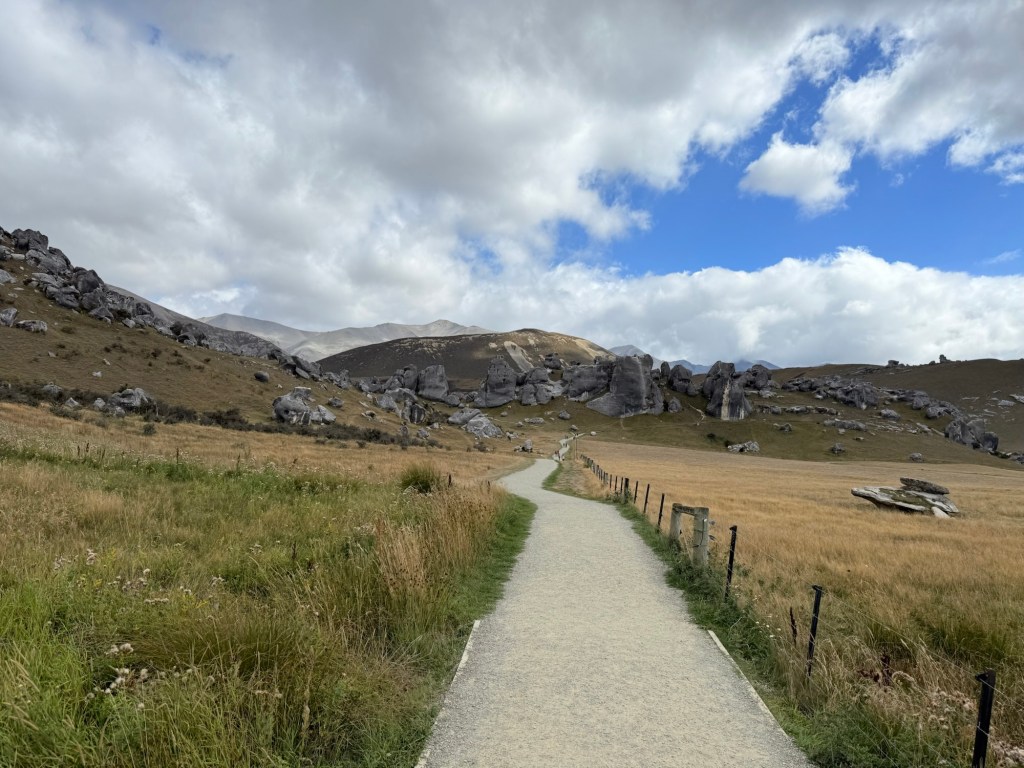
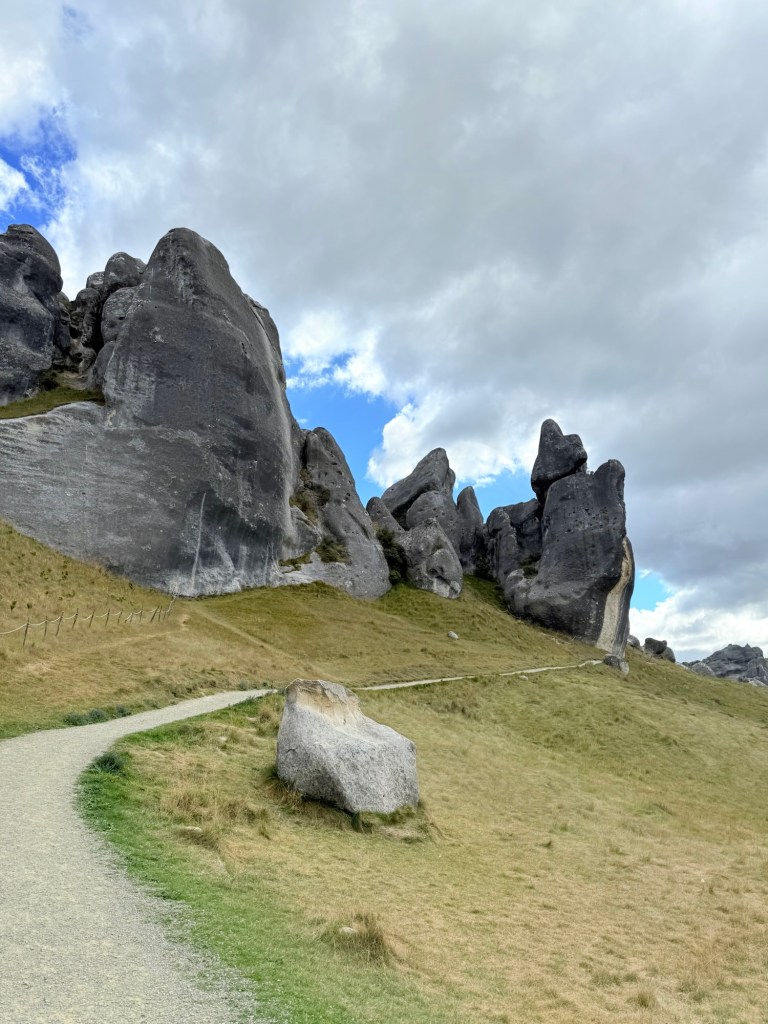
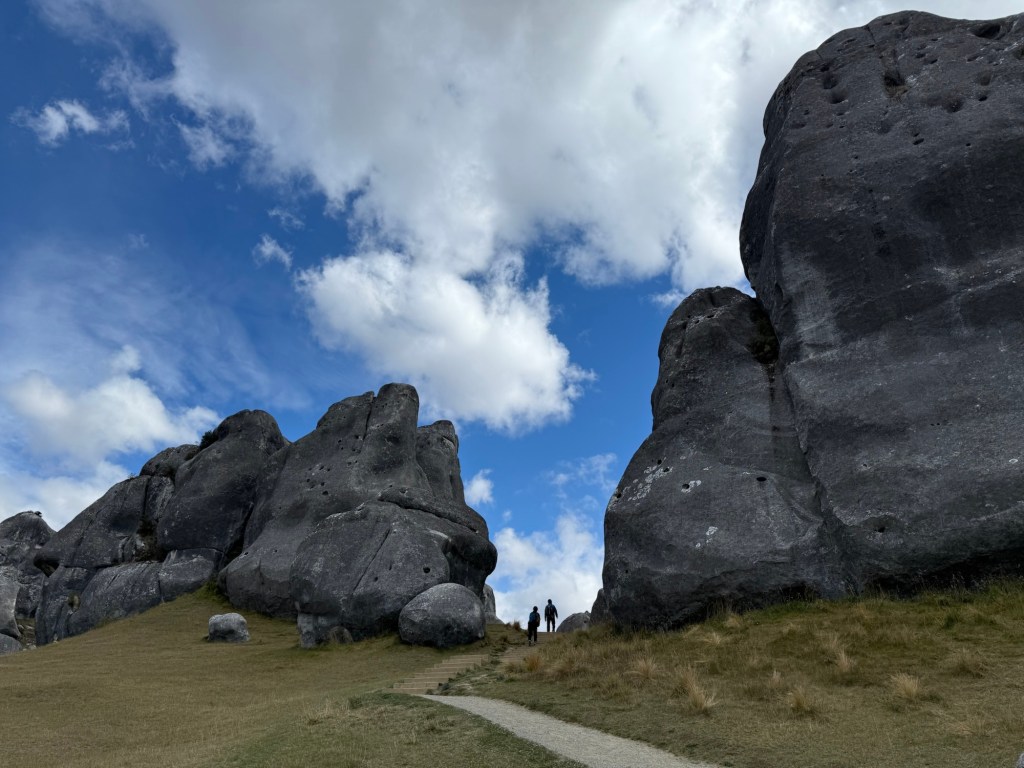
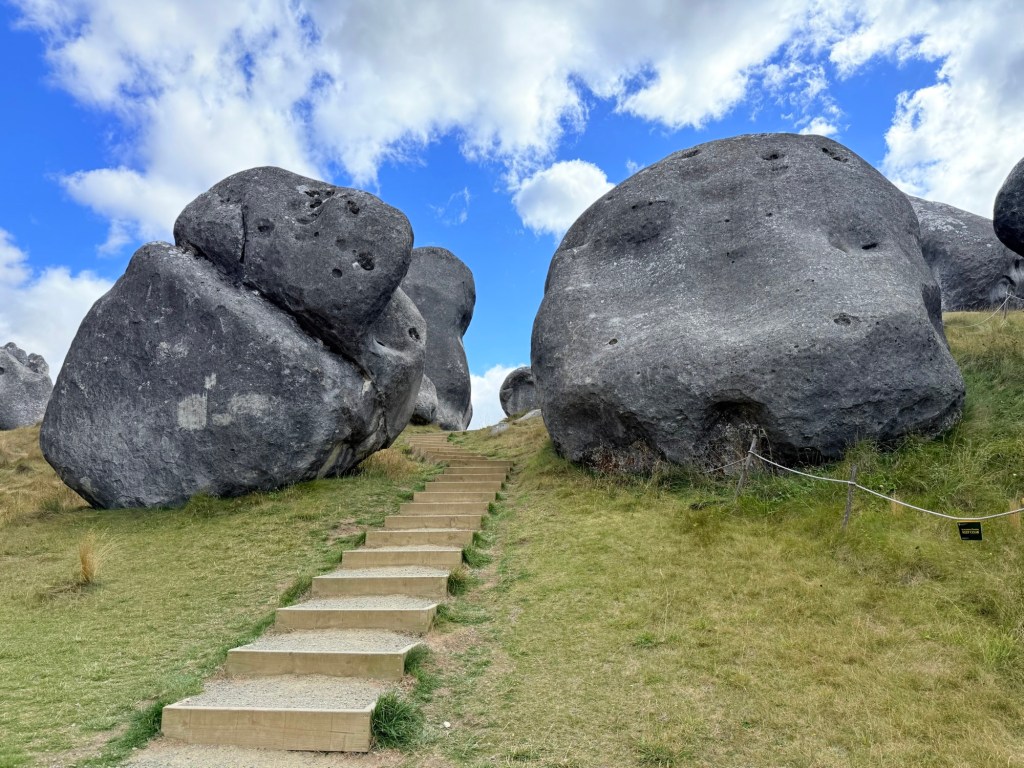
The grand limestone outcrops of Kura Tāwhiti hold great cultural significance for Ngāi Tahu, with ties stretching unbroken from ancient ancestors to present generations. The geology here is a fascinating mix of tertiary limestone, mudstone, sandstone, and tuffs — all formed from layers of organic sediment deposited in deep oceans long ago.

This area is also home to New Zealand’s first reserve established specifically to protect a single plant species — the Castle Hill buttercup (Ranunculus paucifolius).
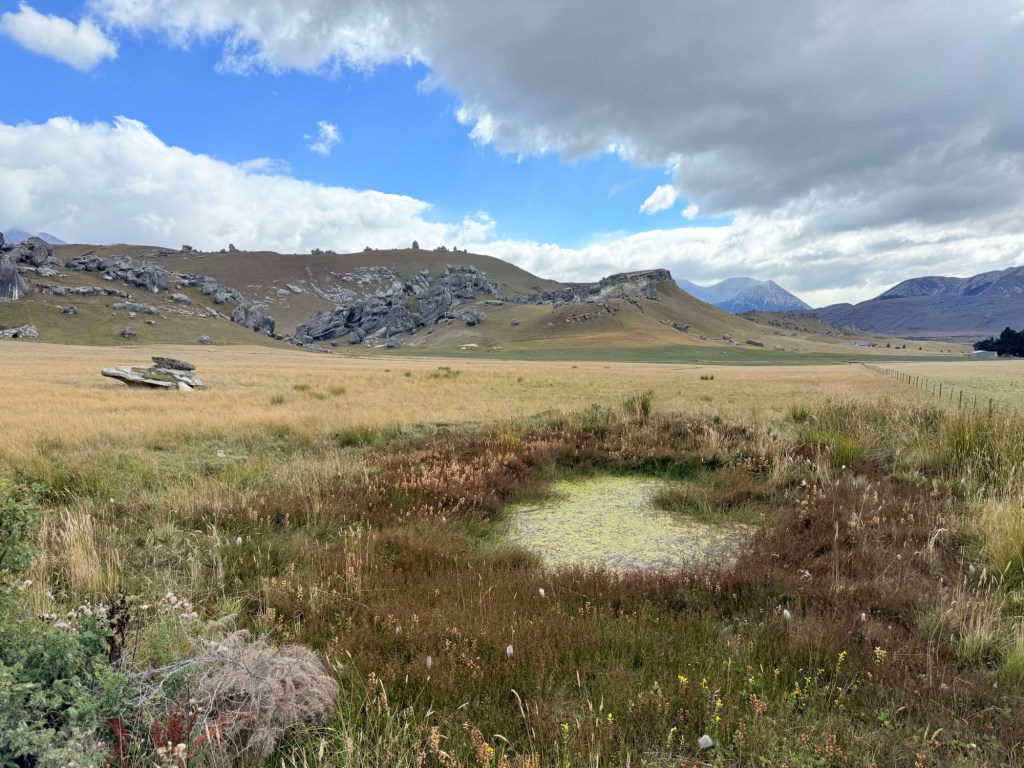
Kura Tāwhiti literally means “the treasure from a distant land,” referring to kūmara (sweet potato) once cultivated in the region. The area was claimed by the Ngāi Tahu ancestor Tane Tiki, son of the celebrated chief Tūāhuriri. The nearby mountains were famed for kākāpō, whose soft skins and glowing green feathers were prized for clothing to be worn by his daughter Hine Mihi.
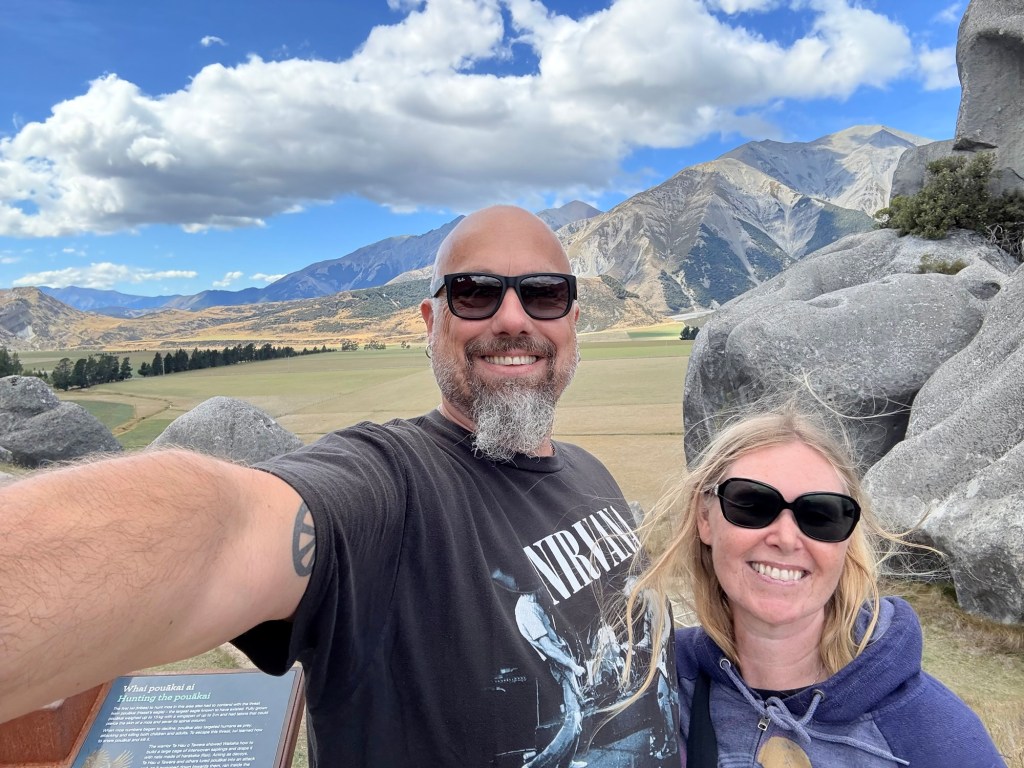
Walking the paths that wind through the rocks and rolling landscape was an incredible experience — an imposing place where the limestone formations stand like sentinels guarding the plains.
Through Arthur’s Pass in the Rain
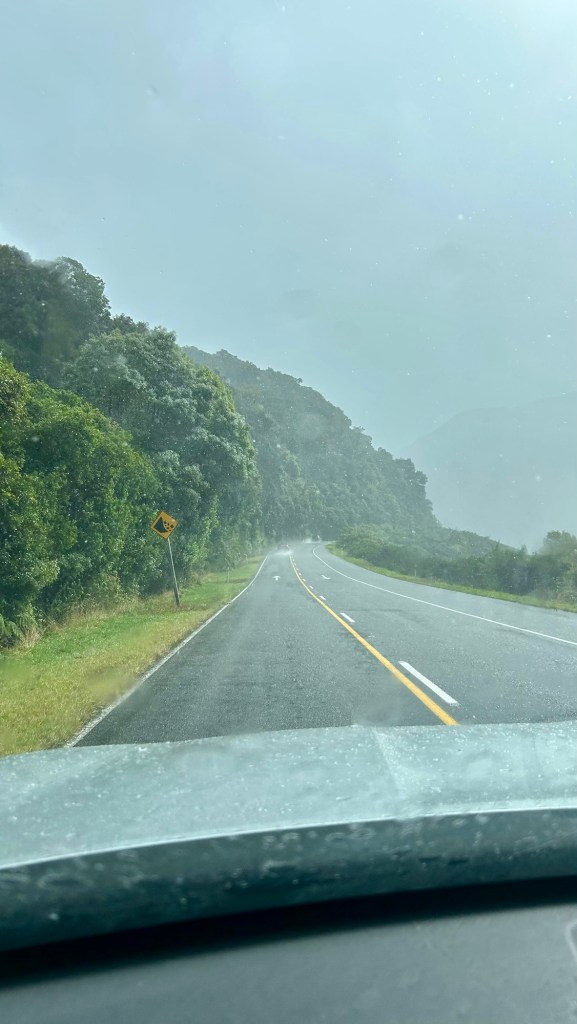
As we continued west, clouds rolled in and the weather began to turn. We had hoped to spot the famous alpine parrot, the kea, in Arthur’s Pass, but they had wisely taken shelter from the pouring rain.
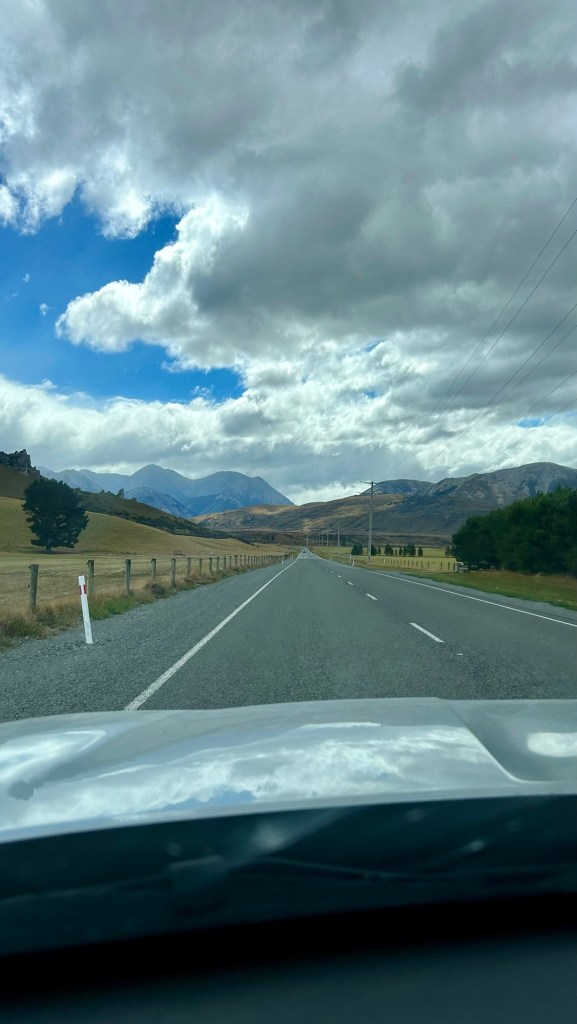

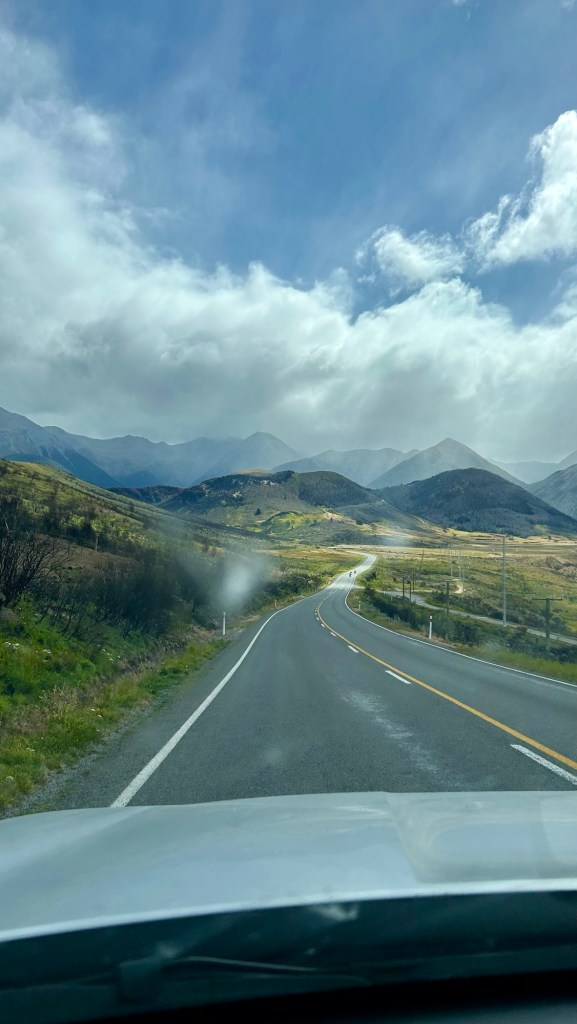
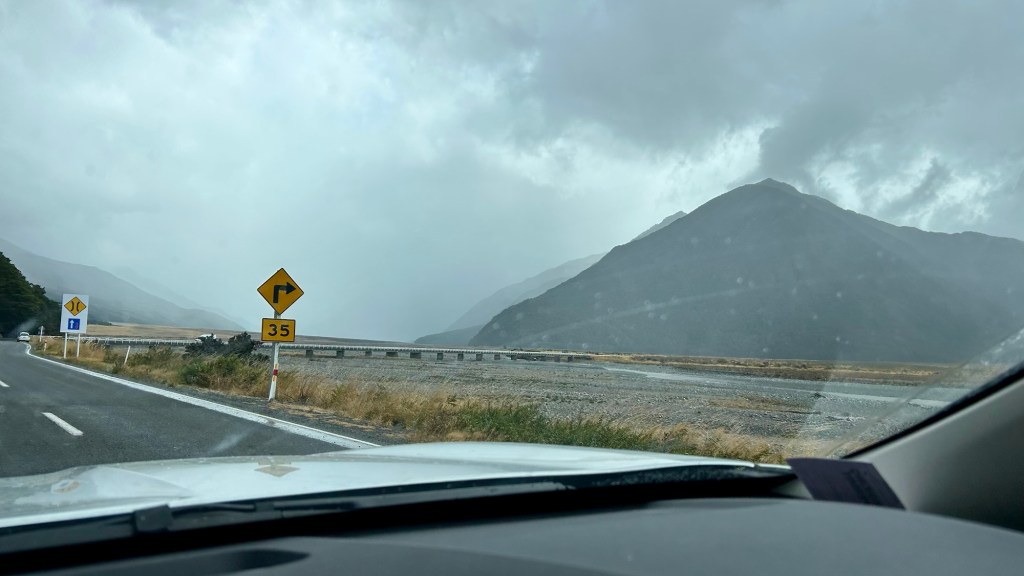

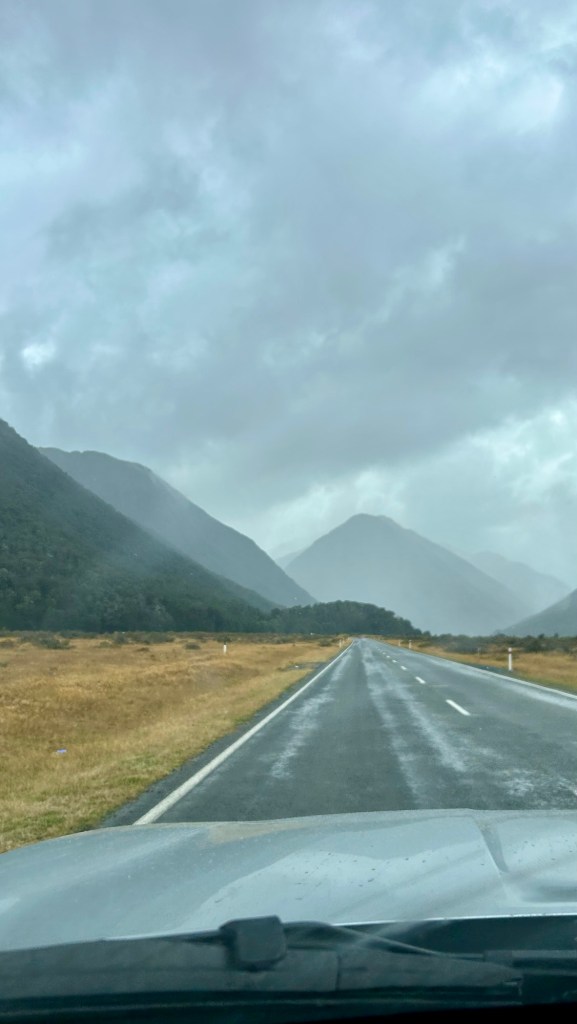
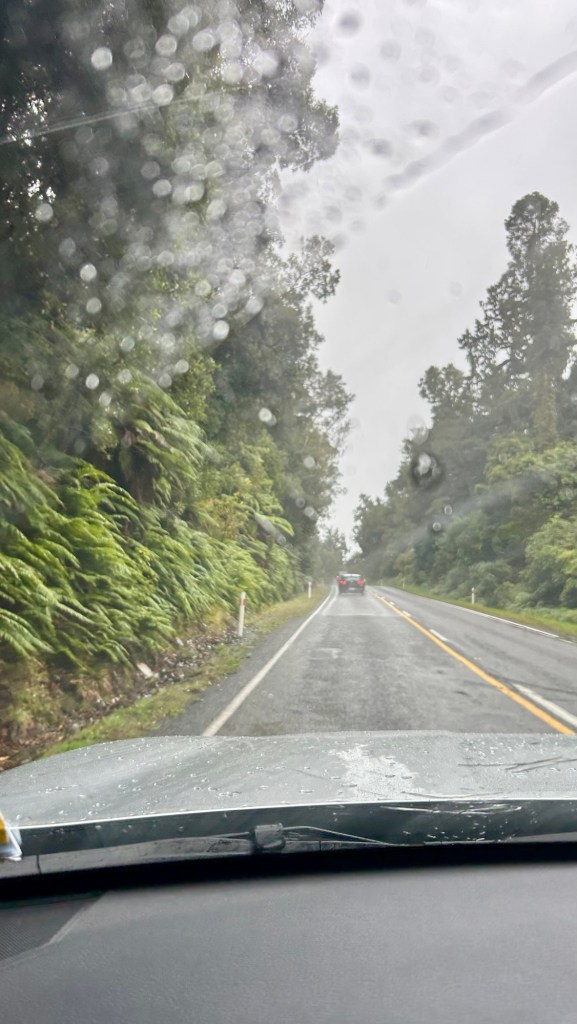
The Otira Viaduct and Otira Gorge are undeniably spectacular, but driving through them in torrential rain felt a bit like going through a car wash.
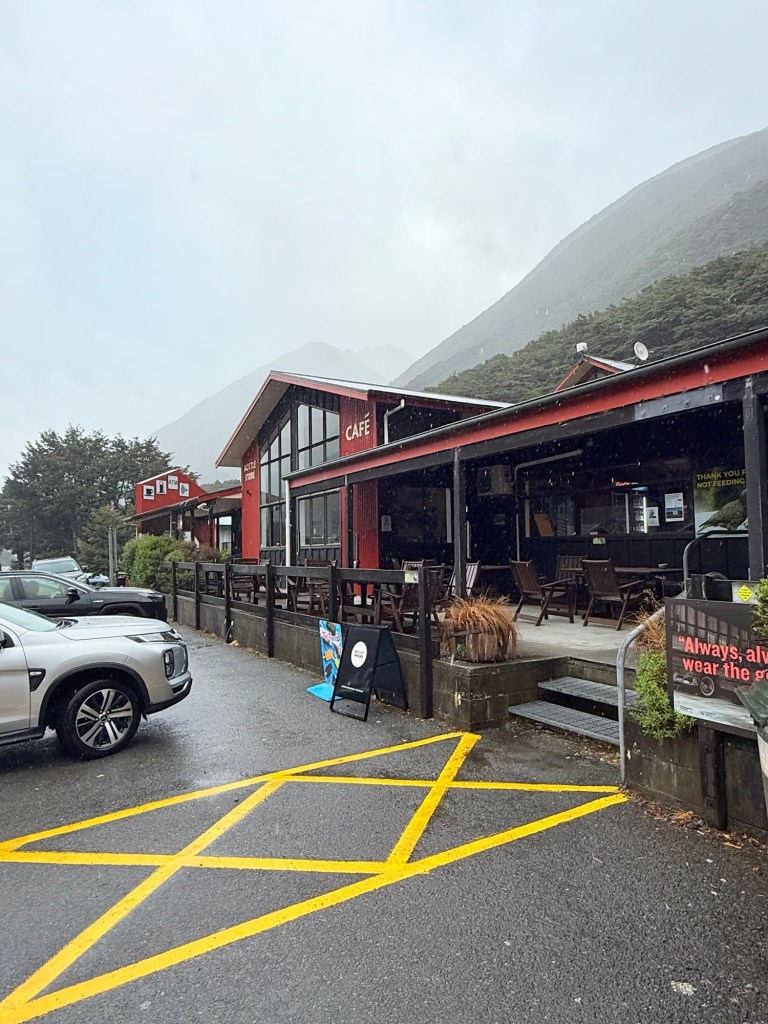
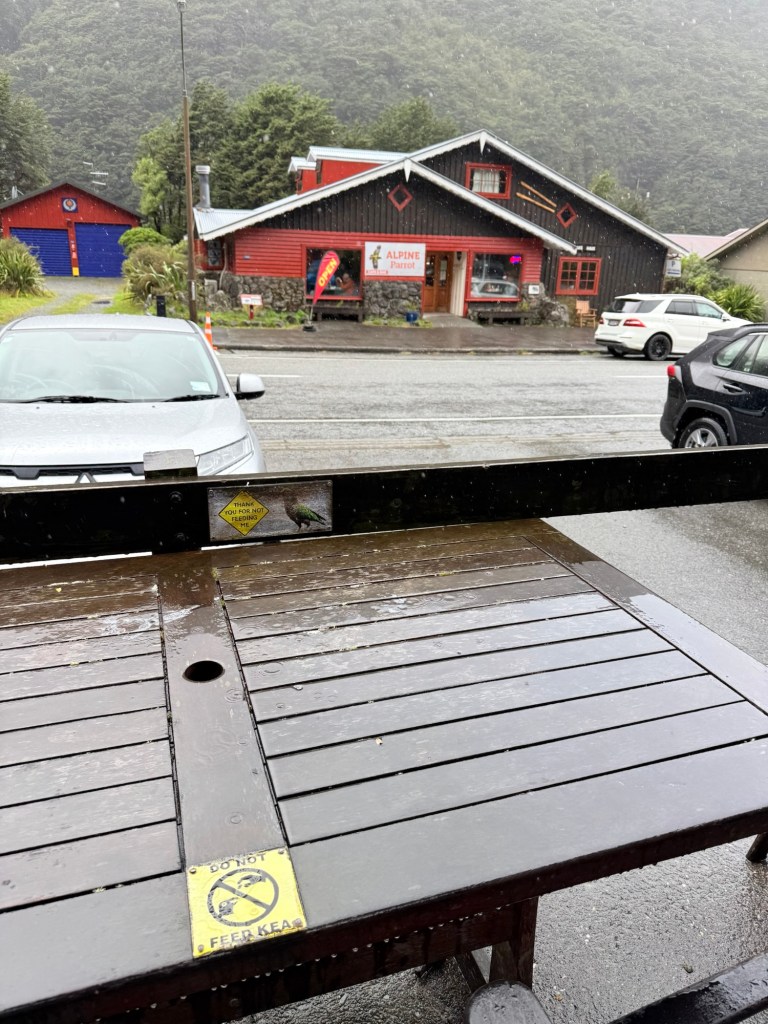
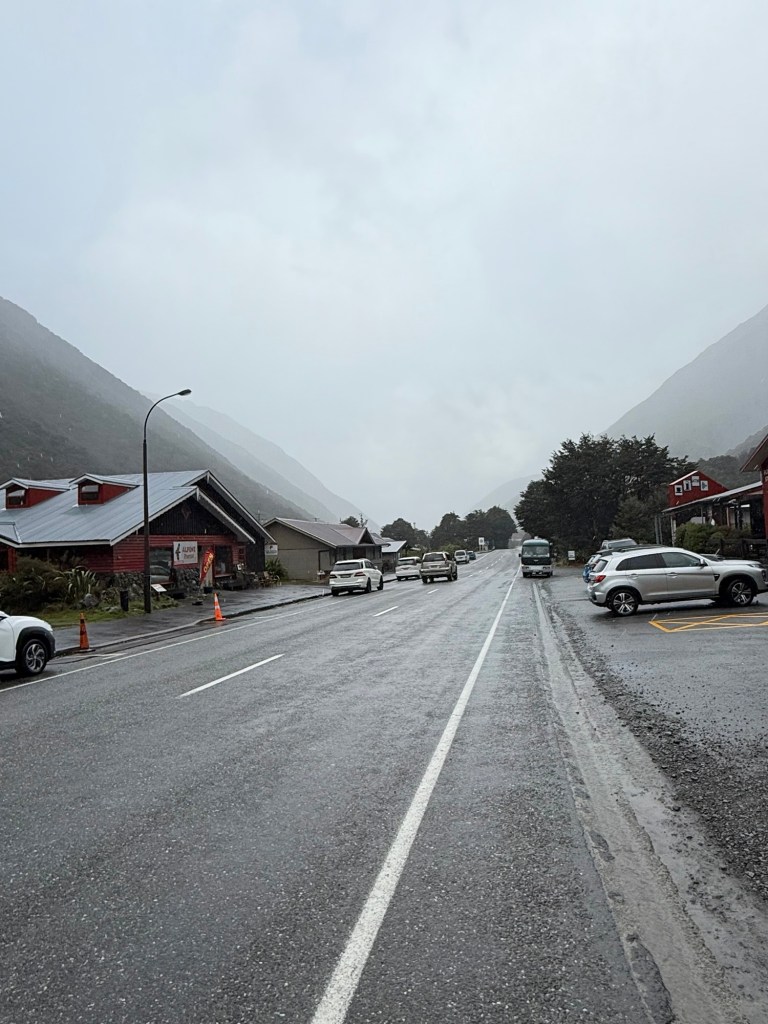
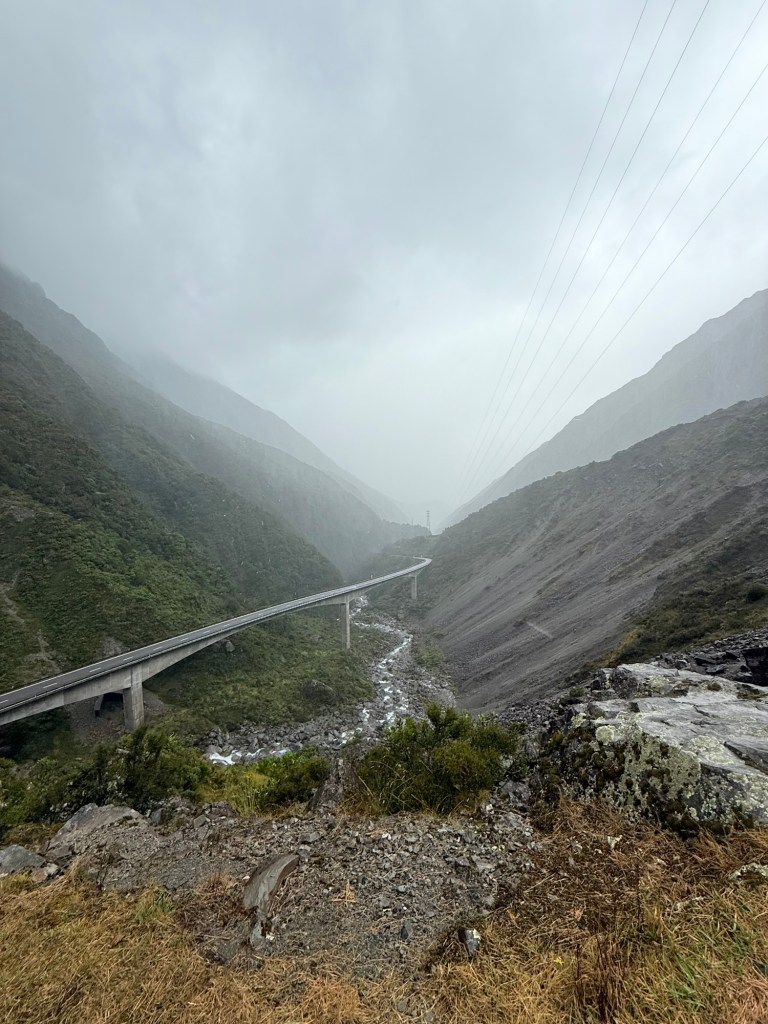


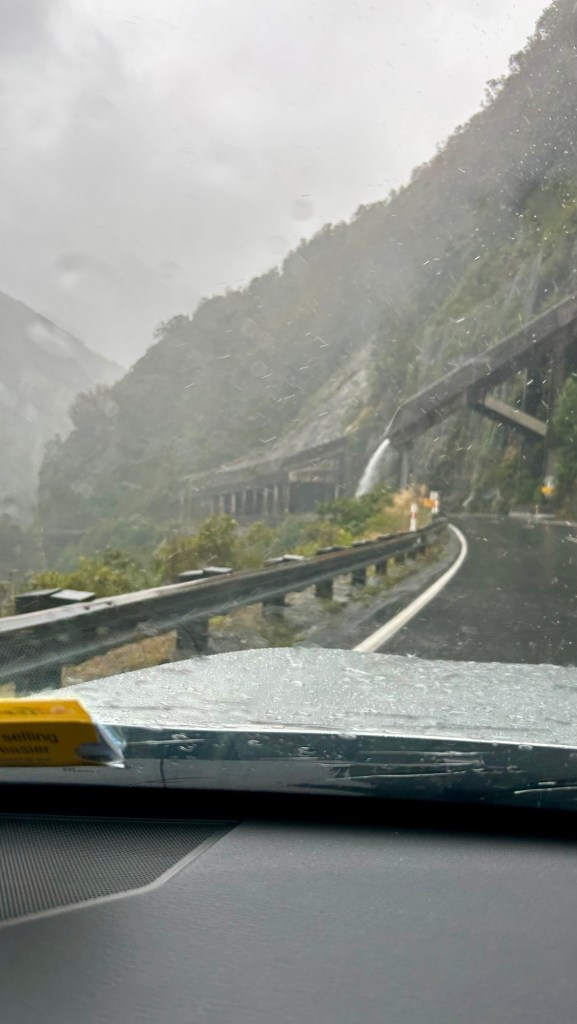
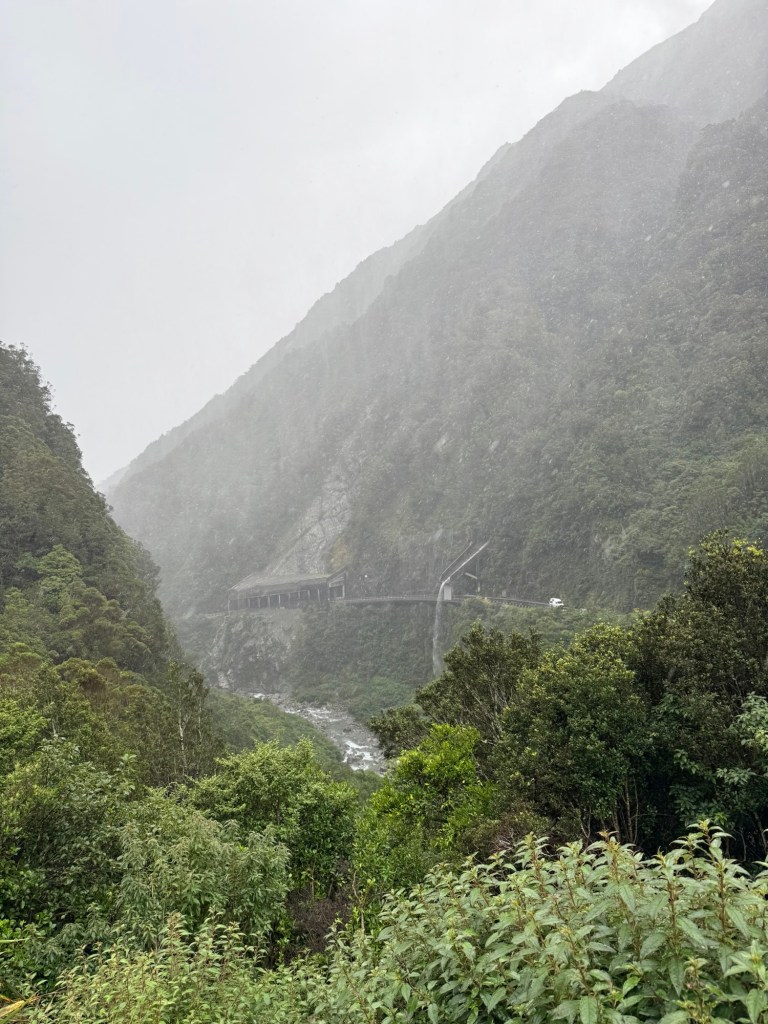
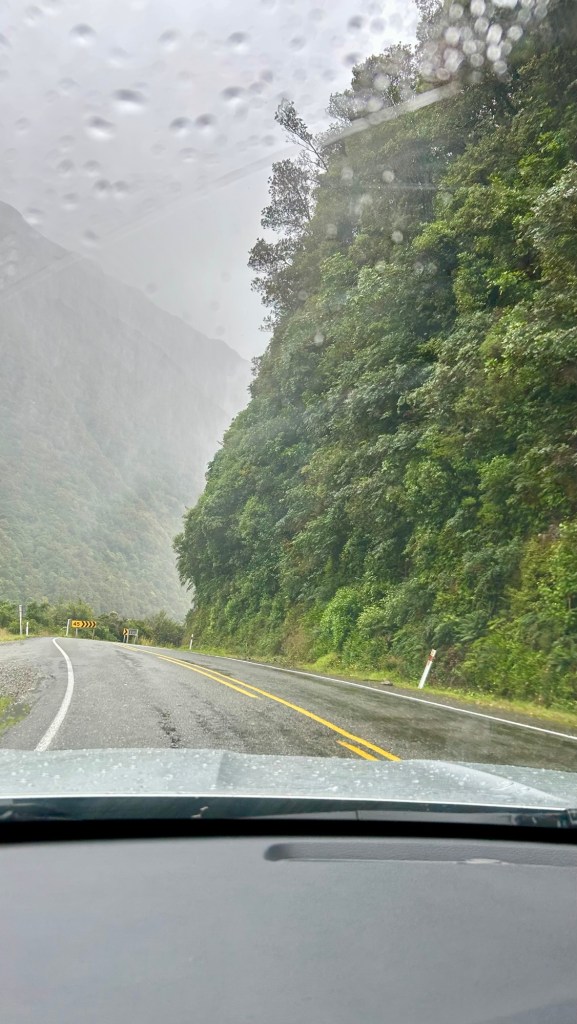
Still, it was fascinating to see the vegetation shift — the landscape turned into a lush, hyper-green world of tree ferns, completely different from the drier East Coast.


Arrival in Hokitika
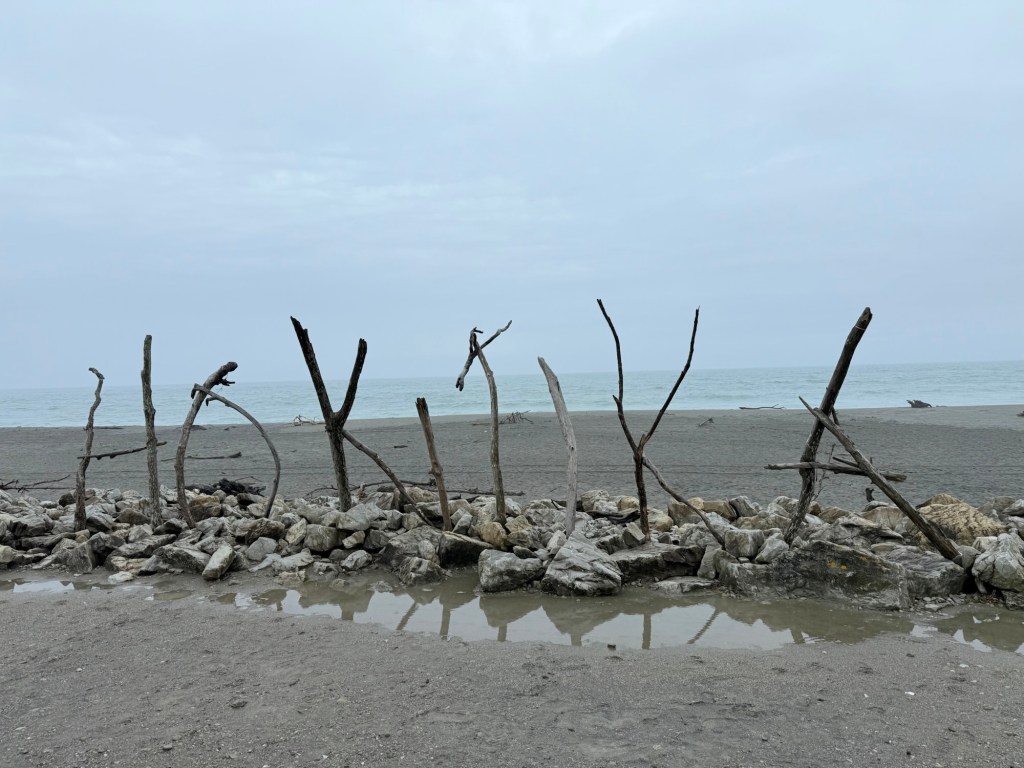
We reached Kumara Junction, turned left, and followed the coast down to Hokitika. After stocking up at the supermarket for a few days indoors, we arrived at our townhouse in the city centre.
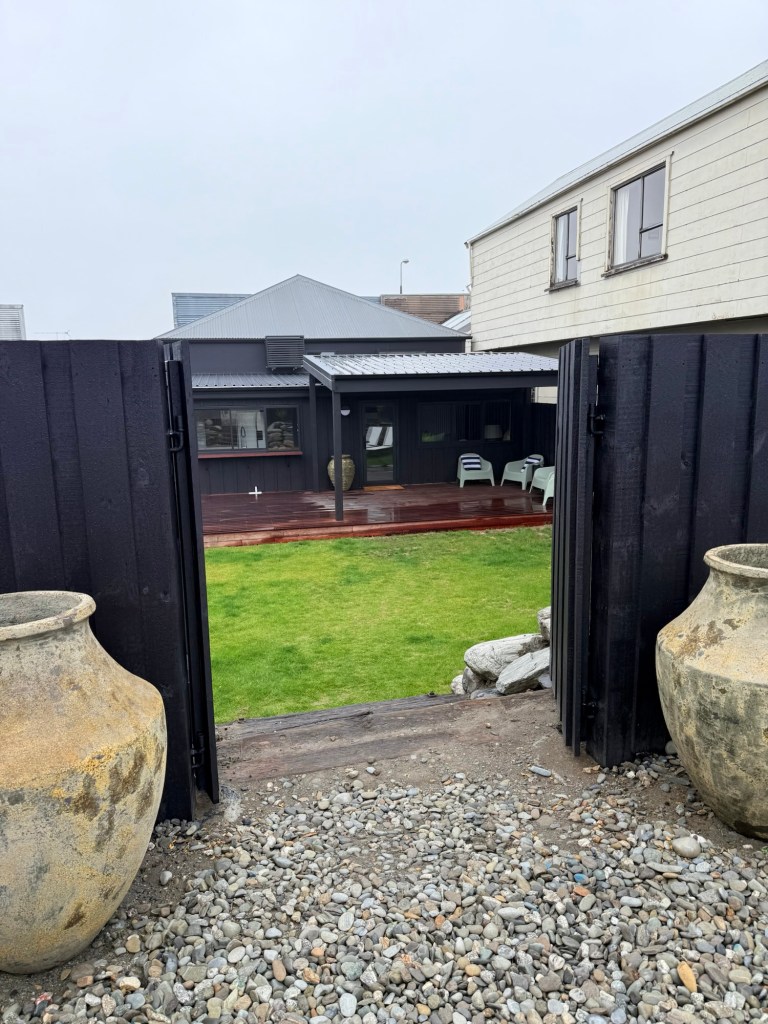
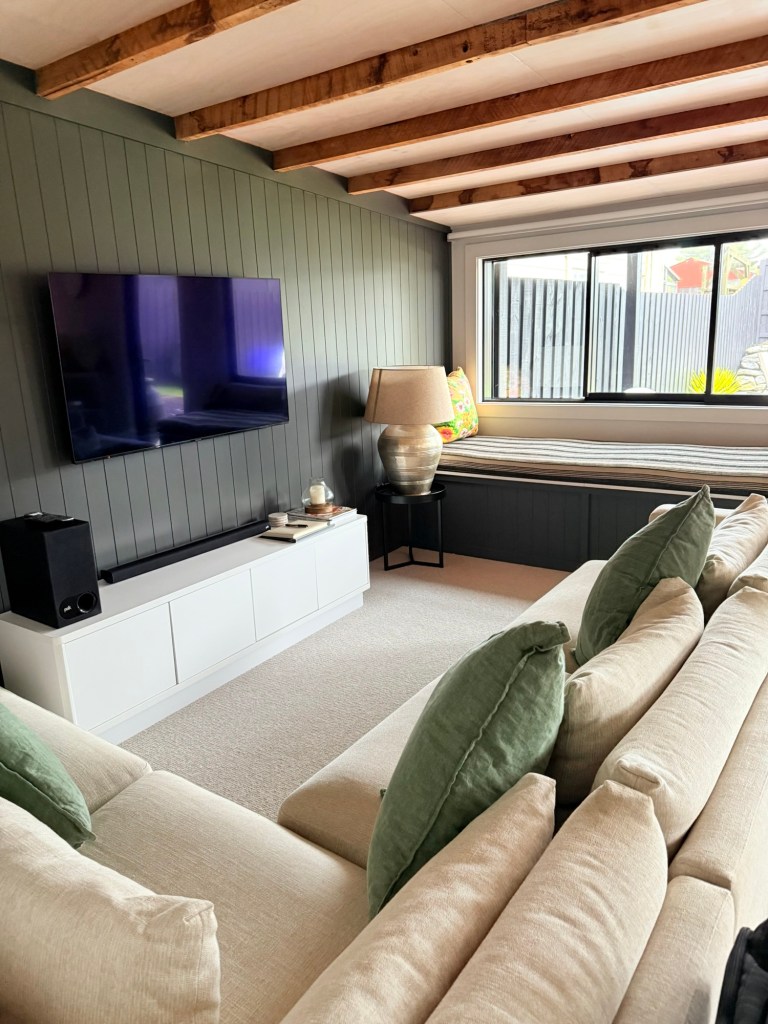

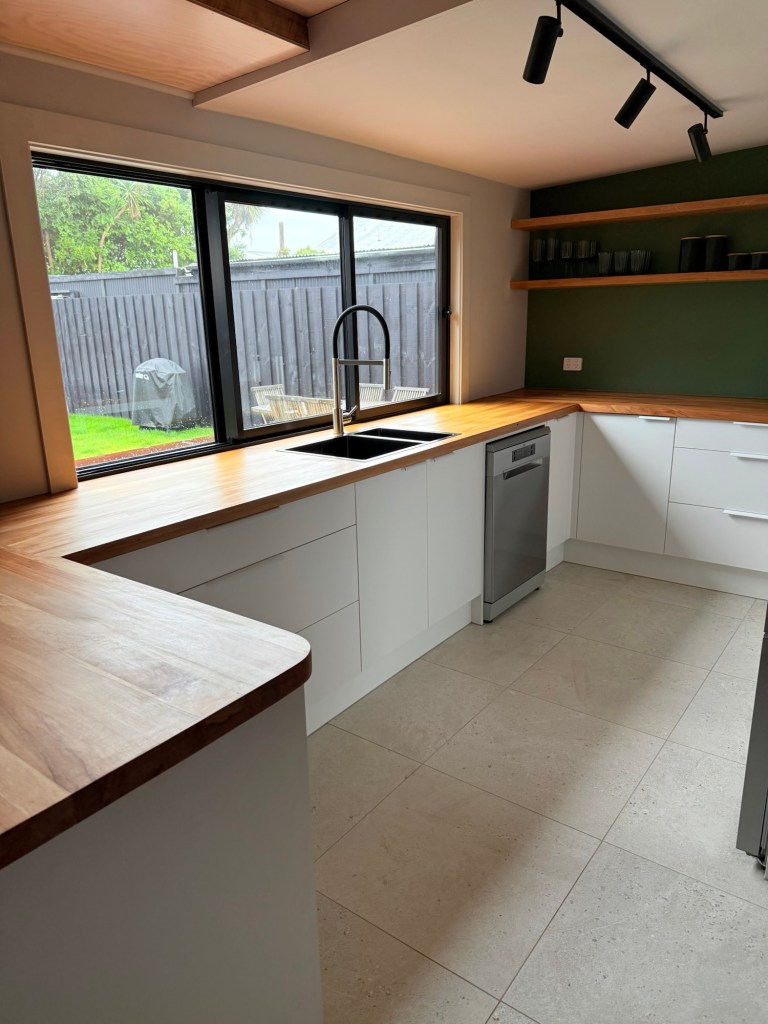

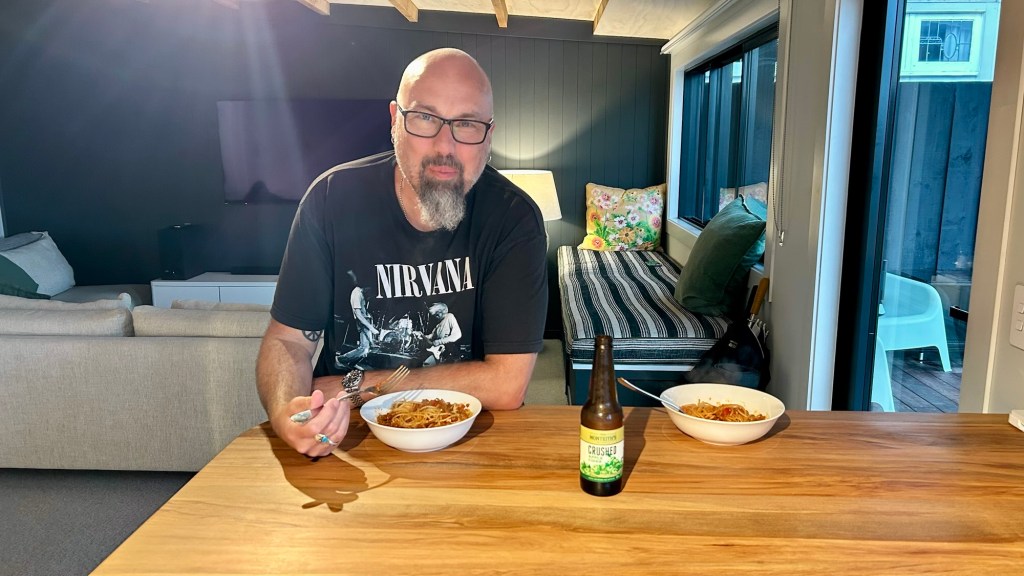
It looked even better than the photos — just a few metres from the beach, where we could hear waves crashing from the living room. The house had a clean, Scandinavian vibe and was perfect for a few days off the road.
A Well-Deserved Break
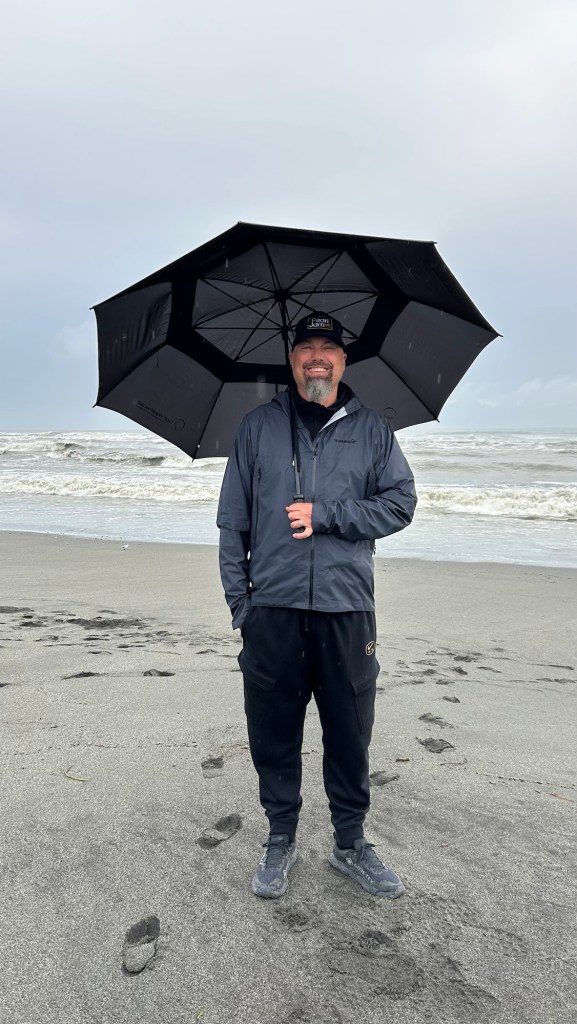
The rain continued the next day, but it didn’t matter. We read books, snacked, cooked dinner, and binged The Jackal on TV. Sometimes, a road trip needs a pause — a chance to rest, recharge, and do absolutely nothing. For us, this was exactly that moment.





 Wremer Travels (yes, we do!)
1 comment ›