Here’s one of the best-known Māori myths explaining the volcanoes of New Zealand’s North Island, especially the central volcanic plateau that we have written about lately.
In a Māori worldview, this story isn’t “myth” in the Western sense of fiction.
It is a truthful account of relationships between atua, whenua, and people — told through story rather than science.
So while it doesn’t create the world, it creates meaning, identity, and understanding of place.
The Battle of the Mountains
I ngā rā o nehe,
in the days long past,
before the world was settled as we know it,
the mountains walked upon the land.
They were tūpuna, living ancestors,
with breath, with voice, with mana.
At the heart of the land stood Pihanga,
cloaked in forest, gentle and beautiful.
Many desired her,
for she carried the promise of life.
Around her gathered the great ones:
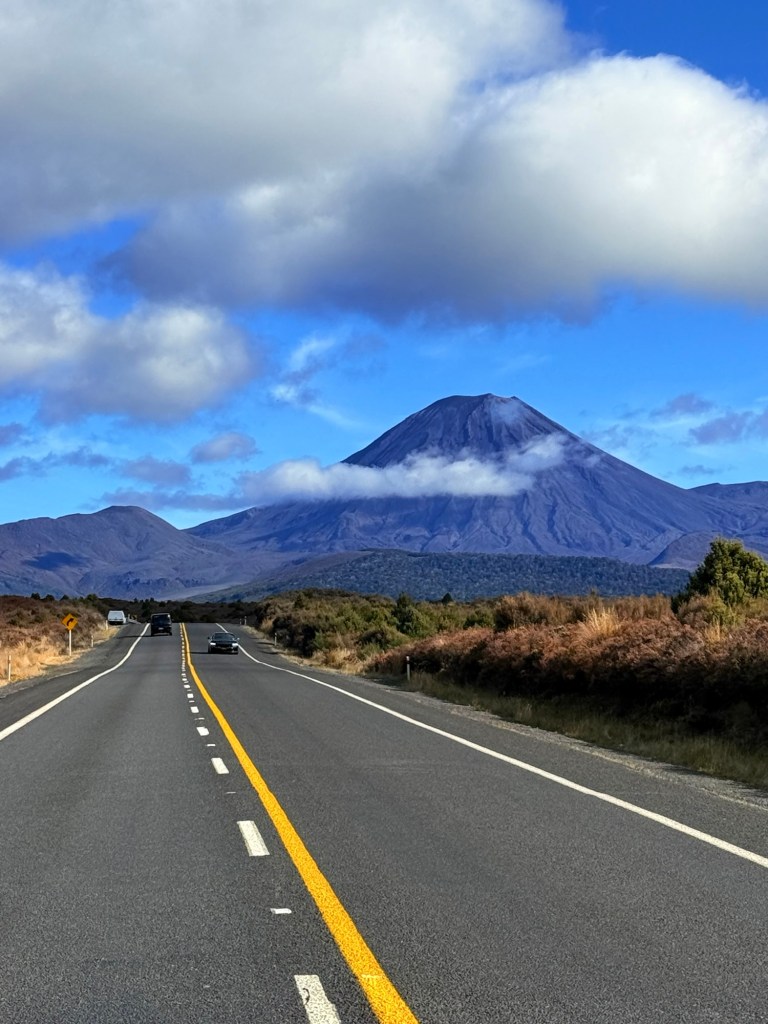
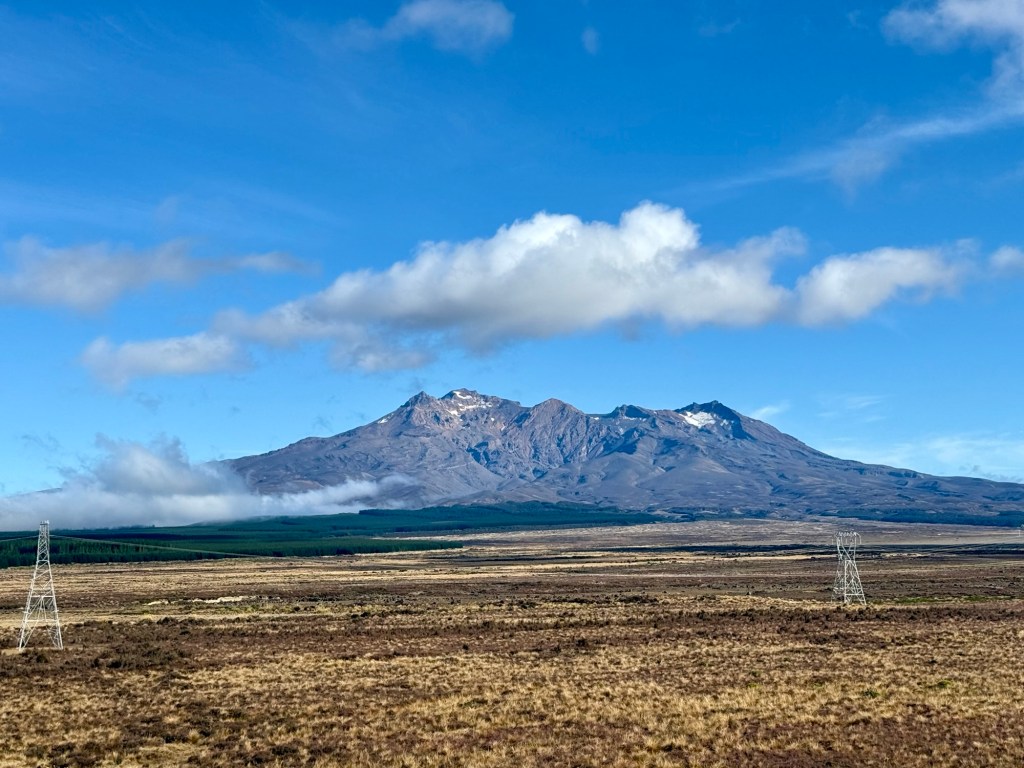
Tongariro, tall and steadfast,
Tauhara, restless and proud,
Putauaki, burning with anger,
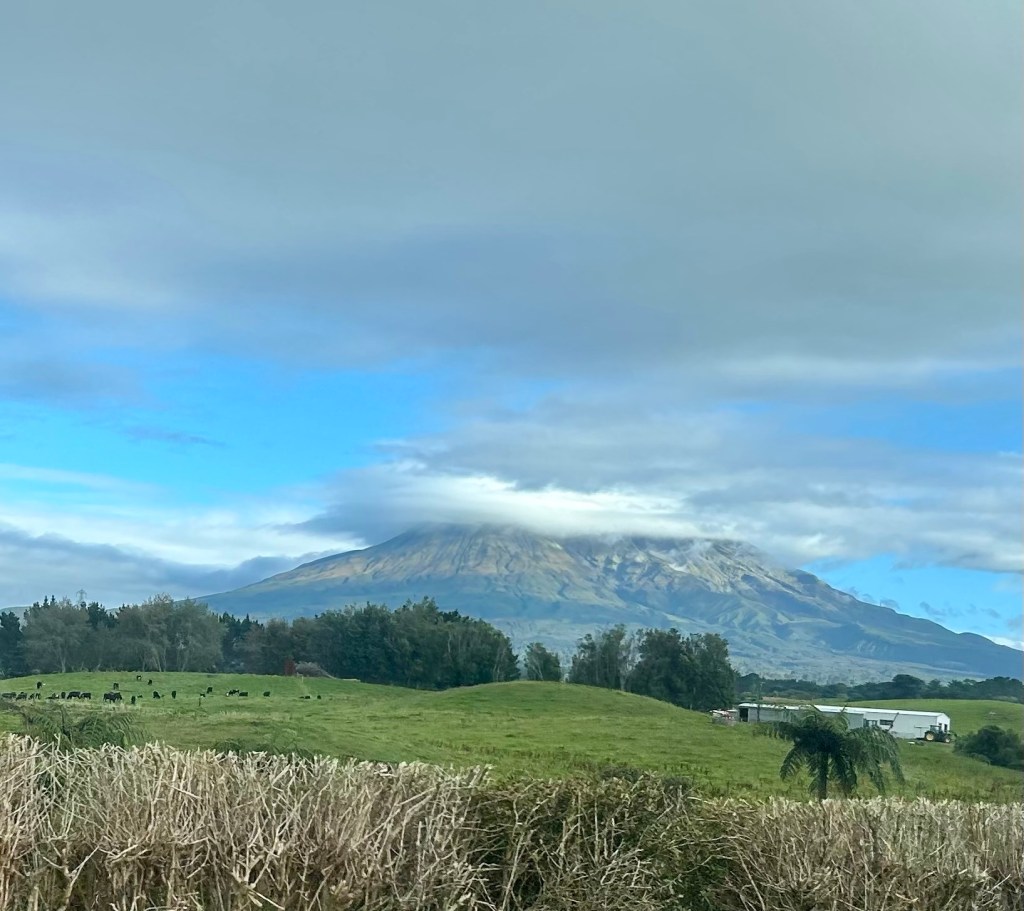
and Taranaki, strong and handsome.
By night they argued.
By night they challenged one another.
The land trembled beneath their feet.
Then came the battle.
Fire burst from the earth.
The ground split open.
The sky filled with ash and thunder.
Mountains struck mountains,
and the pain of the land was heard across the world.
When dawn arrived,
Tongariro still stood beside Pihanga.
His mana was greater,
his strength unbroken.
The others were defeated.
Shamed and grieving,
Taranaki turned his face to the west.
As he fled, his body carved the land,
tearing valleys and river paths behind him.
Thus was formed Te Awa Tupua,
the Whanganui River.
At last he reached the edge of the sea
and there he remains,
alone, watching the sunrise from afar.
The clouds that gather upon him
are his tears for Pihanga,
falling as rain upon the land.
And still today,
Tongariro breathes.
Ruapehu growls.
Ngāuruhoe speaks in fire.
They are not silent,
for they are alive.
Remember this:
the mountains are not stone.
They are whakapapa.
They are whānau.
They are watching.
We acknowledge the mana whenua of the land we travelled through.



 Wremer Travels (yes, we do!)
Leave a comment