Introduction
This was our third—and longest—stay in New Zealand. Five weeks gave us plenty of time to explore, though we still found ourselves chasing the weather, reshuffling plans, and adapting our itinerary as we went.

During our five weeks across both the South and North Islands, we drove 6,500 kilometres (approximately 4,000 miles)—about the distance from New York to Los Angeles, and halfway back again.
From booking tickets to departure, we spent nine months planning. We flew into Christchurch and departed five weeks later from Auckland. Of those five weeks, we spent 12 days on the South Island (read more about that itinerary here) and 25 days on the North Island (full itinerary here).
Accommodation: Flexibility Pays Off
Our average accommodation budget was 240 NZD (1,500 NOK) per night. It was easy to find both cheaper motels and more expensive hotels along the way.
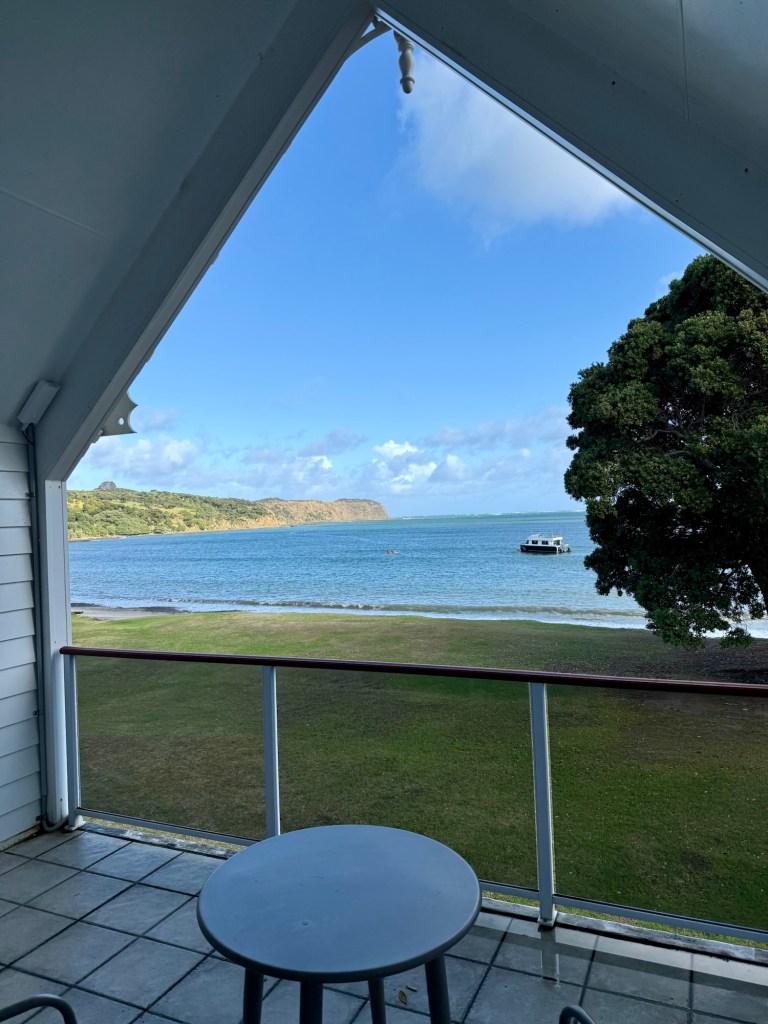
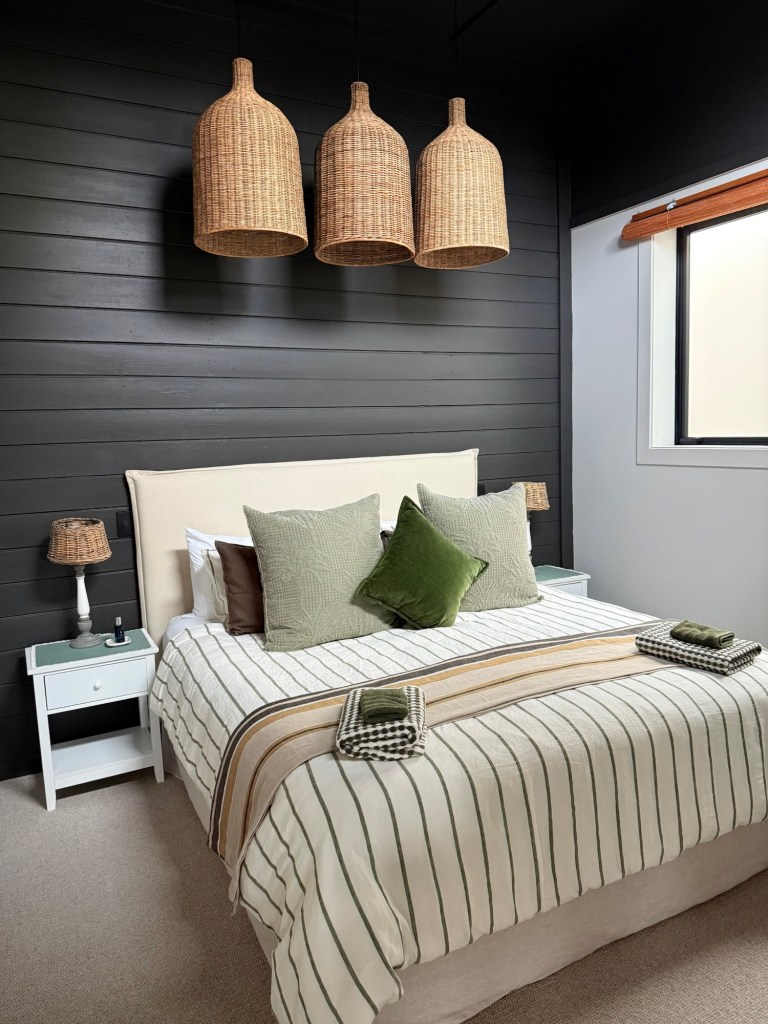
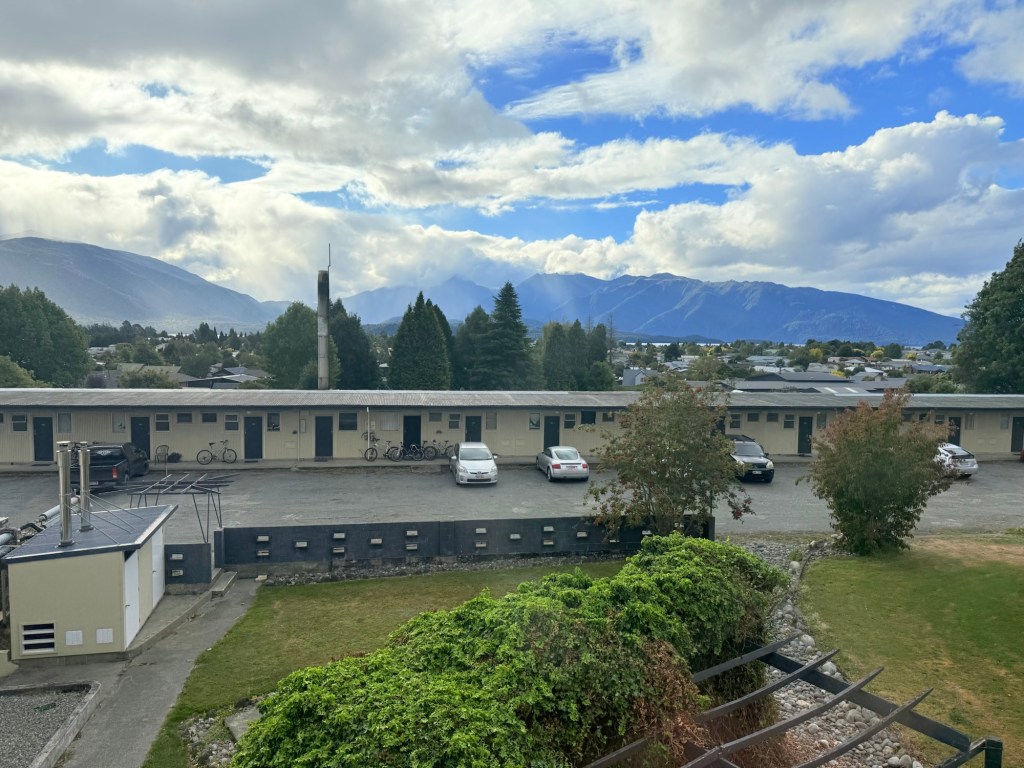
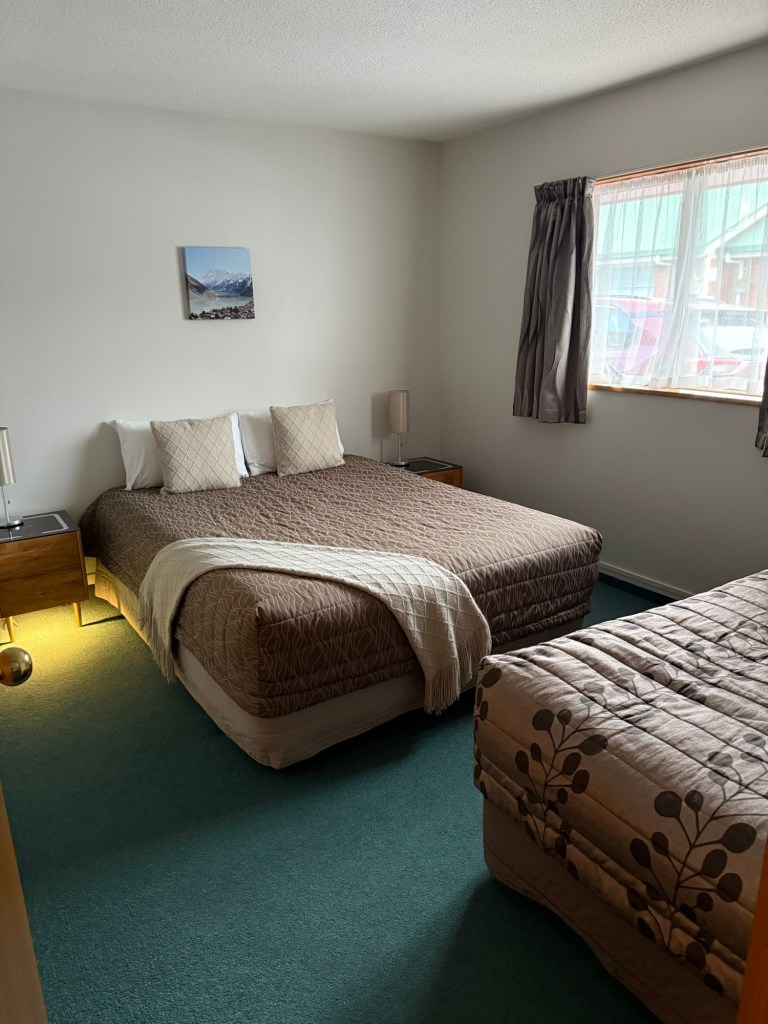
In the end, we came in under budget—even though we splurged on a stay at the five-star Hotel Britomart in Auckland, where we spent nearly three times our nightly average.
We primarily used hotel booking sites to find accommodation in areas we expected to reach the following day, rarely booking far in advance. Sometimes we prioritized price over exact location, as long as it was along our route.
A useful tip: make use of the map and price filter features on booking platforms like Booking.com to find the best options quickly. It is no problem to use more per night, and no problem to use less, we chose our accommodation based on reviews (never below 7 on Booking.com for instance), and on our average per night budget we always slept comfortable in clean safe rooms.
Food: Save Smart, Spend Where It Counts
We budgeted an average of 170 NZD (1,000 NOK) per day for food.
Early on, we bought a cooler and stocked up on essentials like water, bread, juice boxes, energy bars, cookies, Nutella, and bananas. We refilled supplies at supermarkets along the way.


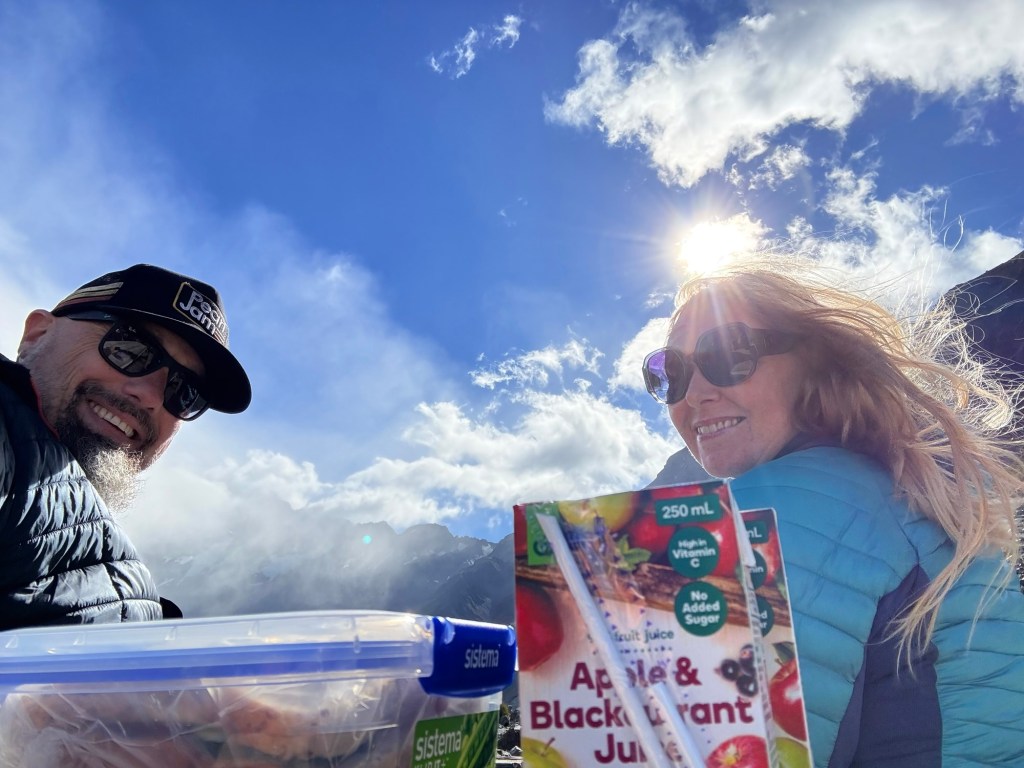
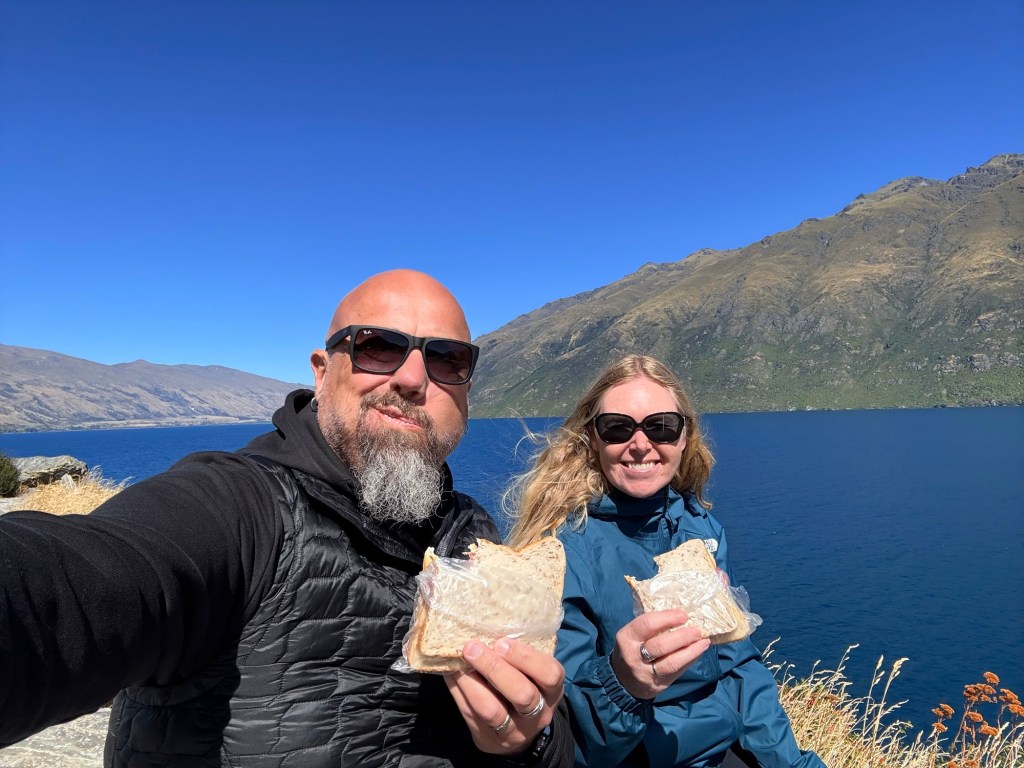
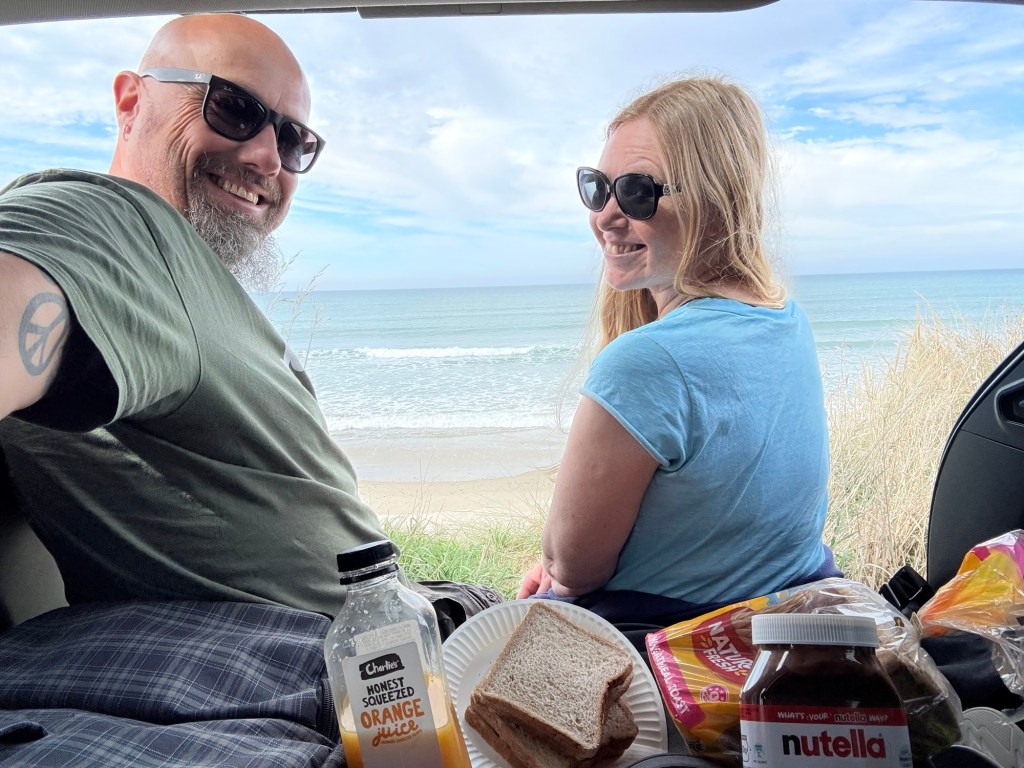
This setup allowed us to prepare our own breakfasts and lunches, saving significantly compared to eating out for every meal. With these savings, we comfortably enjoyed dinners at restaurants most evenings.
If we had eaten all meals out—including drinks—it would have been very difficult to stay within this budget.





Car Hire: Worth the Investment
Car rentals are more expensive than ever, gas even more so with prices surpassing 3 NZD per litre in 2026. We debated between renting a car and hiring a campervan, but ultimately chose a car—both options have their pros and cons.
We rented a premium 2WD SUV from Snap Rentals for 35 days, including premium insurance, at a total cost of 3,772 NZD. Upside was good room for luggage and in the backseats for supplies, downside was a higher gas usage per kilometre.
A key tip: don’t cut corners on insurance. Windshield coverage is essential due to gravel roads, which frequently cause stone chips and cracks.
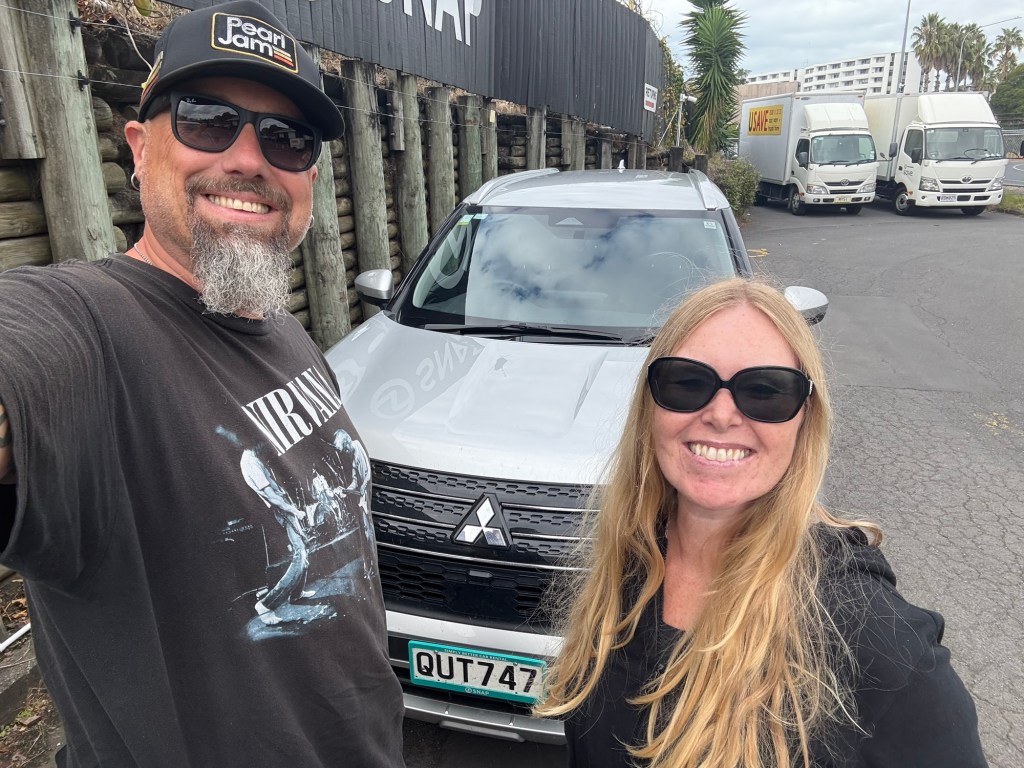
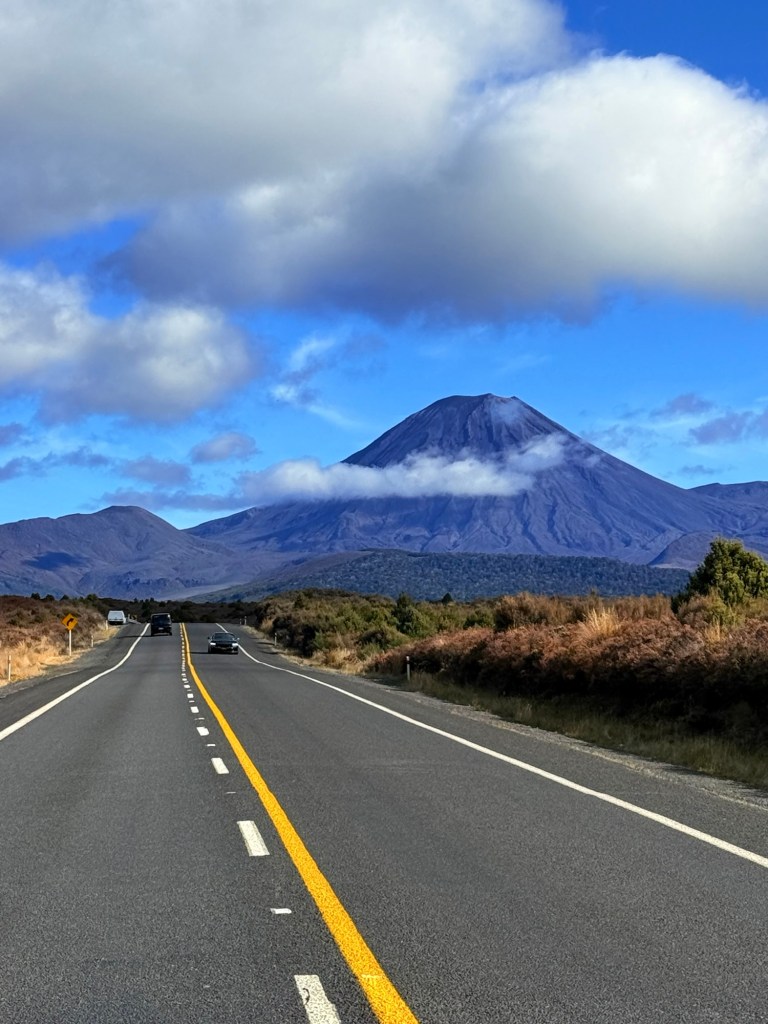

Snap Rentals was especially convenient because they allowed us to take the car between islands on the ferry—something many companies do not permit.
Also, make sure to bring an international driver’s license. New Zealand is strict about this. Our Norwegian licenses were not accepted as valid international documentation, and we had to pay 200 NZD for an online translation before we could pick up the car.
Driving: What to Expect on the Road
Driving in New Zealand is generally straightforward—aside from being on the “wrong” side of the road for us Norwegians.
There are many gravel roads. In fact, the last State Highway to be fully sealed—the Forgotten World Highway (SH43)—was only completed in 2025, and we drove it just weeks after its completion.
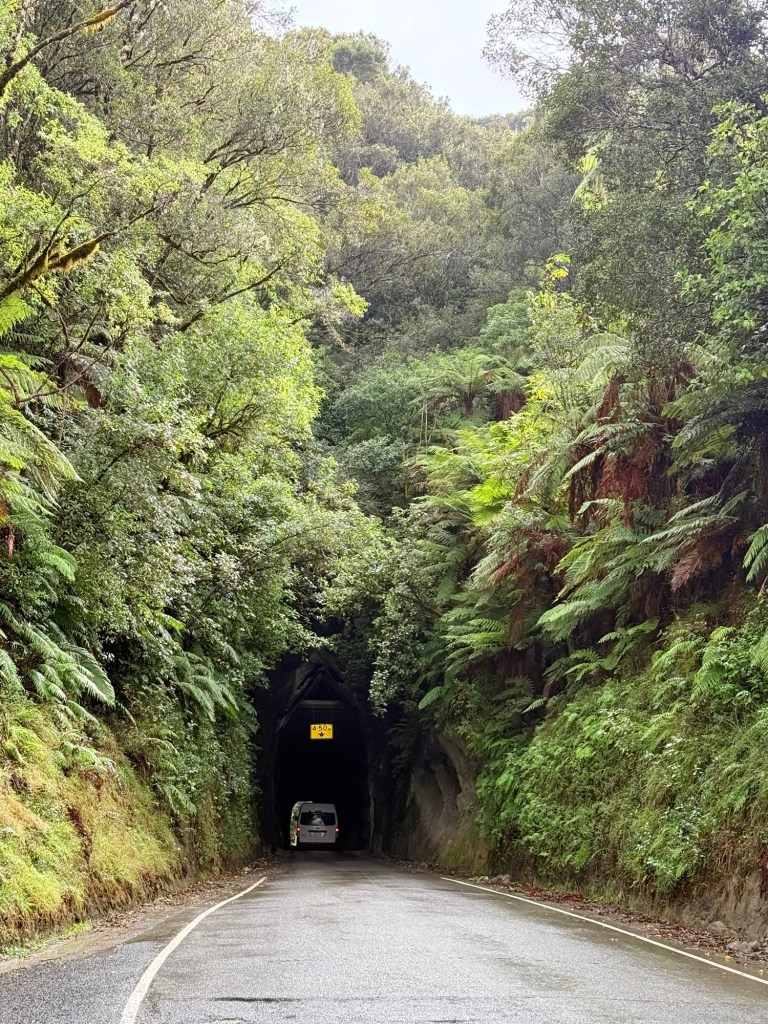
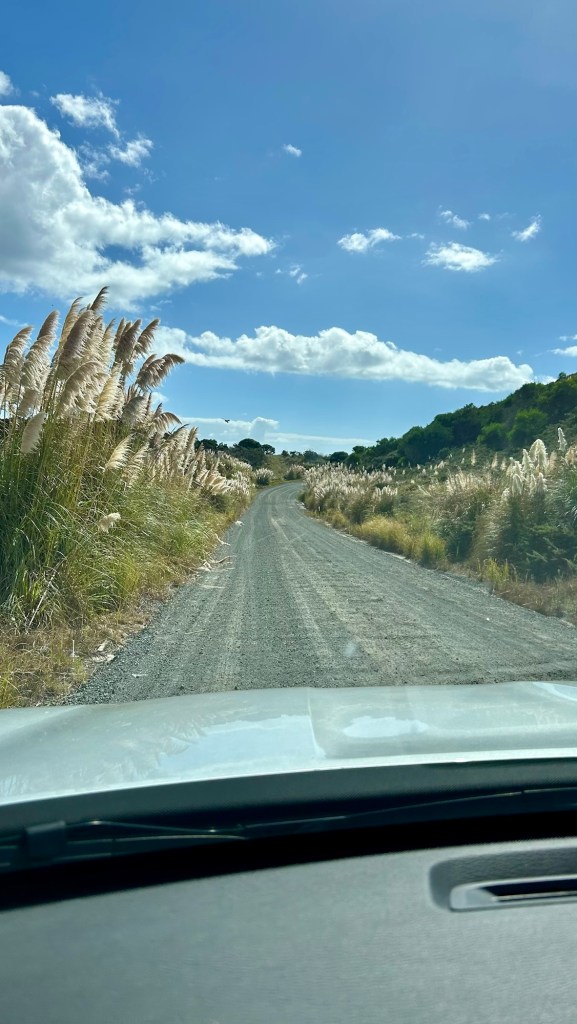
On gravel roads, keep your distance from other vehicles to avoid flying stones damaging your windshield. As one café owner in the Coromandel put it: “locals drive like f#%kwits”—so stay alert.
There are a few toll roads, mainly around Auckland. To avoid rental company fees, pay directly through the official toll road website.
Most rental companies do not allow driving on beaches, so check your agreement carefully.
One thing you’ll notice everywhere: roadworks. After sheep, the most common roadside sight in New Zealand is temporary roadwork bollards. They’re everywhere—especially in summer—so be prepared for frequent stops.
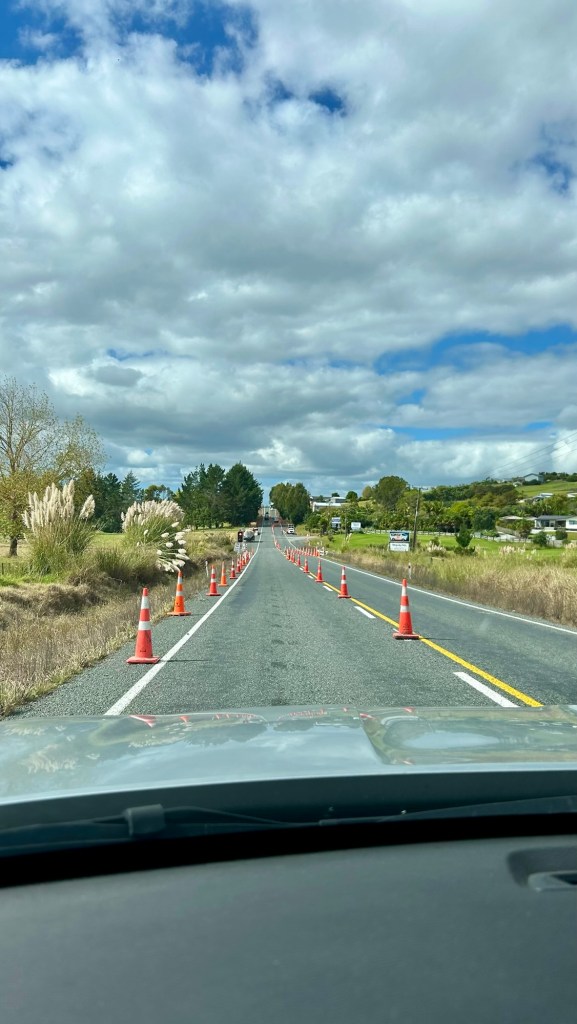
Also, GPS often suggests gravel roads as the fastest route. If you prefer sealed roads, double-check your route settings before heading out.
Watch Out For: Small Things That Matter
Fuel: Always fill up if you’re planning detours—some areas have very few gas stations.
Sandflies: Particularly on the South Island’s West Coast. They bite during the day and are attracted to dark clothing, sweat, and carbon dioxide.
Beach Bugs: At places like Ōhope Beach and other Bay of Plenty beaches, tiny biting insects (often called “Mount Maulers” or sea lice) can leave itchy welts that last for weeks.

Earthquakes: New Zealand is seismically active. While you can’t predict earthquakes, you can prepare—check the official “Get Ready” website for guidance.
Phone & Connectivity: Stay Connected Without Overspending
Getting a New Zealand SIM card in 2025 was very easy—available at most phone operator shops.
Using a foreign SIM card in New Zealand is extremely expensive, so switching to a local SIM or eSIM is highly recommended.
We purchased a 30GB data plan, which was more than enough for the entire trip—even with regular social media use. We also connected to Wi-Fi whenever possible to back up photos and minimize data usage.
Planning: Structure vs Flexibility
Before the trip, we spent a lot of time researching destinations—both new places and old favorites. We used Google Maps extensively, tagging locations, viewpoints, cafés, and restaurants. By the time we arrived, New Zealand was covered in blue pins.
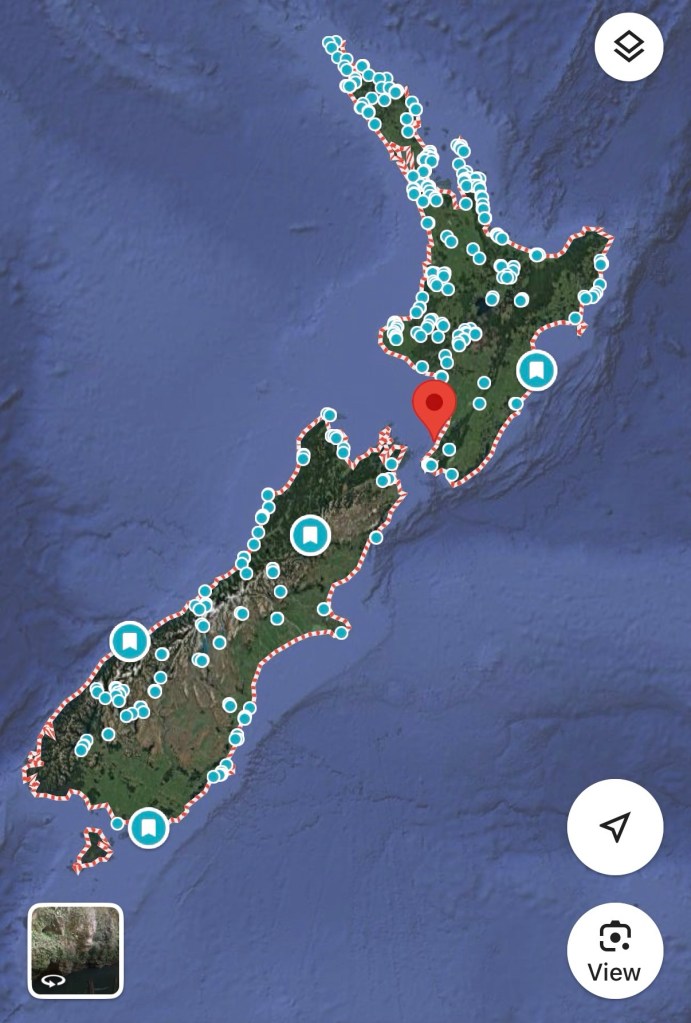
We had a rough plan for both islands but had to adjust frequently due to weather.
In hindsight (always 20/20), we would have spent a few extra days on the South Island and slightly less time on the North Island. However, this only became clear toward the end of the trip—and there’s no real way to predict that in advance.
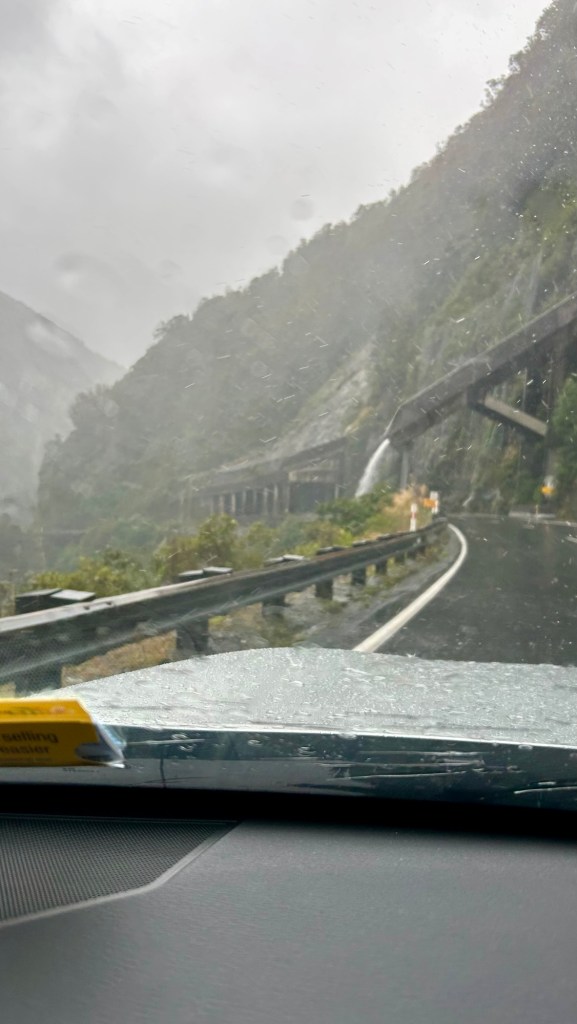
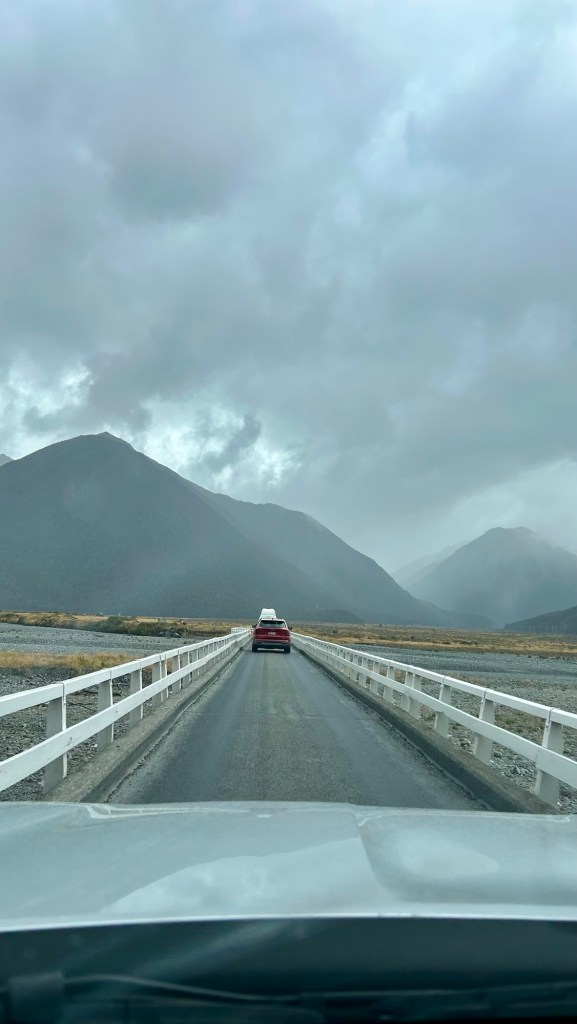
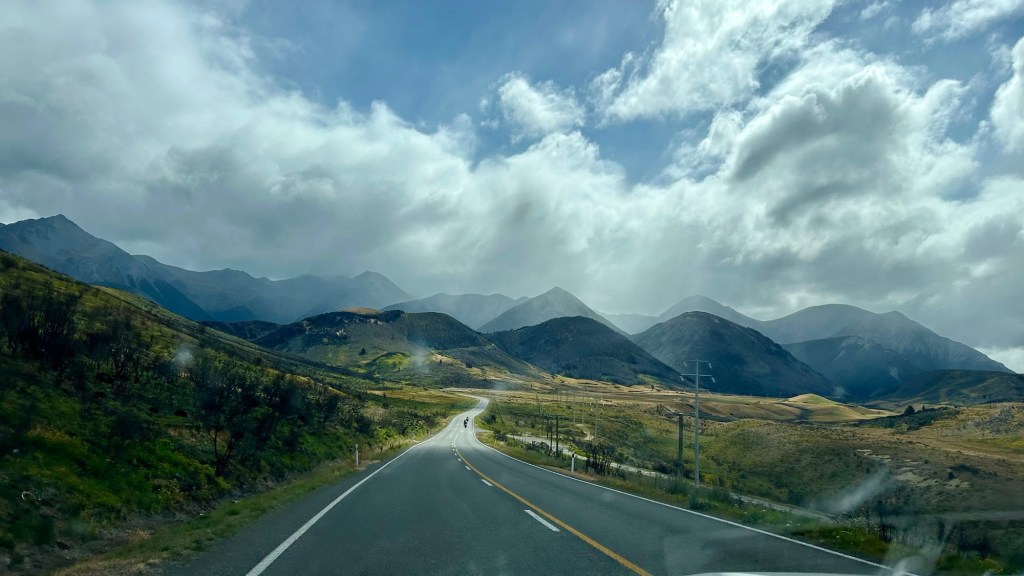
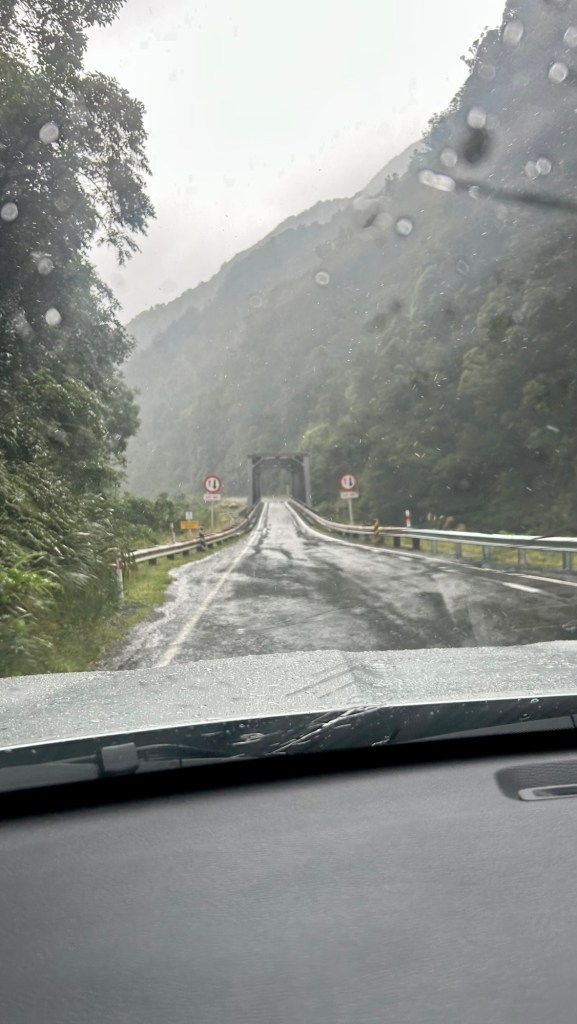
The key takeaway: keep your plans flexible. That adaptability allowed us to pivot and catch a perfect weather window in Milford Sound—something we would have missed with a rigid itinerary.
Best Travel Hacks
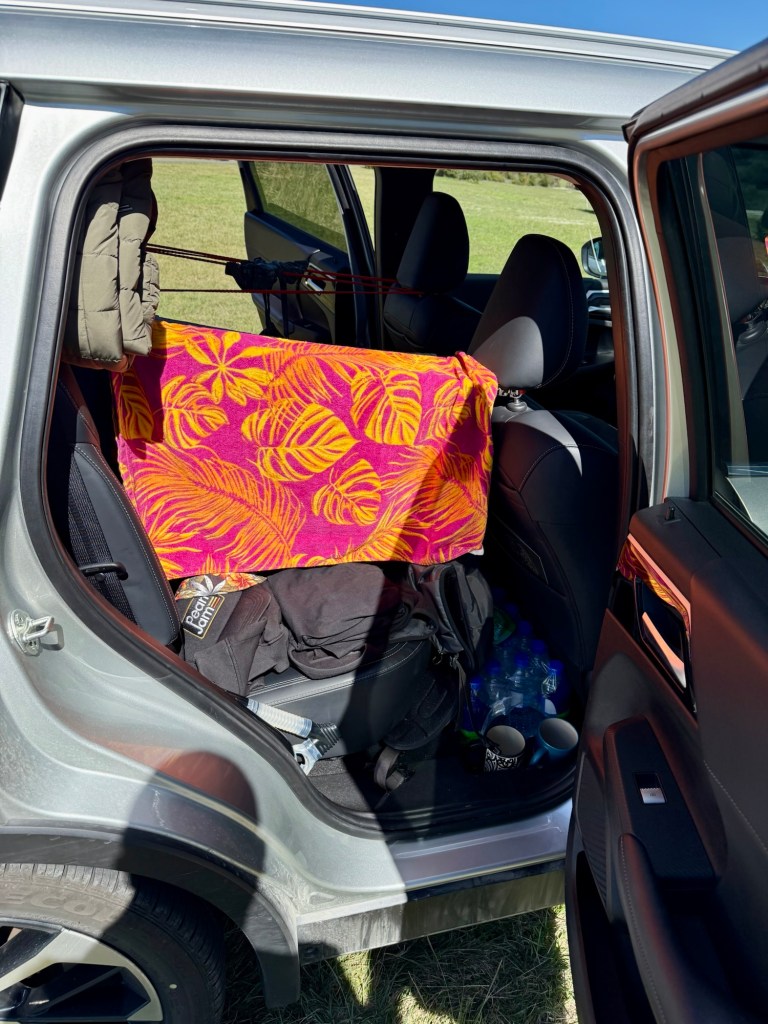
1. Clothes line in the backseat. Brilliant little hack to hang swimwear, towels and sweaty hike gear to dry. Simple clothes line strung between the neckrests of the seats.
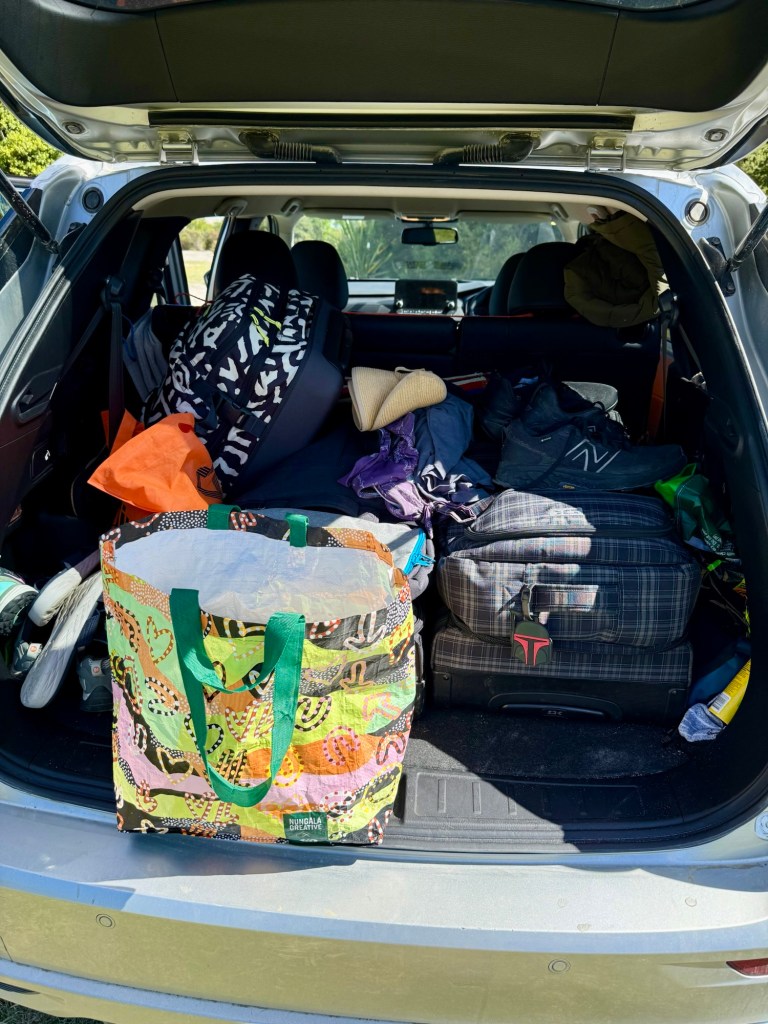
2. Buying water bulk from supermarkets. The cost of 24 bottles of water in a supermarket was the same as 2 bottles in a hotel. Approx 12-16 dollars for 24 bottles 1/2 litre water.
3. Having a cooler with food, snacks etc in the car. Very money saving to make breakfast in motel before leaving, and also make packed lunch for hikes or just opening the trunk to have an alfresco meal.
4. Use google maps and pin locations in advance, easy to find and calculate distances before setting off.
5. Be flexible, the best laid plans can be changed, rerouted due to bad weather or simply not accessible due to closed roads. Take it easy, New Zealand has plenty of alternatives to offer on short notice.
6. Make a budget before you go. We had a budget specified for hotel per day, food per day, activities bulk amount, petrol and sundries account. We kept an eye on accomodation and food, tallying up every few days to know we were on budget.
Happy Travels!
After 3 times criss crossing New Zealand, we still have unvisited places and sights. Do not think that you can see it all in a few weeks. We would say minimum for a good impression of South and North Island is 3 weeks. Highlights are easy to find but it is sometimes the small and unexpected experiences that makes the deepest impression. Good luck and happy travels!

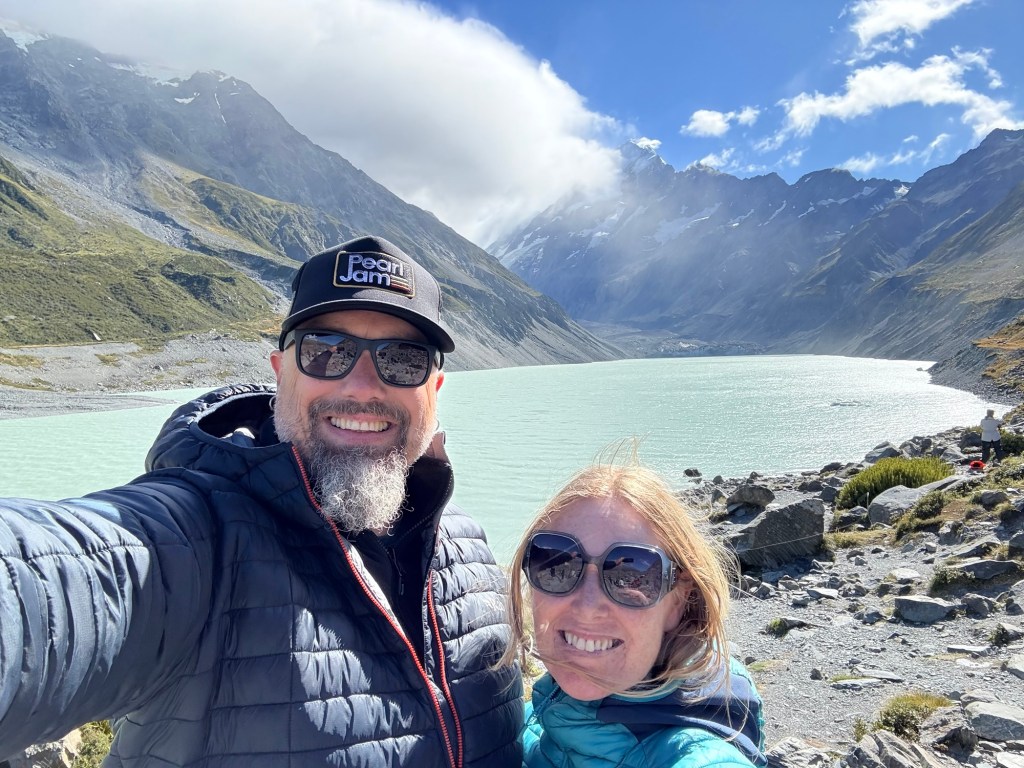








 Wremer Travels (yes, we do!)
Leave a comment